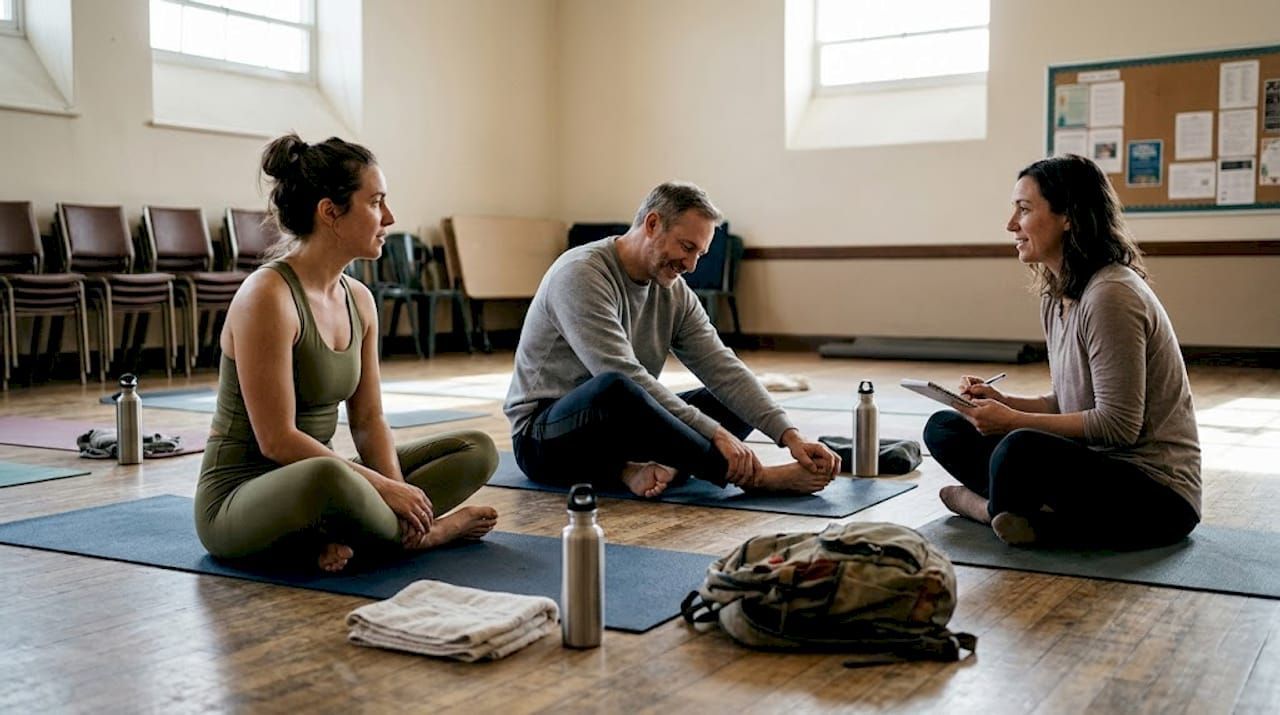
Alternative Healing Methods Guide for Chronic Pain Relief
Alternative Healing Methods Guide for Chronic Pain Relief
Living with chronic pain in Northern Nevada can feel like fighting an invisible battle that affects far more than just your body. For residents of Carson City and Reno, pain can disrupt everything from your favorite outdoor activities to your mood and relationships. The good news is, finding real relief starts with a person-centered approach to healing that considers your unique needs across mind, body, and lifestyle. This guide shows how tailored, non-invasive therapies can help you move beyond temporary fixes and toward genuine wellness.
Table of Contents
Quick Summary
| Important Insight | Explanation |
|---|---|
| 1. Assess personal pain patterns | Track your pain intensity, triggers, and response to activities for a full week to understand your condition better. |
| 2. Select treatments tailored to needs | Choose healing methods that align with your specific goals, lifestyle, and pain characteristics rather than generic options. |
| 3. Stay engaged in your healing process | Actively participate by tracking your responses and sharing progress with your practitioner to tailor treatments effectively. |
| 4. Maintain open communication with practitioners | Regularly discuss your observations and experiences to adjust therapies based on your evolving needs and responses. |
| 5. Monitor and adapt your healing strategy | Use simple tools to track pain levels and functions, allowing for informed adjustments to your treatment approach over time. |
Step 1: Assess Personal Wellness Needs
Before exploring alternative healing methods, you need a clear picture of where you stand right now. This step is about honest self-reflection and understanding exactly what chronic pain means for your life, not just physically but emotionally and mentally as well. When you assess your wellness needs properly, you set yourself up to find treatments that actually work for your situation instead of chasing general solutions that might miss what matters most to you.
Start by identifying your pain patterns. Where does it hurt? Is it constant or does it come and go throughout the day? Notice when it feels worse or better. For someone in Carson City working through Nevada’s intense sun or adjusting to elevation changes, pain might spike during certain seasons or activities. Write down these patterns for at least a week. Next, think about how this pain affects your daily life. Can you walk comfortably? Sleep through the night? Enjoy time with family without wincing? The impact goes beyond the physical. Research shows that person-centered care approaches in chronic pain management must consider emotional, social, and psychological factors to create treatments that address the full picture of how chronic pain disrupts your wellness. That means you need to assess not just your symptoms but your overall quality of life.
Document your current wellness status by tracking several dimensions. Physical factors include pain intensity on a scale of 1 to 10, mobility limitations, and energy levels throughout your day. Emotional factors involve how pain affects your mood, anxiety levels, and stress. Social factors examine whether pain keeps you from activities, hobbies, or time with people who matter to you. Psychological factors look at your mindset about pain and whether you feel hopeful about improvement. Your existing treatment history matters too. What have you already tried? Did anything help, even temporarily? Understanding integrating clinical expertise with best available research and personal patient needs creates better outcomes because your healing plan builds on what you already know about your body.
Here’s a quick reference for wellness dimensions to track during chronic pain assessment:
| Dimension | What to Track | Why It Matters |
|---|---|---|
| Physical | Pain scale, mobility | Identifies daily limitations |
| Emotional | Mood, anxiety, stress | Reveals mental health impact |
| Social | Activity participation | Shows connections affected |
| Psychological | Hope, outlook | Guides treatment engagement |
Finally, clarify your priorities and goals. Do you want to reduce pain intensity, improve sleep quality, increase your ability to move, or boost your overall mood? Someone in Reno might prioritize being able to hike again, while someone else focuses on returning to work without discomfort. These personal goals guide which alternative healing methods make sense for you. When you combine a holistic approach to health with your specific needs assessment, you create a foundation for meaningful progress.
Pro tip: Keep a simple pain and wellness journal for two weeks before exploring treatments. Track pain intensity, what triggered it, what helped, your sleep quality, and your mood. This baseline data becomes invaluable when evaluating whether a healing method is actually working for you or just feels good in the moment.
Step 2: Select Appropriate Healing Modalities
Now that you understand your specific pain patterns and wellness priorities, it’s time to match them with healing methods that actually fit your needs. Selecting the right modalities means moving past one-size-fits-all solutions and finding therapies that align with your goals, lifestyle, and what your body responds to best. This step transforms your assessment into action.
Start by understanding the range of options available to you. Multimodal non-invasive and non-pharmacological therapies for chronic pain include physical approaches like massage and movement therapy, psychological strategies like cognitive-behavioral techniques, and complementary therapies such as acupuncture and energy-based treatments. The evidence is clear that individualized therapy selection optimizes both effectiveness and safety. If you prioritized mobility in your assessment, you might explore physical modalities. If stress and emotional patterns fuel your pain, psychological approaches combined with physical activity create synergistic benefits. For residents in Carson City and Reno, this might mean combining indoor therapies for winter months with movement-based approaches when you can get outside. The key is matching therapies to what your assessment revealed about your unique situation.
Consider the evidence behind different modalities for your specific condition. Research supports cognitive-behavioral therapy, exercise, acupuncture, and complementary therapies as effective and widely accepted options for chronic pain relief. Some people respond remarkably well to red light therapy for chronic pain relief, while others find their breakthrough through hands-on work or mind-body integration. Your age, overall health, and lifestyle constraints matter. Someone managing pain while maintaining a demanding work schedule needs something different than someone with flexible time for daily practices. Look beyond theory and think practically about what you can actually do consistently. A therapy that requires three visits weekly might not work if you’re juggling family and career responsibilities.
Evaluate modalities based on three criteria: alignment with your goals, compatibility with your lifestyle, and evidence of effectiveness for your type of pain. Create a simple list of potential therapies that appeal to you, then research each one. Does it address your primary concern? Can you realistically commit to the frequency it requires? What do people with similar pain patterns report about results? Talk to practitioners who can assess your individual situation rather than relying on marketing claims. Many providers offer initial consultations where they can recommend specific approaches based on your wellness assessment. Start with one or two modalities rather than trying everything at once. This approach lets you clearly see what works and what doesn’t without becoming overwhelmed.
Compare popular chronic pain modalities by evidence, commitment, and fit:
| Modality | Evidence Strength | Time Commitment | Best For |
|---|---|---|---|
| Massage Therapy | Moderate | Weekly sessions | Mobility, stress |
| Cognitive Behavioral | Strong | Weekly + home work | Emotional patterns, mindset |
| Acupuncture | Good | Bi-weekly sessions | Specific pain, relaxation |
| Red Light Therapy | Emerging | 2-3 times/week | Cellular healing, flexibility |
| Movement Therapy | Strong | Daily exercises | Function, energy improvement |
Pro tip: Request a brief consultation with a practitioner before committing to any therapy. Describe your pain patterns and goals from your assessment, and ask specifically how this modality addresses your situation. A good practitioner will be honest about whether their approach suits you or if something else might work better, which saves you time and money while building genuine momentum toward relief.
Step 3: Prepare for Non-Invasive Therapies
You’ve assessed your needs and selected modalities that align with your goals. Now comes preparation, which is where many people stumble by jumping in without understanding what to expect. Proper preparation transforms you from a passive recipient into an informed, engaged participant who gets better results from your chosen therapies.
Start by understanding how your selected therapies actually work. Understanding treatment mechanisms and setting realistic patient expectations creates the foundation for success. If you chose red light therapy, you should know that it works through cellular processes rather than providing immediate dramatic relief. If you selected psychological approaches, understand that they rewire pain processing patterns over time. This knowledge prevents disappointment when results don’t match unrealistic timelines. Each modality has specific mechanisms, and knowing them helps you recognize positive changes you might otherwise miss. For example, some therapies work by reducing central sensitization, which means your nervous system gradually stops overreacting to pain signals. That’s different from numbing pain, which is why you might feel subtle shifts before experiencing obvious relief. When you grasp these differences, you stay committed through the critical early phases when progress feels subtle but real changes are happening.
Next, gather practical information about the specific therapies you’ve chosen. Ask your practitioner detailed questions about what to expect during sessions, how your body might respond afterward, and what the typical timeline looks like for your condition. Adequate patient information about procedures, potential benefits, and limitations enhances both your adherence to treatment and overall effectiveness. Should you eat before an appointment or after? Will you feel soreness afterward? How many sessions typically pass before you notice changes? Can you drive after treatment? These practical details matter more than you might think. Someone preparing for red light therapy in Carson City needs different preparation than someone trying a hands-on modality. Get specifics about clothing, positioning, duration, and what sensations are normal versus concerning. Many people abandon therapies because they experienced unexpected sensations during sessions and thought something went wrong, when actually their body was responding normally.
Prepare your body and mind for treatment success. Create consistency in your schedule by blocking out regular appointment times and protecting them like you would any important commitment. Your nervous system responds better to predictable patterns. Before your first session, get clear on your baseline. How does your pain feel today? What’s your energy level? Your mood? This becomes your reference point for measuring progress. Some improvements take weeks to notice, so having notes prevents you from forgetting how bad things were. Prepare mentally by releasing expectations of perfection. Healing rarely follows a straight line. You might have great sessions followed by days when pain flares, and that’s normal as your body adjusts. Finally, communicate openly with your practitioner about any health conditions, medications, or concerns. The more they know, the better they can tailor treatment specifically for you.
Pro tip: Keep a simple session log noting the date, how you felt before and after, any changes you noticed, and any questions that came up. This creates accountability, helps you recognize subtle improvements you might otherwise miss, and gives your practitioner valuable feedback about what’s working so they can adjust your treatment plan accordingly.

Step 4: Apply Personalized Healing Treatments
You’re now ready to actually begin your healing journey with a clear understanding of your needs, the right modalities selected, and proper preparation complete. This step is about applying those treatments in a way that honors your unique body and circumstances. Real healing happens when treatments adapt to your specific situation rather than following a one-size-fits-all script.
Start your treatment journey by establishing a baseline and tracking what happens. On your first day, note your current pain level, energy, mood, and any specific symptoms you want to improve. As you begin sessions, pay attention to how you respond. Some people feel immediate relief, while others notice subtle shifts like slightly better sleep or reduced tension in specific areas. A process-based approach focusing on individual mechanisms and context-sensitive ongoing assessment means you’re not just passively receiving treatment but actively observing and communicating what’s happening in your body. This feedback loop is crucial. After your second or third session, talk with your practitioner about your experience. What sensations did you notice? Did anything feel different afterward? Are there changes in how your pain behaves? These conversations allow your provider to adjust the treatment protocol specifically for you. Someone in Reno dealing with altitude-related tension might need different frequency or intensity than someone experiencing pain from desk work. Your feedback makes that personalization possible.
Apply complementary practices that amplify your treatments. Combining physical, psychological, and complementary methods based on patient-specific pain profiles optimizes treatment effectiveness. If you’re receiving hands-on therapy, gentle movement between sessions helps integrate those changes. If you chose psychological approaches, practicing techniques at home reinforces what you learn in sessions. Think of your treatment as a three-part system. First, the professional therapy provides targeted intervention. Second, your home practices build on that work. Third, lifestyle adjustments like better sleep, reduced stress, or increased movement support the entire process. This integrated approach works because your body responds not to isolated interventions but to consistent, coordinated effort across multiple areas. Someone beginning comprehensive wellness transformations through whole-body health approaches often discovers that one small change supports another. Better sleep improves pain tolerance. Reduced stress lowers inflammation. Increased movement builds confidence. Each element strengthens the others.
Monitor your progress and adjust as needed. Keep documenting your experience in your session log. After four to six weeks, look back at your baseline notes. Are you sleeping better? Moving more easily? Feeling calmer? Progress in chronic pain is often subtle and gradual, which is why tracking matters. Your nervous system doesn’t usually flip a switch from pain to no pain. Instead, you might notice the good days outnumber the bad days. Pain might shift location or change character. Your energy might improve before pain intensity drops. These are all signs that treatment is working, even if they seem small. If you’re not seeing any positive changes after six weeks, discuss adjustments with your practitioner. Maybe the frequency needs to increase, the technique needs modification, or you need to add a complementary approach. Precision medicine principles apply here. Your treatment plan should evolve as your body responds and your needs shift.
Pro tip: Use your session log to identify patterns, not just track improvements. Notice what you did on days when you felt better or worse. Did you sleep well the night before? Move more? Eat differently? Manage stress effectively? These patterns reveal which lifestyle factors amplify your treatment benefits, giving you more control over your own healing process.
Step 5: Monitor Progress and Adjust Approach
You’re invested in your healing journey now, but progress isn’t something that happens to you passively. Monitoring your response to treatments and adjusting your approach based on what you learn creates the conditions for real, lasting improvement. This step transforms you from following a static plan into an active manager of your own health.
Establish a simple monitoring system that captures what matters. You don’t need complicated medical tools or extensive journaling. Track three key areas each week: pain levels, function, and quality of life. On a scale of 1 to 10, where does your pain typically sit? Can you do things you couldn’t do before, like walking longer distances or sitting comfortably at work? How’s your sleep, your mood, your ability to enjoy activities you care about? Assessing pain relief, functional improvement, and quality of life over time using validated tools and patient feedback provides the data you and your practitioner need to make intelligent adjustments. When you track consistently, patterns emerge. Maybe your pain improves on weeks when you sleep well and stay consistent with appointments. Maybe it spikes when stress increases or you miss sessions. These patterns point toward what actually works for your body, not what theory suggests should work. Someone in Carson City might notice their pain responds differently during seasons of high heat or intense work projects. Someone in Reno might track how altitude or seasonal changes affect their response to treatment. Your specific context matters, and monitoring captures it.
Communicate your findings regularly with your practitioner and be honest about what’s working and what isn’t. Supported self-management models emphasizing shared decision making and patient empowerment help optimize chronic pain control and improve patient satisfaction. This means you’re not waiting passively for a provider to notice something isn’t working. You’re actively sharing observations that help inform adjustments. After three to four weeks, bring your notes to an appointment and review them together. If you’re seeing improvement, discuss what to do next. Do you continue as you are, increase frequency, or add something complementary? If you’re not seeing progress, explore why. Is the frequency insufficient? Does your body need a different approach? Are lifestyle factors getting in the way? These conversations are collaborative. Your practitioner brings clinical expertise and knowledge about treatment options. You bring detailed knowledge about your body, your constraints, and what feels sustainable for you long-term. Together, you make better decisions than either of you could alone.
Adjust your approach based on data, not frustration or hope. If something isn’t working after six to eight weeks of consistent effort, change it. This doesn’t mean your chosen modality is wrong overall, just that you might need a different frequency, technique variation, or complementary addition. Someone responding well to one therapy might benefit from adding another. Someone doing great might reduce frequency to maintain gains. Your plan should evolve as your situation changes. Got a new job with different stress levels? Your needs shift. Approaching a season when pain typically worsens? Adjust proactively. Experienced a breakthrough with pain reduction? Now you can focus on rebuilding function or addressing secondary issues. Static plans don’t work for dynamic lives. Flexibility, guided by good data and honest conversation with your provider, creates sustainable progress.
Pro tip: Use a simple spreadsheet or app to track your numbers weekly instead of trying to remember patterns. Seeing three months of data in front of you reveals trends you’d never catch from memory alone, and you can bring this visual record to appointments to have concrete conversations about what’s working and what needs adjustment.
Find Lasting Relief with Personalized Alternative Healing at Agapé Healing & Wellness
Chronic pain disrupts every part of life from physical movement to emotional well-being. This guide highlights how personalized assessment and matched non-invasive therapies create real progress. If you have struggled with inconsistent results or treatments that overlook your unique pain patterns and lifestyle, it is time to try a holistic approach that focuses on root causes and full-body healing. At Agapé Healing & Wellness in Carson City, Nevada, we specialize in tailored solutions combining innovative technologies like Red Light Therapy and detox foot baths with wellness coaching on diet and exercise. These therapies support cellular repair and reduce inflammation helping you move toward less pain and more vitality.
Start your journey today by taking control with treatments designed specifically for you. Explore how advanced healing methods can transform your pain management and quality of life by visiting Agapé Healing & Wellness. Learn more about our comprehensive modalities and find out which approach fits your pain patterns and goals best. Don’t wait for relief to find you. Act now to experience personalized, gentle therapies that support lasting wellness.
Frequently Asked Questions
What are some alternative healing methods for chronic pain relief?
Alternative healing methods include therapies such as massage, acupuncture, cognitive-behavioral therapy, and movement therapy. Explore these options by evaluating how each candidate aligns with your specific pain patterns and wellness goals.
How can I assess my personal wellness needs before starting alternative healing?
Begin by tracking your pain levels, mobility, and emotional well-being for at least a week. Document these factors to create a comprehensive picture of your situation, which will guide you in selecting the most suitable treatments.
What should I expect during my first session of an alternative healing therapy?
During your first session, expect the practitioner to assess your condition and outline what the treatment entails. Prepare by discussing your goals and concerns openly, so you can understand what sensations are normal and how the process will work in your specific case.
How do I monitor progress and know if an alternative therapy is effective?
Track your pain levels, functionality, and overall quality of life every week after starting therapy. Use a simple log to note changes, aiming for measurable improvements within four to six weeks, which will help guide any necessary adjustments to your treatment plan.
Can I combine different alternative healing methods for better chronic pain relief?
Yes, combining various methods such as physical therapy and cognitive-behavioral strategies can enhance overall effectiveness. Assess how each therapy works for you and create a routine that incorporates multiple approaches for more sustainable relief.
Recommended
- Red Light Therapy Guide for Chronic Pain Relief
- Comprehensive Wellness: Transforming Whole-Body Health
- Foot Therapy & Pain Relief | Effective Treatments for Foot Pain
- Holistic Wellness Blog | Agapé Healing & Wellness
- Affordable Medical Treatments and Musculoskeletal Pain Treatments | Panamedico
- Osteoarthritis: Knee Pain, Radiating Symptoms & Smart Relief - Dietium
- 7 Essential Nutritional Supplements for Recovery Success