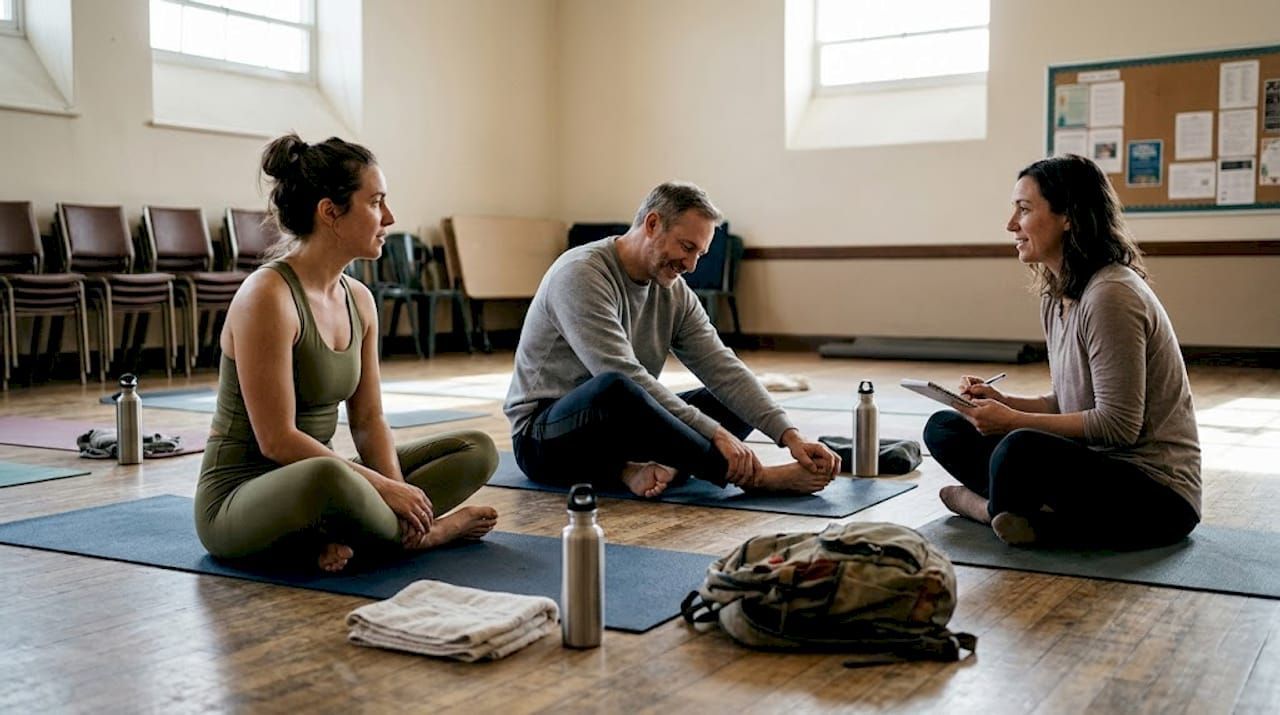
Wellness Coaching Process for Holistic Health Success
Wellness Coaching Process for Holistic Health Success
Chronic pain can hold back even the most motivated people in Carson City from living fully and feeling truly energized. Assessing your current health and lifestyle forms the foundation for lasting transformation, because understanding your patterns around nutrition, sleep, and daily habits is key to designing an effective plan. With a holistic, personalized approach and advanced alternative therapies, wellness coaching empowers you to address root causes and build sustainable vitality—no invasive treatments required.

Table of Contents
Quick Summary
| Major Insight | Description |
|---|---|
| 1. Assess your current health factors | Evaluate your diet, activity, sleep, and substance use to understand how they influence your wellness. |
| 2. Set specific wellness goals | Transform vague aspirations into detailed, measurable objectives to guide your path to better health. |
| 3. Create a personalized wellness plan | Develop a unique plan that addresses your specific health challenges, preferences, and life circumstances. |
| 4. Implement lifestyle changes consistently | Focus on manageable changes that fit your life to achieve lasting improvement in wellness. |
| 5. Regularly track and adjust your progress | Monitor your achievements and be willing to modify your strategies based on what works and what doesn’t. |
Step 1: Assess Current Health and Lifestyle
Before you can transform your health, you need to know exactly where you stand right now. This step involves taking an honest inventory of your current habits, physical state, and overall wellness picture. Understanding what’s working and what’s not gives your wellness coach the foundation to create a truly personalized plan tailored to your specific needs and goals.
Start by examining the major lifestyle factors that directly impact your health outcomes. Lifestyle factors like diet, physical activity, and sleep patterns significantly influence your risk for chronic diseases and overall vitality. Look at what you actually eat each day, not just what you think you eat. Track your typical meals for a few days, including portion sizes and how often you grab quick fixes instead of balanced options. Next, honestly assess your movement. How many days per week do you exercise, and for how long? Be specific about the type of activity, whether that’s walking, strength training, or stretching. Your sleep matters enormously too. Are you getting seven to nine hours consistently, or are you cutting yourself short most nights? Don’t skip the harder conversations either. How much alcohol do you consume weekly? Do you use tobacco or nicotine products? How do you handle stress, and what does a typical stressful day look like for your body and mind?
Beyond daily habits, gather some baseline measurements. Take your current weight and note any areas where you experience pain, stiffness, or reduced mobility. Assess your energy levels throughout the day. Do you crash after lunch? Feel energized only after coffee? Notice your mental health patterns too. Are you experiencing anxiety, depression, brain fog, or difficulty concentrating? These observations help your wellness coach understand how different systems in your body are interconnected and where interventions can create the biggest impact. Many people discover that their chronic pain, fatigue, or digestive issues trace back to interconnected lifestyle patterns they hadn’t previously connected.
Here’s a summary of key lifestyle factors to assess for a complete health inventory:
| Lifestyle Factor | Why It Matters | Example Assessment |
|---|---|---|
| Nutrition | Influences energy, inflammation | Track meals, portion sizes |
| Physical Activity | Supports strength, mobility, vitality | Days/week, intensity, type |
| Sleep | Affects recovery, mental function | Hours/night, restfulness |
| Substance Use | Impacts risk for chronic illness | Alcohol, tobacco, frequency |
| Stress Management | Alters mood, immune function | Coping strategies, triggers |
| Social Connections | Shapes motivation, well-being | Support systems, relationships |
Pro tip: Write down your honest assessment rather than just thinking about it, because the act of writing creates clarity and gives your wellness coach specific details to work with when designing your personalized treatment plan.
Step 2: Identify Personal Wellness Goals
Now that you understand your current baseline, it’s time to clarify what you actually want to achieve. This step transforms vague desires like “feel better” into concrete, actionable goals that will guide your entire wellness journey. Your coach needs specificity here because generic goals rarely stick, but well-defined targets create momentum and measurable progress.
Start by thinking across different areas of your health and life. You might focus on managing chronic pain that limits your daily activities, boosting your energy so you can play with grandchildren without exhaustion, or improving sleep quality to feel mentally sharp again. Some goals center on reducing inflammation or supporting your body’s natural healing processes. Others involve building strength, increasing flexibility, or simply feeling more comfortable in your own skin. Consider what aspects of wellness matter most to you personally. Physical health is just one dimension. Wellness encompasses emotional, occupational, social, intellectual, and spiritual dimensions, meaning your goals might include managing stress better, finding more joy in daily routines, or deepening your sense of purpose. Write down everything that comes to mind without filtering yourself. You might have five goals or fifteen. That’s fine for now.
This table offers a concise comparison of wellness goal dimensions to consider:
| Goal Dimension | Focus Area | Potential Metrics |
|---|---|---|
| Physical Health | Pain, energy, weight | Pain scale, energy logs, weight |
| Emotional Health | Stress, mood, resilience | Mood tracking, stress response |
| Social Wellness | Relationships, support | Social activity frequency, quality |
| Intellectual | Mental sharpness | Cognitive exercises, learning time |
| Spiritual | Purpose, mindfulness | Meditation frequency, reflection |
Once you have your initial list, refine each goal using a practical framework. Make your goals specific rather than vague. Instead of “get healthier,” try “reduce joint pain during morning walks from moderate to mild within three months” or “naturally boost my energy levels by improving sleep consistency to seven hours nightly.” This specificity matters because it tells your wellness coach exactly what success looks like for you. Consider breaking larger aspirations into smaller, achievable steps. If your big goal involves comprehensive wellness transformation, your coach can create a phased approach that builds momentum. Think about timelines too. Some goals might take eight weeks, others six months or longer depending on the complexity of your health situation. The more detail you provide about what you want and why it matters to you, the better your personalized wellness plan will be.
Pro tip: Prioritize your top three to five goals and rank them by importance, because focusing on too many changes simultaneously often leads to overwhelm and abandonment, while a clear hierarchy keeps your wellness coach’s strategy laser-focused on what matters most to you.
Step 3: Design a Personalized Wellness Plan
With your current health picture and clear goals established, your wellness coach now creates a customized roadmap specifically designed for you. This plan is the bridge between where you are and where you want to be, tailored to your unique circumstances, preferences, and health challenges. A generic wellness plan rarely works because everyone’s body, lifestyle, and constraints are different, but a plan designed around your specific needs creates real, sustainable change.
Your personalized plan considers multiple dimensions of your health and life. Physical interventions might include personalized diet and exercise plans that account for your current fitness level, any pain or mobility limitations, and food preferences that actually appeal to you. Beyond nutrition and movement, your coach assesses emotional wellness like stress management and mental health support, occupational factors such as work demands affecting your recovery time, social connections that either support or hinder your progress, intellectual engagement that keeps your mind sharp, spiritual practices that ground you, and even environmental factors in your Carson City home that influence your sleep or activity levels. This multidimensional approach works because chronic pain and low energy rarely stem from a single cause. They typically involve interconnected lifestyle patterns. Your coach identifies these connections and creates strategies addressing the real roots rather than just treating symptoms.
The plan includes concrete action steps for each goal, with realistic timelines that prevent overwhelming yourself. Maybe you start with one new practice the first two weeks, then add another. Perhaps certain therapies like advanced alternative treatments become part of your routine on a specific schedule. Your coach clarifies what success looks like at different checkpoints, so you know whether you’re making progress before waiting months to evaluate. The plan also builds in flexibility because life happens. Your plan isn’t a rigid prescription but a living document that evolves based on what actually works for your body and your real life. Regular check-ins with your coach allow continuous adjustment, ensuring you stay motivated and on track toward the vibrant health you’re seeking.
Pro tip: Request a written summary of your wellness plan with specific dates and action items, because having something tangible to reference keeps you accountable and helps you remember the exact recommendations your coach provided instead of relying on memory.
Step 4: Implement Structured Lifestyle Changes
Your wellness plan is ready. Now comes the part that separates those who transform their health from those who don’t, implementation. This step is where you actually begin living differently, one day at a time. The key to success isn’t perfection, it’s consistency with changes that fit realistically into your actual life.
Start by focusing on the foundational elements that create the most impact. Healthy eating, regular physical activity, stress reduction, quality sleep, avoiding risky substances, and maintaining social connections form the core pillars that affect how your body heals and functions. Begin with whichever feels most manageable for you personally. Maybe you start by improving your sleep hygiene because better rest naturally reduces cravings and increases your motivation for movement. Or perhaps you tackle nutrition first, adjusting what you eat to reduce inflammation and support your body’s natural healing processes. The secret is choosing something you’re genuinely ready to change rather than forcing yourself into changes you resist. Your wellness coach helps you sequence these changes strategically, adding new habits only after previous ones start feeling automatic. This staged approach prevents the overwhelm that kills most wellness efforts before they gain momentum. As you implement dietary changes, increase physical activity within your current comfort level, and establish sleep routines, you’re simultaneously reducing stress by taking action toward your goals. Everything interconnects.
Implementation also means tracking what you’re actually doing versus what you planned to do. Keep simple records of your meals, movement, sleep hours, and how you feel. This data reveals patterns you wouldn’t otherwise notice. You might discover that skipping lunch leaves you exhausted by afternoon or that evening walks dramatically improve your sleep quality. Your wellness coach reviews these observations during check-ins and adjusts recommendations based on real results, not assumptions. Life will disrupt your plans occasionally. A stressful work week might derail your exercise routine. That’s normal and expected. The resilience comes from returning to your plan the following week without shame or judgment. Small, consistent actions compound into remarkable transformations over weeks and months. You’re building new neural pathways and metabolic patterns that gradually become your natural way of living.
Pro tip: Start with just one or two small changes this week rather than overhauling everything at once, because research shows that sustainable lifestyle changes stick when they feel manageable, allowing you to build confidence and momentum before adding more complexity.

Step 5: Monitor Progress and Adjust Strategies
As you implement your wellness plan, tracking what’s actually happening becomes your compass. This step involves regularly measuring your progress, celebrating what works, and courageously adjusting what doesn’t. Without monitoring, you’re essentially flying blind, unable to distinguish between strategies that are truly helping and those that are merely filling time.
Start by establishing clear metrics for the goals you set earlier. If your objective was reducing chronic pain, measure it specifically. On a scale of one to ten, where does your pain sit now compared to when you started? Has morning stiffness decreased? Can you walk further without discomfort? If your goal involved boosting energy, notice when you feel most alert during the day and how that’s changed. Track sleep quality by logging your typical bedtime and wake time, plus how refreshed you feel. For lifestyle changes like nutrition and movement, keep a simple log of what you’re actually doing. These concrete measurements provide evidence of progress that your brain naturally craves. Two weeks in, you might not feel dramatically different, but your logs might show you’ve exercised four times instead of zero, or slept consistently through the night. That’s progress worth acknowledging. Your wellness coach reviews these observations during your coaching sessions and uses this real data to make informed decisions about whether to continue current strategies or try something different. Collaborative goal setting and consistent feedback through coaching sessions significantly strengthen your ability to reach your objectives and stay motivated.
Adjustment isn’t failure, it’s intelligence. Maybe a particular exercise aggravates your pain, so your coach suggests an alternative that works better for your body. Perhaps a dietary change didn’t stick because it required food you genuinely dislike, so you modify it to something sustainable. Some people respond beautifully to early morning structure while others thrive with evening flexibility. Your coach helps you identify these personal patterns and adjusts your plan accordingly. Progress often isn’t linear. You might have a fantastic week, then a stressful week where you slip back. That’s completely normal. What matters is the overall trajectory. By month two or three, you’ll likely notice meaningful improvements in pain levels, energy, sleep quality, or mental clarity. These wins fuel motivation for the next phase of your wellness journey. Regular check-ins with your coach every two to four weeks keep you accountable while providing the professional perspective to recognize patterns you might miss on your own.
Pro tip: Keep a simple wellness journal documenting your pain levels, energy, sleep, meals, and exercise each day, because this tangible record becomes invaluable evidence of progress that boosts motivation when progress feels slow or invisible.
Step 6: Evaluate Outcomes for Lasting Success
You’ve implemented your plan, tracked your progress, and made adjustments along the way. Now it’s time to take a comprehensive look at what you’ve actually achieved and whether the changes you’ve made are truly sticking. This evaluation isn’t about perfection or hitting every single goal you set. It’s about recognizing real transformation and identifying what strategies will carry you forward into lasting wellness.
Begin by reviewing your wellness journey against the specific goals you established at the beginning. Pull out your tracking records and look at the numbers. How much has your pain level improved? Are you sleeping better consistently? Has your energy shifted noticeably? These measurable outcomes tell an honest story about what’s working. Beyond the numbers, notice the qualitative changes. Can you do activities you couldn’t before? Do you feel more mentally clear? Has your relationship with food or movement genuinely changed? Some of the most meaningful improvements happen in areas you didn’t expect. A person who started coaching primarily for pain reduction might discover that their anxiety has decreased dramatically or that their relationships feel stronger because they’re more present. Wellness coaching produces significant improvements in quality of life across physical, social, emotional, cognitive, and spiritual domains with benefits that persist months after the program ends. This means you’re not just chasing temporary fixes. You’re building sustainable transformation that compounds over time.
Next, assess which specific strategies became part of your natural routine versus which ones still feel forced. The practices that feel effortless are your keepers. Maybe morning stretching became something you actually crave, or certain dietary changes now feel normal rather than restrictive. These are the foundations for lasting success. Identify any strategies that haven’t taken root and be honest about whether they need modification or whether they’re simply not right for your lifestyle. Your wellness coach helps you distinguish between temporary resistance and genuine misalignment. Finally, look forward. What’s your relationship with your wellness coach going forward? Do you need ongoing coaching support, periodic check-ins, or are you ready to maintain independently with occasional consultations? Many people find that the habits and mindsets they’ve developed make continued progress possible on their own, while others thrive with continued guidance. There’s no wrong answer. The goal is sustainable wellness that fits your real life, not a temporary wellness project that collapses when coaching ends.
Pro tip: Document your before and after snapshots across multiple dimensions like pain levels, sleep quality, energy, mood, and mobility, because seeing concrete evidence of transformation on paper reinforces the neural pathways that keep new habits alive long term.
Transform Your Health With Personalized Wellness Coaching and Advanced Therapies
If you are struggling with chronic pain, low energy, or difficulty making lasting lifestyle changes you are not alone. The detailed steps in the wellness coaching process emphasize the importance of assessing your current habits, setting clear goals, and designing a plan that fits your unique needs. At Agapé Healing & Wellness, we understand these challenges deeply and specialize in crafting personalized programs that combine natural healing methods with innovative technologies like Cellsonic Therapy and Red Light Therapy to address the root causes of your health issues.
Take control of your wellness journey today by partnering with professionals who guide you through structured lifestyle changes supported by scientifically advanced therapies in Carson City, Nevada. Visit Agapé Healing & Wellness to explore how our customized diet and exercise coaching and non-invasive treatments can reduce inflammation, alleviate chronic pain, and restore your vitality. Don’t wait for pain or fatigue to control your life when a tailored holistic solution is just a step away.
Frequently Asked Questions
What steps are involved in the wellness coaching process?
The wellness coaching process typically includes assessing your current health and lifestyle, identifying personal wellness goals, designing a personalized wellness plan, implementing structured lifestyle changes, monitoring progress, and evaluating outcomes. Follow these steps to create a comprehensive approach for holistic health success.
How do I assess my current health and lifestyle for wellness coaching?
Begin by examining key lifestyle factors such as nutrition, physical activity, sleep, substance use, stress management, and social connections. Track your daily habits for at least a week to gather clear data that will inform your wellness coach about your baseline.
How can I identify specific wellness goals during coaching?
To identify specific wellness goals, think about areas of your health that are most important to you, like managing pain or improving sleep quality. Write down your goals clearly, aiming for measurable targets to help your coach create a personalized plan, such as “reduce joint pain during morning walks from moderate to mild within three months.”
What should I expect from my personalized wellness plan?
Your personalized wellness plan will outline actionable steps tailored to your unique health circumstances, preferences, and challenges. Expect it to include specific interventions in nutrition, exercise, stress management, and more to help you achieve your wellness goals.
How can I effectively implement lifestyle changes from my wellness plan?
Start by focusing on foundational elements such as healthy eating, regular physical activity, and quality sleep, choosing changes that feel manageable. For example, begin by establishing a consistent sleep routine or incorporating a daily 15-minute walk.
How do I evaluate my progress in the wellness coaching process?
Evaluate your progress by tracking key metrics related to your goals, such as pain levels or energy. Regularly assess changes using a simple wellness journal to document your experience, allowing you to celebrate successes and adjust strategies as needed.
Recommended