
Red Light Therapy Guide for Chronic Pain Relief
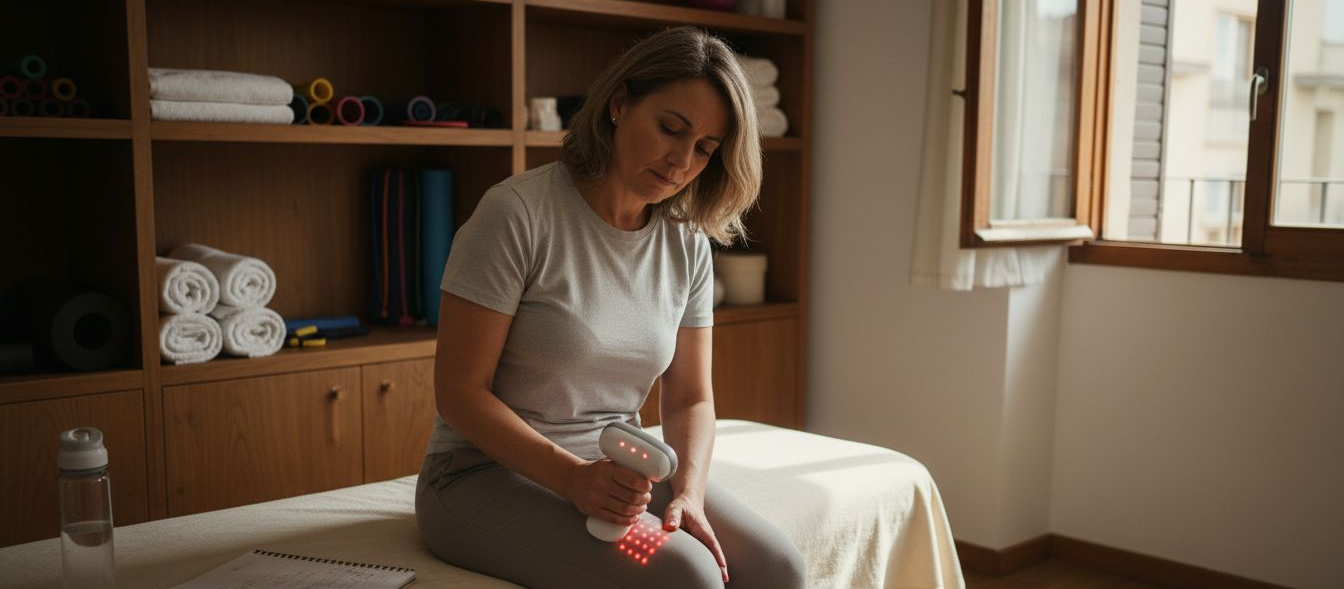
Chronic pain can impact every part of daily life, especially for American adults searching for relief that does not rely on medication or surgery. Many in Carson City are now exploring non-invasive methods like red light therapy to manage persistent discomfort and reduce inflammation. With studies showing that nearly 20 percent of American adults experience chronic pain, understanding how to determine candidacy and safely use red light therapy can open the door to lasting comfort and improved well-being.
Table of Contents
Quick Summary
| Key Insight | Explanation |
|---|---|
| 1. Assess Candidacy Thoroughly | Evaluate your specific chronic pain and health profile to determine suitability for therapy. |
| 2. Set Up Optimal Environment | Create a calm, distraction-free space and use devices with clinically validated wavelengths. |
| 3. Focus on Treatment Areas | Target painful regions specifically and adjust duration based on your personal pain response. |
| 4. Prioritize Safety Protocols | Use recommended distances and protective eyewear, monitoring your skin’s reaction closely. |
| 5. Track Results Systematically | Record your pain levels and treatment details to evaluate progress and adjust as needed. |
Step 1: Assess Candidacy for Red Light Therapy
Identifying whether you are a suitable candidate for red light therapy requires a comprehensive evaluation of your specific chronic pain condition and overall health profile. This assessment helps determine if this innovative treatment can provide meaningful relief for your symptoms.
The candidacy process involves several key considerations. First, medical professionals will review your specific pain type, which research indicates can range from nociceptive to neuropathic conditions. Chronic neck and muscle discomfort are particularly responsive, especially when traditional treatments have not yielded satisfactory results. Your healthcare provider will conduct a thorough examination to understand the underlying mechanisms of your pain and assess potential photobiomodulation benefits.
During the evaluation, your practitioner will screen for specific factors that might influence your suitability. These include examining your medical history, current medications, potential photosensitivity, and any existing neurological disorders. Not all patients are ideal candidates, so a personalized assessment ensures safety and potential therapeutic effectiveness.
Pro tip: Bring a comprehensive medical history and list of current medications to your initial consultation to streamline the candidacy assessment process.
Step 2: Prepare Equipment and Healing Environment
Preparing the right equipment and healing environment is crucial for maximizing the effectiveness of your red light therapy session. This step involves selecting appropriate devices and creating an optimal treatment space that supports your healing process.
Selecting the right therapeutic device requires careful consideration. Look for LED panels or handheld wands that emit specific wavelengths between 630700 nm for red light and 810880 nm for near-infrared light. Your device should provide clinically validated wavelengths that penetrate deep into tissue to support cellular recovery. Position the device at the recommended distance from your body typically 6 to 12 inches away to ensure optimal light absorption.
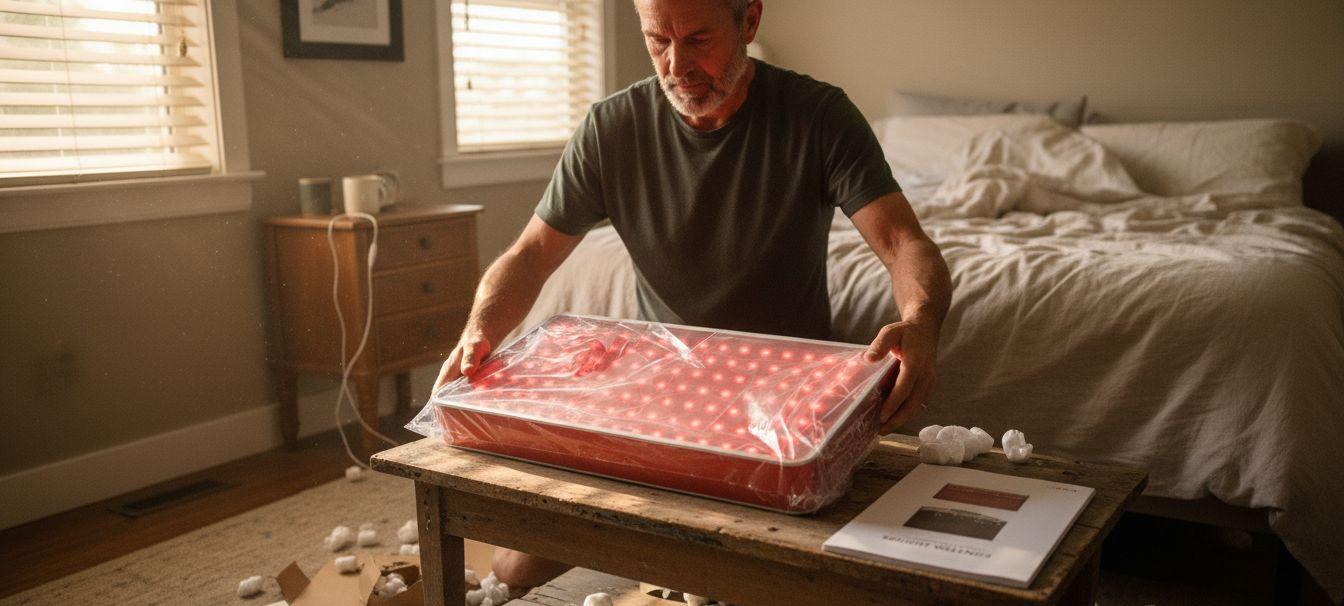
Create a calm healing environment by choosing a quiet space with minimal distractions. Remove any clothing that might block light exposure from the targeted area and ensure your skin is clean and free from lotions or oils. Wear protective eyewear to shield your eyes from direct light exposure. Maintain consistent room temperature and consider soft background music or meditation sounds to help you relax during the treatment.
Pro tip: Set up your red light therapy device the night before your session to minimize preparation time and reduce potential stress.
Here is a summary table comparing red light and near-infrared light devices for pain therapy:
| Device Type | Wavelength Range | Best Application Areas |
|---|---|---|
| Red Light Panel | 630–700 nm | Surface muscle, skin issues |
| Near-Infrared Wand | 810–880 nm | Deep tissue, joint pain |
| Combination Unit | 630–880 nm | Versatile, whole body use |
Step 3: Determine Optimal Treatment Area and Duration
Selecting the right treatment area and session duration is critical for maximizing the therapeutic benefits of red light therapy. This step requires a strategic approach to target your specific chronic pain conditions effectively.
Optimal treatment duration typically ranges between 15 and 20 minutes per targeted body area. Focus on pinpointing the exact regions experiencing chronic pain most intensely. For muscular discomfort or joint issues, direct the light precisely on the affected zones ensuring complete coverage. If you are treating multiple areas, consider breaking your session into segments rotating between different body parts to prevent overexposure.
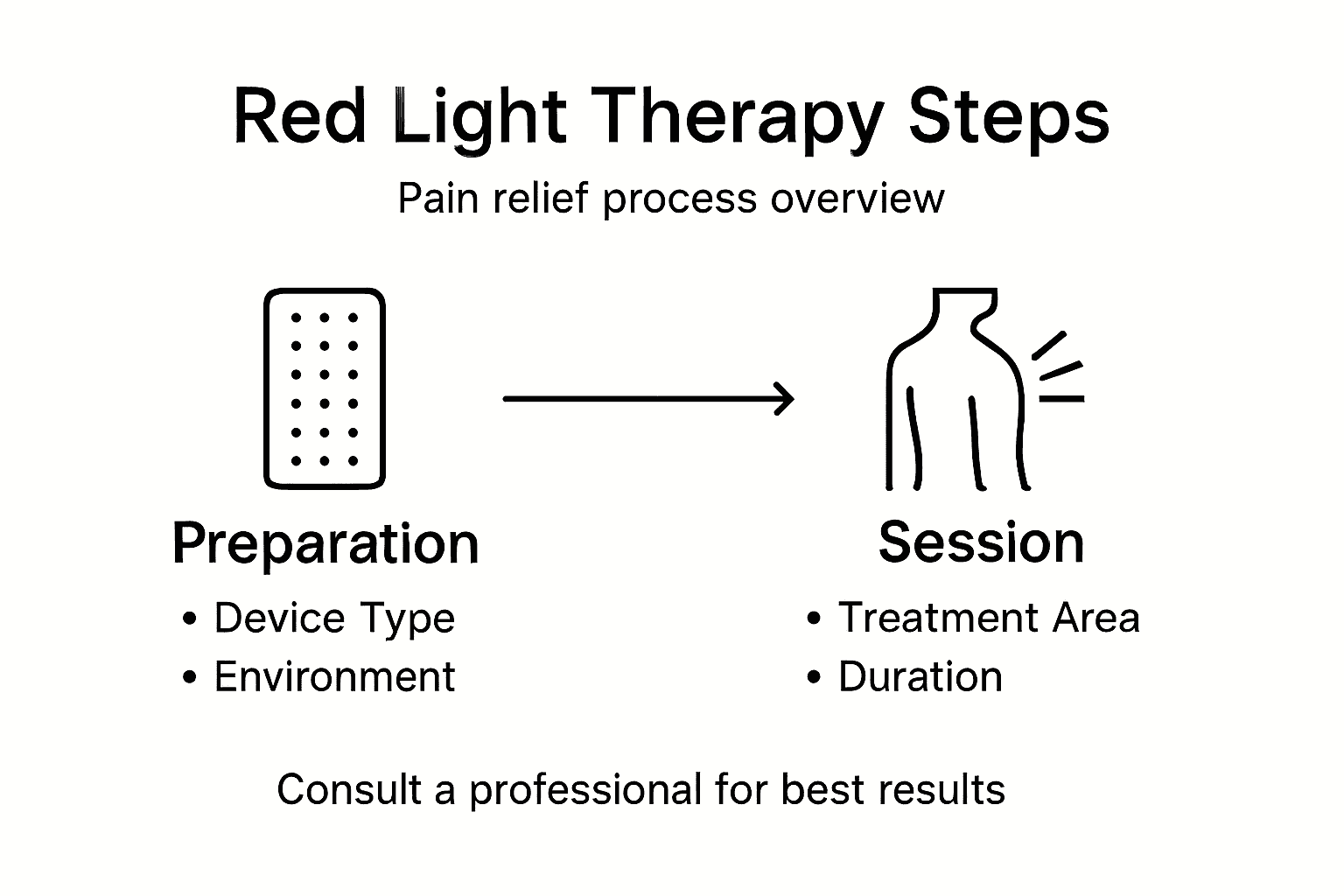
Consider your individual pain profile when establishing treatment frequency. Most patients benefit from 3 to 5 sessions per week with gradual intensity progression. Start with shorter 10minute sessions and slowly increase duration as your body adapts. Pay close attention to your body response and be prepared to adjust timing and coverage based on comfort levels and pain reduction. Always maintain consistent distance between the device and skin surface to ensure uniform light penetration.
Pro tip: Create a treatment log to track session durations intensity levels and pain responses for more personalized therapy optimization.
Step 4: Apply Red Light Therapy Safely and Effectively
Applying red light therapy requires careful attention to safety protocols and precise technique to maximize therapeutic benefits while minimizing potential risks. Understanding and implementing correct application methods is crucial for successful pain management.
Safety guidelines for red light therapy emphasize gradual introduction and mindful application. Begin by positioning your device at the recommended distance typically 6 to 12 inches from your skin surface. Protect your eyes with specialized protective glasses and avoid direct light exposure. Start with shorter sessions around 10 minutes and progressively increase duration as your body adapts. Be particularly cautious if you have photosensitive conditions or are taking medications that increase light sensitivity.
Monitor your body response during and after each treatment. Watch for any unusual skin reactions redness or discomfort. If you experience persistent irritation discontinue treatment and consult your healthcare provider. Different pain conditions may require varied approaches so remain flexible and attentive to how your specific body responds to the therapy. Consistency is key maintaining regular sessions while being responsive to your individual healing process.
Pro tip: Keep a detailed therapy journal documenting session details device settings and your pain levels to help fine tune your treatment approach.
Step 5: Monitor Results and Adjust as Needed
Tracking your progress with red light therapy is crucial for understanding its effectiveness and optimizing your pain management strategy. Systematic monitoring allows you to make informed decisions about your treatment approach and long-term healing process.
Comprehensive pain assessment techniques involve multiple evaluation methods to gauge therapeutic progress. Utilize standardized tools like the visual analog scale to rate your pain intensity before and after treatments. Track key indicators including pain levels mobility improvements and overall functional capacity. Pay attention to subtle changes documenting how your body responds to each therapy session. Consider measuring range of motion neck flexibility or specific mobility metrics relevant to your chronic pain condition.
Remain adaptable in your approach. If you notice minimal improvements after several weeks consider consulting your healthcare provider to potentially adjust treatment parameters. This might involve modifying session duration device positioning or treatment frequency. Some individuals experience gradual progress while others see more immediate results. Your personal healing journey is unique and requires patience and attentive self monitoring.
Pro tip: Create a digital or physical tracking sheet with columns for date pain level device settings session duration and subjective observations to develop a comprehensive treatment insight.
Use this table to track and evaluate red light therapy results:
| Date | Treated Area | Pain Score (0-10) | Notes on Progress |
|---|---|---|---|
| 2024-07-01 | Left shoulder | 7 | Reduced stiffness noted |
| 2024-07-04 | Lower back | 6 | Slight improvement, mild redness |
| 2024-07-07 | Neck | 5 | Better mobility, less pain |
Discover Lasting Relief with Personalized Red Light Therapy at Agapé Healing & Wellness
Chronic pain can feel overwhelming when traditional methods fall short. If you are seeking a natural, non-invasive solution that targets inflammation and promotes cellular repair, red light therapy could be the breakthrough you need. This guide highlights the importance of assessing candidacy, preparing treatment areas, and safely applying light therapy to effectively reduce pain and enhance mobility.
At Agapé Healing & Wellness, we specialize in tailored red light therapy treatments designed to address your unique chronic pain challenges. Combining advanced technologies like Cellsonic Therapy and Terahertz Wand treatments with holistic wellness coaching, we help you restore vitality without pharmaceuticals or surgery. Start your healing journey today by visiting our holistic health center in Carson City to learn how customized therapies can transform your pain management. Don’t wait — take the first step toward renewed comfort and well-being now with Agapé Healing & Wellness.
Frequently Asked Questions
What are the key factors to consider when assessing candidacy for red light therapy?
Evaluating candidacy for red light therapy involves reviewing your chronic pain type, medical history, and current medications. Schedule a consultation with a healthcare provider to conduct a personalized assessment and determine if this treatment can effectively relieve your symptoms.
How can I prepare my environment for red light therapy sessions?
To optimize your healing environment, choose a quiet space with minimal distractions, and ensure the area is clean. Prepare your red light therapy device in advance and remove any clothing obstructing light exposure, allowing for the best results.
What is the recommended duration and frequency of red light therapy sessions?
Typically, each red light therapy session should last between 15 to 20 minutes, with 3 to 5 sessions per week being ideal for most individuals. Start with shorter sessions and gradually increase duration as you notice your body adapting to the treatment.
How can I safely apply red light therapy on my own?
Ensure you position the device at the recommended distance of 6 to 12 inches from your skin and wear protective eyewear. Start with short sessions and monitor your body’s response to avoid any adverse effects while maximizing therapeutic benefits.
What methods can I use to monitor the results of red light therapy?
Track your progress by maintaining a pain log that includes the treated area, pain levels before and after sessions, and any observations regarding improvement. Regularly assess your pain and mobility to fine-tune your treatment approach based on your individual healing journey.
How can I determine the optimal treatment area for my chronic pain?
Identify the specific regions experiencing the most intense chronic pain, and focus the red light on those areas during your session. Consider breaking your treatment into segments if addressing multiple areas, ensuring complete coverage for each targeted zone.
Recommended
- Red Light Therapy (RLT) in Carson City | Heal & Revitalize
- Foot Therapy & Pain Relief | Effective Treatments for Foot Pain
- CellSonic Therapy for Pain Relief | Non-Invasive Frequency Therapy
- Agapé Healing & Wellness | Alternative Healing & Holistic Health Coaching in Carson City
- How to Use Cannabis for Pain Relief Naturally – California Blendz
- 7 Signs You Need Physiotherapy for Chronic Pain Relief