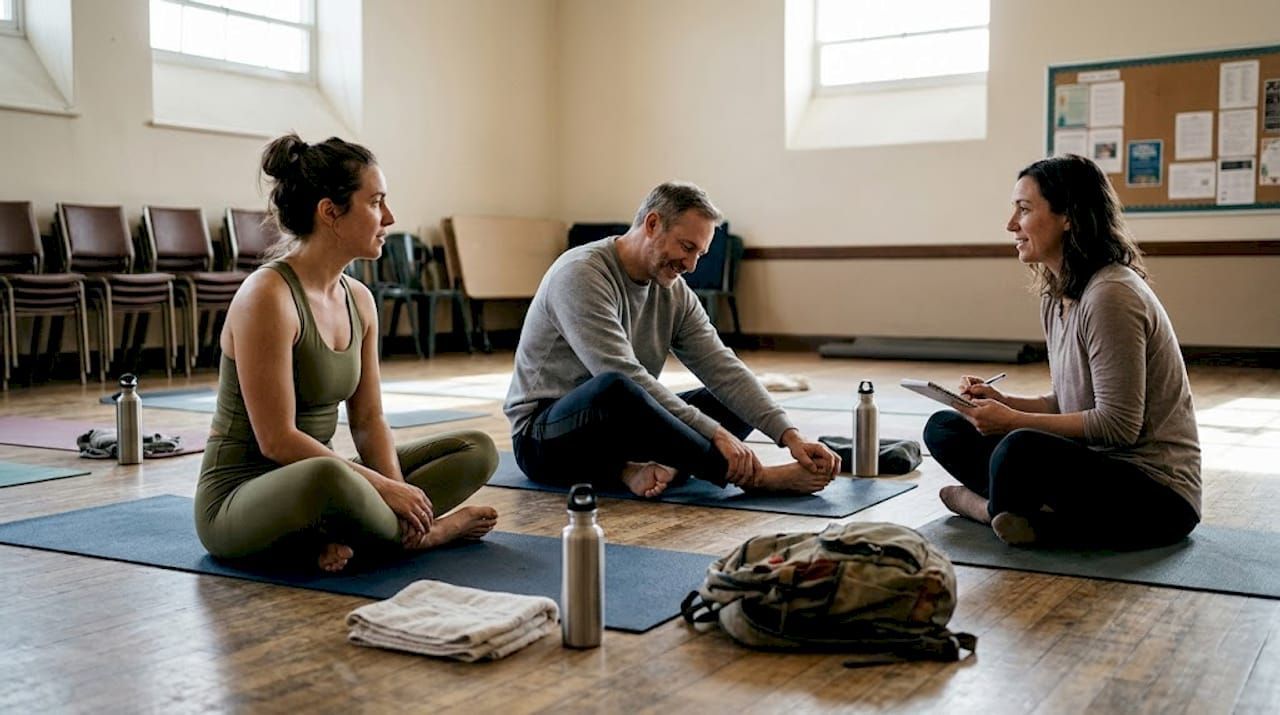
Chronic pain management: holistic solutions and lasting relief
TL;DR:
- Effective chronic pain management involves a personalized, multidisciplinary approach beyond just medications.
- Holistic therapies like acupuncture, yoga, and mindfulness have modest but evidence-supported benefits for chronic pain.
- Building a flexible, whole-person plan enhances function, quality of life, and long-term pain relief.
Chronic pain is one of the most undertreated and misunderstood health conditions in the United States, affecting roughly 50 million adults at any given time. Most people assume managing it means choosing the right painkiller and waiting. That assumption keeps millions stuck in a cycle that never quite works. True chronic pain management is far broader, more personal, and more effective than a prescription pad, and the latest evidence backs up what many holistic practitioners have known for years.

Table of Contents
- What is chronic pain management?
- Conventional vs. holistic approaches
- Evidence-based holistic therapies
- Addressing nociplastic pain and common challenges
- A practical guide to building your pain management plan
- Why holistic, individualized plans are the future of pain management
- Explore holistic pain relief options at Agapé Healing & Wellness
- Frequently asked questions
Key Takeaways
| Point | Details |
|---|---|
| Holistic care matters | Combining conventional and holistic therapies offers the most comprehensive relief for chronic pain. |
| Individualized planning | Pain management plans should focus on your unique needs, not just on symptoms. |
| Evidence supports alternatives | Many nonpharmaceutical and complementary therapies have proven benefits and fewer side effects for chronic pain. |
| Team-based is best | A multidisciplinary team approach ensures safe, effective, and balanced chronic pain care. |
| Continuous adjustment | Effective pain management is ongoing and should adapt to changes in your condition or goals. |
What is chronic pain management?
Chronic pain is pain that lasts three months or longer, often continuing well beyond the original injury or illness that triggered it. It is not just a physical problem. It reshapes how you sleep, how you move, how you feel emotionally, and even how you connect with the people around you. That is why effective management must do more than simply reduce a number on a pain scale.
The real goal of pain management is to help you live better. That means restoring function, rebuilding confidence in your body, and improving overall quality of life. This is why leading medical organizations now recommend multidisciplinary approaches that combine pharmacological treatments (medications like acetaminophen and NSAIDs), nonpharmacological methods (exercise, cognitive behavioral therapy), and complementary or holistic therapies.
A multidisciplinary care team might include a physician, a physical therapist, a psychologist, and a holistic wellness practitioner. Each professional addresses a different layer of the pain experience. No single provider or treatment type can do it all alone.
The three main categories of treatment include:
- Pharmacological treatments: Over-the-counter medications, prescription non-opioids, and as a last resort, opioids
- Nonpharmacological treatments: Physical therapy, structured exercise, and behavioral therapies like CBT
- Complementary and holistic approaches: Acupuncture, massage, red light therapy, mindfulness, yoga, and more
For those exploring holistic non-invasive relief, this multi-layered approach opens doors that purely medication-based care often cannot.
"The goal of chronic pain management is not pain elimination but rather improving function and quality of life through a combination of evidence-based treatments tailored to the individual."
Understanding this shift in goals is the first step to building a plan that actually works for your life.
Conventional vs. holistic approaches
With the basics of chronic pain management covered, let's compare traditional medical methods with holistic and alternative strategies.
Conventional medicine tends to start with medications, usually non-opioid options first, and may progress to interventional procedures like nerve blocks or surgery if conservative measures fail. These approaches are well-researched and often necessary, especially for acute pain or pain with a clear structural cause like a herniated disc.
Holistic and alternative therapies take a whole-person view. Rather than suppressing a symptom, they work to address underlying imbalances in the body's systems, reduce inflammation, improve mobility, and support emotional health. As the NCCIH confirms, complementary methods show modest but real benefits for chronic pain, particularly for wellness outcomes and conditions that respond poorly to medications. They also tend to have fewer serious side effects.
| Feature | Conventional treatment | Holistic/complementary treatment |
|---|---|---|
| Primary focus | Symptom suppression | Root cause and whole-person wellness |
| Common tools | Medications, injections, surgery | Acupuncture, yoga, mindfulness, manual therapy |
| Side effect risk | Moderate to high (especially opioids) | Generally low |
| Evidence base | Strong for acute/structural pain | Modest and growing for chronic/functional pain |
| Personalization | Condition-based | Highly individualized |
| Best for | Clear tissue damage, acute conditions | Functional, widespread, or treatment-resistant pain |
The evidence is increasingly clear: combining both approaches within a structured plan leads to the best outcomes. When you understand the difference between holistic vs conventional medicine, you start to see them as complementary tools rather than competing philosophies.
Pro Tip: Ask any new provider whether their practice uses a multimodal approach. If the answer is "we'll start with medication and see," that may be a sign to look for additional support alongside their care.
Your guide to holistic pain management can help you map out where holistic care fits in your current situation, whether you are just starting out or looking to add new tools to your existing plan.

Evidence-based holistic therapies
To deepen your understanding, let's look at the leading holistic therapies supported by current evidence.
Not all complementary therapies are created equal. Some have decades of research behind them. Others are still being studied. Knowing which ones have real evidence of benefit helps you make smarter decisions about where to invest your time and energy.
Research compiled by the NCCIH on pain therapies identifies the following as having meaningful evidence for chronic pain:
- Acupuncture: One of the most-researched holistic therapies for pain. It shows reliable benefits for low-back pain, neck pain, osteoarthritis, and headaches. It works by stimulating specific points in the body, which appears to influence pain signaling pathways.
- Yoga: Combines movement, breathwork, and mindfulness. Research supports its use for low-back pain and fibromyalgia. Even gentle yoga adapted for pain conditions can improve flexibility and reduce pain perception over time.
- Tai chi: A slow, meditative movement practice with strong evidence for osteoarthritis pain and fall prevention. It is particularly valuable for older adults with joint pain.
- Mindfulness-based stress reduction (MBSR): A structured program that trains the brain to respond differently to pain signals. Studies show it reduces pain catastrophizing (exaggerated negative thinking about pain) and improves daily functioning.
- Massage therapy: Most effective for muscle-related pain, tension headaches, and soft tissue injuries. Regular massage sessions can lower stress hormones and improve circulation to injured areas.
| Therapy | Best evidence for | Typical session length | Commonly used alongside |
|---|---|---|---|
| Acupuncture | Low-back pain, osteoarthritis | 30 to 60 minutes | Physical therapy, medications |
| Yoga | Fibromyalgia, low-back pain | 45 to 90 minutes | Mindfulness, CBT |
| Tai chi | Osteoarthritis, balance issues | 30 to 60 minutes | Exercise programs |
| MBSR | Widespread pain, stress-related pain | 8-week program | Psychotherapy, yoga |
| Massage | Muscle tension, soft tissue pain | 30 to 90 minutes | Acupuncture, stretching |
"Holistic and alternative methods for chronic pain, including acupuncture, massage, yoga, tai chi, mindfulness, and spinal manipulation, show modest evidence of benefit for conditions like low-back pain, fibromyalgia, and osteoarthritis, according to NCCIH reviews."
For residents of Carson City and Reno, exploring natural pain relief therapies locally gives you real options that go beyond what a single doctor's visit can offer. Many of these therapies are available through specialized holistic wellness centers and can be scheduled alongside conventional care. Learning about non-invasive chronic pain therapies also helps set realistic expectations, something that is critical when managing a long-term condition.
Addressing nociplastic pain and common challenges
Beyond common therapies, it's crucial to address persistent forms of pain that don't respond well to standard treatments.
Some of the most difficult pain cases fall into a category called nociplastic pain. This term, recognized by the International Association for the Study of Pain, describes pain that arises from altered pain processing in the nervous system rather than from tissue damage or nerve injury. Fibromyalgia, irritable bowel syndrome with pain, and chronic widespread pain are common examples.
Here is why this matters: traditional painkillers, including opioids, often do very little for nociplastic pain. The first-line treatment for nociplastic pain is nonpharmacologic, meaning exercise, psychotherapy, and mindfulness-based practices. These approaches directly target the central sensitization (the nervous system's overreaction to pain signals) that drives this type of pain.
People with nociplastic pain are frequently undertreated or dismissed by providers who only look for structural causes on imaging. If you have been told "nothing is wrong" but you still hurt, nociplastic pain may be worth exploring with a practitioner familiar with it.
Common challenges in managing nociplastic pain include:
- Delayed diagnosis: Average time from symptom onset to diagnosis can be several years
- Co-occurring mental health conditions: Depression and anxiety are present in a significant portion of people with chronic pain and need to be treated alongside physical symptoms
- Medication overuse: Long-term reliance on pain medications can actually worsen pain sensitivity over time
- Social isolation: Chronic pain limits activity, which reduces social connection, which worsens emotional health
Pro Tip: If you are working on chronic pain, ask your provider specifically about screening for depression and anxiety. These conditions both worsen pain and are highly treatable. Addressing them often improves pain outcomes significantly.
Understanding the non-pharmaceutical pain relief guide is especially valuable here, because it shows how therapies that don't involve medication can actually change the way your nervous system processes pain. The benefits of non-pharmaceutical therapies are not just about avoiding side effects. They include genuine neurological changes that lead to lasting improvement.
A practical guide to building your pain management plan
Now, with an understanding of why holistic therapies matter, let's apply these concepts to your own journey.
Building a personalized pain management plan feels overwhelming when you are already exhausted from hurting. Breaking it down into clear steps makes it manageable.
- Define your goals beyond pain reduction. Ask yourself: what would I be doing differently if my pain were under control? Walking more? Sleeping through the night? Playing with your kids or grandkids? These functional goals give you and your providers something concrete to measure.
- Document your pain patterns. Track your pain level at different times of day, which activities make it better or worse, and how it affects your sleep and mood. This information is gold for any provider helping you build a plan.
- Start with a medical evaluation. Rule out underlying conditions that need specific treatment. Know what type of pain you are dealing with: nociceptive (from tissue damage), neuropathic (nerve-related), or nociplastic (central sensitization).
- Layer in nonpharmacological options early. CDC guidelines strongly emphasize non-opioid therapies as the starting point for chronic pain management. Physical therapy, structured exercise, and behavioral interventions should be part of your plan from the beginning, not added only when medications fail.
- Explore holistic and complementary therapies. Based on your pain type, add one or two evidence-supported therapies, such as acupuncture for joint pain or mindfulness for widespread pain. Track what changes.
- Build your local support network. In Carson City and Reno, holistic wellness centers, physical therapy clinics, and integrative health practitioners are more accessible than many people realize. Community support groups also reduce the isolation that worsens chronic pain.
- Schedule regular plan reviews. Pain changes over time, and so should your approach. Revisit your plan every three to six months or whenever your symptoms shift significantly.
Pro Tip: Don't wait for your conventional provider to suggest holistic therapies. Many physicians support them but won't bring them up first. Advocate for yourself by asking directly what they think about adding acupuncture, yoga, or mindfulness to your current treatment.
Resources like holistic pain management solutions and overviews of holistic therapies for chronic pain can guide you in identifying which therapies make the most sense for your specific situation.
Why holistic, individualized plans are the future of pain management
Here is what years of working with people in chronic pain teaches you: conventional care alone rarely gets anyone to a good place. It can stabilize. It can reduce acute flares. But medications don't rebuild a person's trust in their own body. They don't restore the confidence to exercise or the motivation to reconnect with life. That part requires something more.
The people who do best are the ones who stop waiting for one treatment to be "the answer" and instead build a dynamic, evolving plan that addresses both their physical pain and their relationship to it. Mindset matters enormously. Research consistently shows that people who feel in control of their pain management do better than those who feel managed by it.
Holistic and individualized care plans change the dynamic. When you are working with a team that treats you as a whole person, not just a diagnosis, the experience of care itself becomes part of the healing. That is not wishful thinking. It is biology. Social connection, reduced stress, purposeful movement, and better sleep all reduce inflammatory markers in the body, which directly affects pain.
We believe the future belongs to approaches that blend the precision of conventional medicine with the whole-person intelligence of holistic care. Treatments like red light therapy and CellSonic frequency therapy aren't replacements for medical care. They are sophisticated tools that support the body's own healing systems in ways medications often cannot.
For residents of northern Nevada dealing with pain that has overstayed its welcome, exploring lasting holistic relief is not a retreat from serious medicine. It is a step into a more complete version of it.
Explore holistic pain relief options at Agapé Healing & Wellness
If this article has shifted how you see chronic pain management, you are already moving in the right direction. The next step is finding local support that matches this broader, more personal approach to healing.
At Agapé Healing & Wellness in Carson City, we offer evidence-aligned therapies specifically designed for people dealing with chronic pain who want real options outside the medication cycle. Our red light therapy sessions support cellular repair and reduce inflammation at a tissue level, making it a strong complement to other pain management strategies. Our holistic wellness coaching helps you build sustainable lifestyle habits that support your pain management goals long-term. And our CellSonic pain relief treatments use acoustic wave technology to target stubborn pain at its source. Whether you are just starting your journey or looking to add powerful tools to your existing plan, we are here to help.
Frequently asked questions
What are the main types of chronic pain management therapies?
They include pharmacological options (mainly non-opioid medications like acetaminophen and NSAIDs), nonpharmacological methods like exercise and CBT, and complementary approaches such as acupuncture or yoga.
Is holistic pain management safe and effective?
Most holistic therapies have modest evidence of benefit for specific pain conditions like low-back pain, fibromyalgia, and osteoarthritis, and they generally carry fewer side effects than traditional medications.
Why are opioids usually not the first choice for chronic pain?
Opioids carry significant risks including dependence, and CDC guidelines recommend starting with non-opioid and nonpharmaceutical options whenever possible before considering opioids.
Can chronic pain be fully cured with holistic methods?
While complete cures are rare, holistic methods can meaningfully improve function and quality of life. Research shows the primary goal shifts from total pain elimination to restoring the ability to live well.
How do I choose the right therapies for my chronic pain?
Work with a qualified provider who understands your pain type, daily life, and wellness goals, then build a flexible plan that combines the most appropriate conventional and holistic tools for your situation.
Recommended