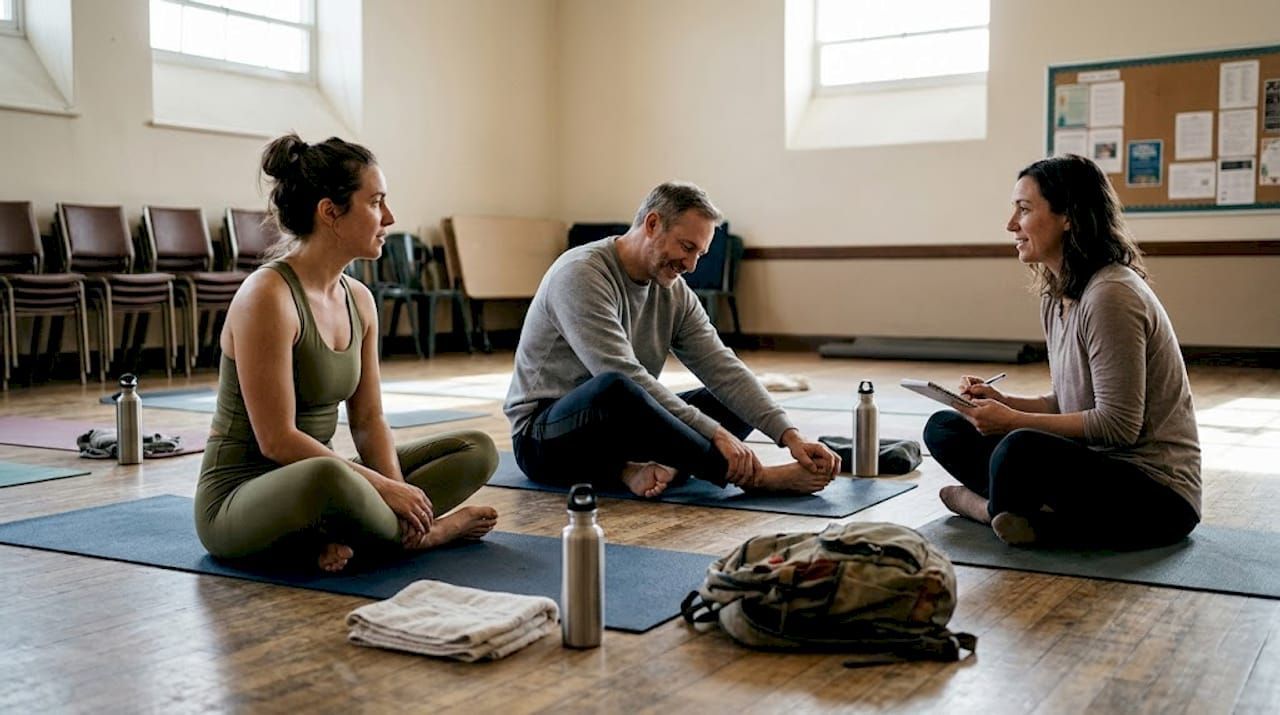
Your guide to non-invasive treatments for lasting pain relief
TL;DR:
- Non-invasive therapies externally stimulate healing without surgery or medications.
- Correct therapy choice depends on the pain's primary driver and individual needs.
- Combining therapies and professional guidance enhances lasting pain relief and safety.
Your guide to non-invasive treatments for lasting pain relief
Chronic pain and persistent inflammation can turn ordinary tasks into exhausting challenges. Getting out of bed, walking to the car, or even sitting through dinner becomes something you dread rather than enjoy. Many people across Carson City and Reno are looking for real solutions that don't rely on a lifetime of prescription medications or invasive surgical procedures. This guide walks you through what non-invasive therapies are, how to choose the right one for your specific situation, how to apply them safely, and how to know whether they're actually working.

Table of Contents
- Understanding non-invasive therapies and their role
- How to prepare: Selecting the right treatment for your situation
- Step-by-step guide: Applying common non-invasive treatments
- Troubleshooting, outcome tracking, and safety
- A practitioner's perspective: What most guides leave out about non-invasive healing
- Explore advanced non-invasive treatments in Carson City
- Frequently asked questions
Key Takeaways
| Point | Details |
|---|---|
| Personalized approach | Matching the right therapy to your pain driver boosts results and safety. |
| Evidence supports combinations | Combining modalities like exercise, acupuncture, and mindfulness is more effective than one approach alone. |
| Expect gradual improvement | Day-to-day modest pain relief is realistic; track progress to evaluate effectiveness. |
| Safety first | Consult your provider before self-treating, especially with complex or unclear pain problems. |
Understanding non-invasive therapies and their role
The phrase "non-invasive" simply means no needles breaking the skin beyond surface level, no surgery, and no pharmaceutical substances entering your body. These therapies work externally or through gentle physical contact to help your body do what it's already designed to do: heal, regulate, and recover.
Non-invasive approaches for pain and inflammation include a wide range of modalities. Some use temperature, like heat packs or cold compresses. Others use electrical stimulation, such as transcutaneous electrical nerve stimulation (TENS), which sends gentle pulses through the skin to interrupt pain signals. Manual therapies like massage and myofascial release address tension in soft tissue. Mind-body practices like yoga, tai chi, and mindfulness meditation target the nervous system's role in amplifying or reducing pain perception. Exercise-based rehabilitation, such as structured physical therapy, addresses structural imbalances and strength deficits that often drive chronic pain.
Here's a breakdown of the most common non-invasive modalities, their primary mechanism, and the type of pain they're best suited for:
| Therapy | Primary mechanism | Best suited for |
|---|---|---|
| Heat therapy | Increases blood flow, relaxes muscle | Muscle stiffness, chronic tension |
| Cold therapy | Reduces swelling, numbs acute pain | Acute inflammation, post-activity soreness |
| TENS | Interrupts pain signals via electrical pulse | Nerve pain, musculoskeletal pain |
| Massage therapy | Reduces muscle tension, improves circulation | Soft tissue pain, stress-related pain |
| Acupuncture | Modulates pain pathways via needle stimulation | Chronic pain, headache, nerve conditions |
| Exercise rehab | Corrects muscle imbalances, improves resilience | Most chronic pain conditions |
| Mind-body practices | Downregulates nervous system, reduces pain perception | Stress-related pain, fibromyalgia |
| Red light therapy | Stimulates cellular repair, reduces inflammation | Inflammatory pain, joint conditions |
These therapies are not meant to replace clinical evaluation. As the Merck Manual notes, "Nonpharmacologic options are typically used as adjuncts and chosen based on clinical judgment and patient/clinician preferences." That means they work best alongside a clear diagnosis and professional oversight, not instead of it.
Important: A non-invasive approach should complement your overall care plan, not serve as a reason to avoid getting a proper evaluation. If your pain is undiagnosed, start there.
For a broader overview, our non-invasive therapy overview walks through how these approaches fit into a full wellness strategy. You might also find it helpful to read why choose non-invasive therapies if you're weighing your options against conventional medical care.
How to prepare: Selecting the right treatment for your situation
Once you understand the categories, it's time to pick the right approach based on your symptoms and personal needs. Not all chronic pain is the same. Nerve pain behaves differently from muscle pain, and stress-related tension responds to different interventions than structural joint problems. Choosing the wrong therapy doesn't just waste time; it can sometimes make things worse.
Before selecting a therapy, run through this checklist to identify your primary pain driver:
- Inflammatory pain: Joint swelling, heat, redness, or tenderness that worsens with prolonged rest
- Muscle pain: Dull aching, stiffness, or soreness triggered by overuse or sustained posture
- Nerve pain: Sharp, shooting, burning, or tingling sensations, sometimes without obvious tissue damage
- Stress-related pain: Tension that worsens with emotional stress, often felt in the neck, shoulders, or jaw
- Structural pain: Pain tied to posture, alignment, or movement patterns that worsen with specific positions
The NCCIH recommends a practical "mechanism-first" approach: match the intervention to the most likely pain driver rather than simply trying the most popular option. This is smarter than guessing.
Here's a comparison to simplify that decision:
| Primary pain driver | Recommended first-line therapy | Complementary options |
|---|---|---|
| Inflammatory | Cold therapy, Red Light Therapy | Anti-inflammatory diet, acupuncture |
| Muscle tension | Heat, massage | Exercise rehab, TENS |
| Nerve-related | TENS, acupuncture | Mind-body practices, Red Light Therapy |
| Stress-related | Mind-body practices | Massage, yoga |
| Structural | Exercise rehab, physical therapy | Massage, acupuncture |
Before starting any therapy, walk through these steps with your provider:
- Get a confirmed or working diagnosis of your pain type and its likely origin.
- Share your full medical history, including any medications or existing conditions.
- Ask your provider which therapies are contraindicated for your specific situation.
- Establish a baseline measurement of your pain level using a consistent scale (0 to 10).
- Set a 4 to 6 week trial period with defined check-in points to assess progress.
Understanding the mind-body connection is especially relevant here, because nervous system dysregulation often sits at the root of pain that doesn't respond to purely physical treatments. You may also want to compare natural vs pharmaceutical options to make a fully informed decision.
Pro Tip: If you're dealing with pain that has more than one driver, combining two complementary therapies often produces better results than going all-in on one approach. For example, pairing Red Light Therapy with targeted exercise rehab addresses both cellular inflammation and structural weakness at the same time.

Step-by-step guide: Applying common non-invasive treatments
With a personalized plan in mind, here's exactly how to start applying these therapies for best results. Each modality has its own protocol, and following it correctly is the difference between real relief and frustration.
Heat and cold therapy
As research confirms, heat and cold can both manage inflammatory pain depending on the phase of the condition. Cold is most effective within the first 48 to 72 hours of an acute flare. Apply for 15 to 20 minutes at a time with a cloth barrier between the ice pack and your skin. Heat works better for chronic stiffness and muscle tension. Use a heating pad or warm pack for 15 to 20 minutes. Never apply either directly to broken skin or over areas with reduced sensation.
TENS therapy
- Place the electrode pads on either side of the painful area, not directly on the spine or over the heart.
- Start at the lowest intensity and increase gradually until you feel a gentle buzzing, not pain.
- Use for 20 to 30 minutes per session.
- Most people benefit from daily sessions during a flare, tapering to 3 to 4 times per week for maintenance.
Massage and myofascial release
- Work with a licensed therapist for your first few sessions to learn which areas need attention.
- At home, use a foam roller or massage ball on large muscle groups for 30 to 60 seconds per area.
- Avoid deep pressure directly over inflamed joints or areas of acute injury.
- Combine with gentle stretching afterward to maintain improved range of motion.
Mind-body practices
Evidence shows that tai chi, yoga, and qigong show encouraging results for chronic pain management. Start with 10 to 15 minutes daily, prioritizing breath awareness and slow movement. Apps and online classes can guide beginners effectively before working with an instructor.
Avoid self-treatment if any of the following apply:
- Pain is accompanied by numbness, sudden weakness, or loss of bladder/bowel control
- You've had a recent fracture, surgery, or unhealed wound in the area
- Pain follows a recent fall or trauma that hasn't been evaluated
- You have a diagnosed inflammatory arthropathy affecting your cervical spine
Check out best therapies for pain for condition-specific guidance, and review proven natural pain relief for real-world examples.
Pro Tip: Keep a simple symptom-and-response log. After each session, note your pain level before and after, what you did, and any observations. After two weeks, patterns emerge that tell you more than memory alone ever could.
Troubleshooting, outcome tracking, and safety
As you apply these methods, careful tracking and safety awareness are key to getting the most benefit. One of the most common reasons people quit non-invasive care too soon is expecting fast, dramatic results. That's not how these therapies typically work.
Realistic expectations matter. Most non-invasive approaches produce modest but meaningful day-to-day improvements over weeks, not days. A 20 to 30 percent reduction in pain intensity over four to six weeks is a clinically significant result. That might not sound dramatic, but it often translates to sleeping better, moving more, and needing fewer medications.
As the NCCIH cautions, "treatments marketed as 'cures' should be treated skeptically; look for outcomes measured with validated tools." Ask your provider about tools like the Brief Pain Inventory or the Patient-Reported Outcomes Measurement Information System (PROMIS) to track changes objectively.
Validated outcome tools your provider can use include:
- Brief Pain Inventory (BPI): Measures pain severity and its impact on daily activities
- PROMIS Pain Interference Scale: Tracks how much pain interferes with physical and emotional functioning
- Numeric Rating Scale (NRS): Simple 0 to 10 daily self-report that's easy to track over time
- Oswestry Disability Index: Specifically designed for back and leg pain functional outcomes
Watch for these red-flag symptoms that require prompt clinical evaluation:
- Sudden, severe pain you've never experienced before
- Pain following a fall, accident, or significant impact
- Unexplained weight loss alongside pain
- Fever or night sweats combined with musculoskeletal pain
- Numbness, weakness, or tingling that is new or rapidly worsening
Common mistakes that stall progress include inconsistent use of therapies, skipping warm-up before exercise-based treatments, applying heat to an acutely inflamed joint (cold is better there), and combining too many new therapies at once without a clear baseline.
One important safety note: traction is specifically contraindicated in people with rheumatoid arthritis or other inflammatory arthropathies affecting the cervical spine. This is a good example of why a clinical assessment before starting any therapy matters, even therapies that seem gentle.
For a broader view of managing chronic pain holistically, our guide on holistic pain management solutions covers how to integrate multiple approaches safely over time.
A practitioner's perspective: What most guides leave out about non-invasive healing
Most articles about non-invasive care focus on the mechanics: which therapy does what, how long to apply it, and what the research says. What rarely gets discussed is the real reason some people get lasting results and others don't.
The difference usually isn't the therapy. It's the consistency and the combination. We've seen clients in the Carson City area who tried six different treatments over two years with minimal relief, then committed to a paired approach combining Red Light Therapy with structured movement and mindfulness practice, and finally started turning a corner. Not because of magic, but because they stopped chasing individual solutions and started building a coherent healing environment.
There's also a tendency in this space to treat non-invasive as equivalent to "do it yourself." It isn't. The best results come when you have professional guidance helping you interpret what your body is telling you, adjusting the approach as you go, and knowing when to refer out. Non-invasive doesn't mean unsupervised.
For deeper insights into building a lasting strategy, our holistic pain management insights guide goes further into what a real, individualized long-term plan looks like.
Explore advanced non-invasive treatments in Carson City
If you're ready to move beyond at-home basics, professional-grade non-invasive therapies can significantly accelerate your results.
At Agapé Healing & Wellness , we offer advanced options that are difficult to replicate at home. CellSonic Therapy uses acoustic pressure waves to stimulate cellular repair and reduce deep tissue inflammation, making it particularly effective for stubborn musculoskeletal conditions. Red Light Therapy uses specific wavelengths to penetrate tissue and support mitochondrial function at the cellular level. Both are paired with personalized wellness coaching to ensure your lifestyle habits support your healing, not undermine it. We serve clients throughout Carson City and the Reno area. Reach out to schedule your initial assessment and find out which therapies fit your specific situation.
Frequently asked questions
What is a non-invasive treatment for pain?
Non-invasive treatments manage pain without surgery or drugs, using modalities like heat, massage, and mind-body techniques. Clinical guidelines position them as adjuncts chosen based on clinical judgment and individual needs.
How effective are non-invasive therapies for chronic pain?
They provide meaningful but modest symptom improvement over time, with the strongest evidence supporting mind-body and physical practices. Effects vary significantly by condition, individual, and quality of evidence available.
When should I seek medical advice instead of self-treating?
Consult a healthcare professional when pain is severe, persistent, or accompanied by warning signs like sudden weakness, numbness, or loss of normal function.
Can I combine multiple non-invasive therapies?
Yes, and combining approaches like exercise, acupuncture, and mindfulness is often more effective than using any single method alone. Exercise-based rehabilitation and mind-body practices should be prioritized, with acupuncture and massage added as complements.
Are there risks associated with non-invasive treatments?
Some therapies carry specific contraindications. For example, traction is contraindicated for people with rheumatoid arthritis or inflammatory arthropathies of the cervical spine, which is why professional guidance matters even with gentle approaches.
Recommended