Why Patient-centered Care transforms chronic pain in 2026
TL;DR:
- Patient-centered care focuses on individual values, preferences, and holistic well-being for effective pain management.
- It outperforms standard treatments by improving satisfaction, function, and reducing opioid dependence.
- Incorporating holistic therapies like acupuncture and mindfulness enhances long-term chronic pain relief.
Most people living with chronic pain are told the same thing: take this medication, try this surgery, follow this protocol. Yet patient-centered care consistently delivers better pain relief, improved function, and higher quality of life than standard treatments. The evidence is clear, and it points to something that conventional medicine has often overlooked: how care is delivered matters just as much as what is delivered. This guide breaks down what patient-centered care actually looks like, why it works, and how you can use it to take real control of your chronic pain and overall wellness.
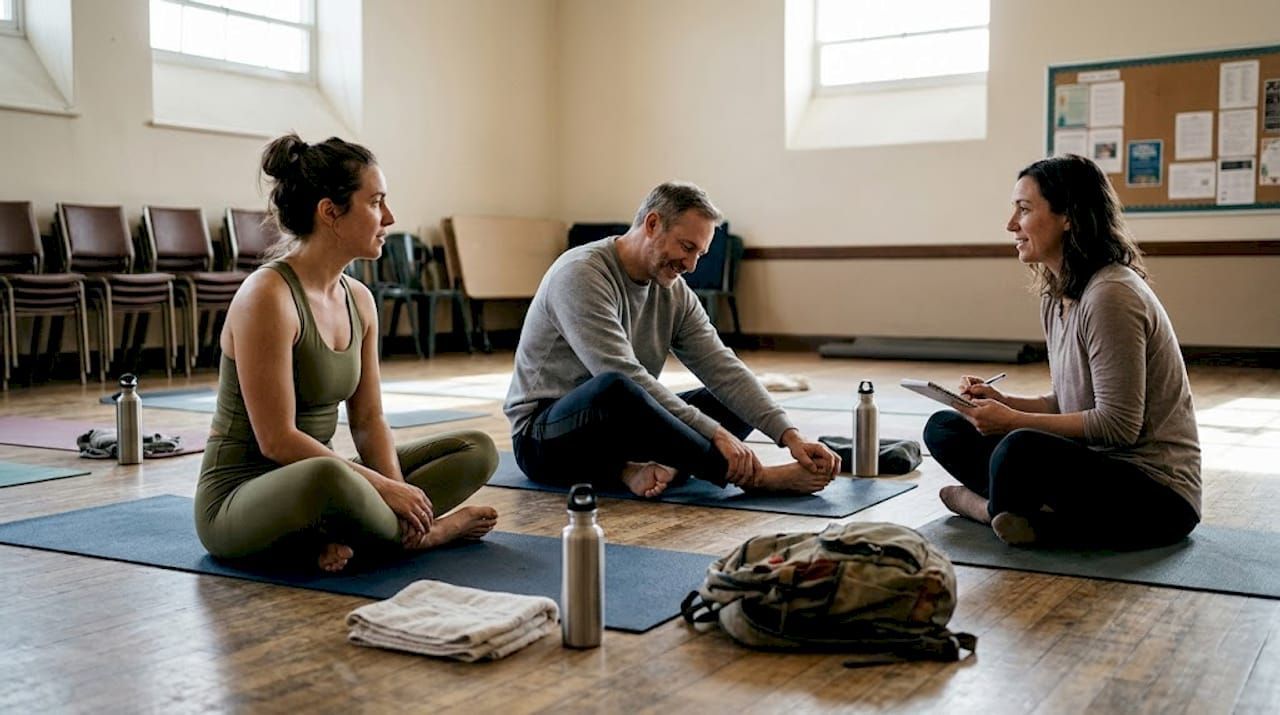
Table of Contents
- What patient-centered care really means
- How patient-centered care outperforms standard approaches
- integrating holistic and non-invasive therapies
- addressing challenges and what patients should know
- Why patient-centered care works—if you make it truly holistic
- Take the first step toward holistic, patient-centered healing
- frequently asked questions
Key Takeaways
| Point | Details |
|---|---|
| Personalized care works | Patient-centered approaches produce better pain outcomes and satisfaction than one-size-fits-all care. |
| Holistic therapies enhance wellness | Incorporating options like mindfulness, diet, and acupuncture strengthens results in chronic pain management. |
| Evidence and values matter | Making health decisions requires balancing empirical support, individual values, and financial considerations. |
| Shared decision-making is key | Actively involving patients in care decisions improves satisfaction, adherence, and long-term results. |
What patient-centered care really means
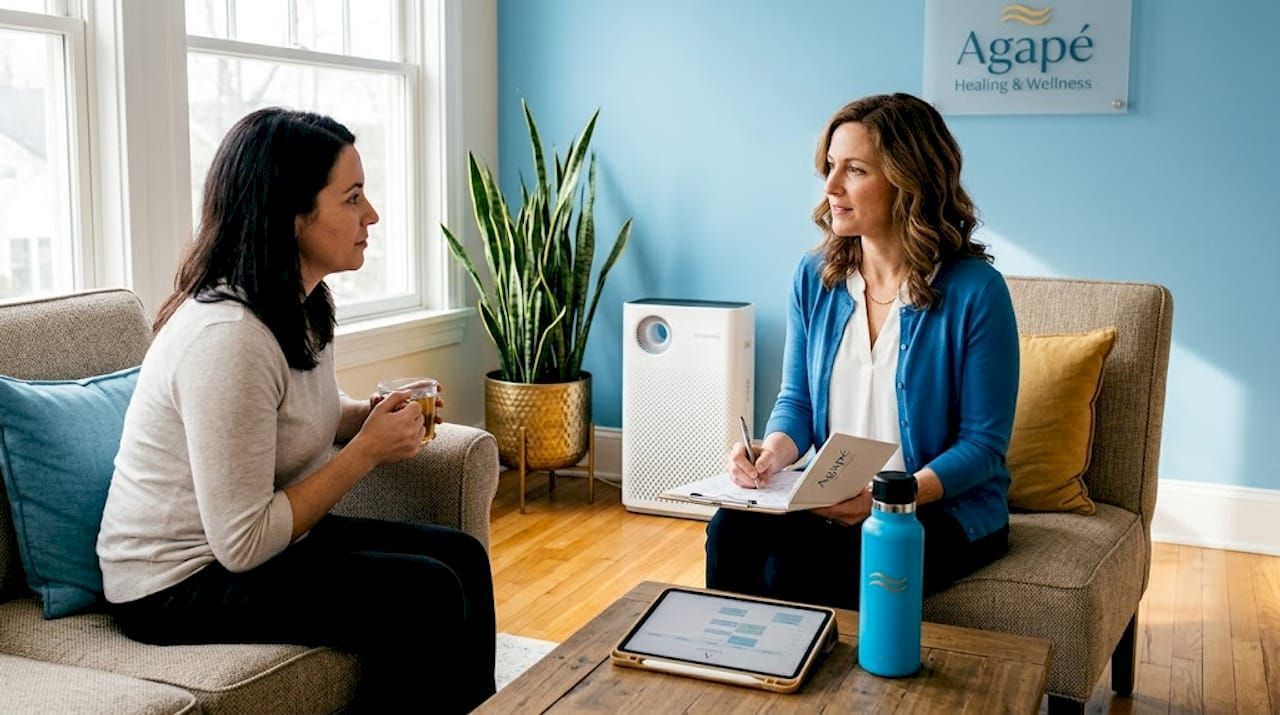
Patient-centered care, often shortened to PCC, is not just a philosophy buzzword. It is a structured approach to health that puts your values, preferences, and lived experience at the center of every decision. Instead of handing you a prescription and sending you on your way, PCC invites you into a genuine partnership with your care provider.
At its core, PCC is built around three principles:
- Your values guide treatment. Care aligns with your preferences and needs, not just clinical convenience.
- You share in decision-making. Options are explained, your input is requested, and your goals shape the plan.
- Care is personalized. One-size-fits-all protocols are replaced with therapies matched to your body, lifestyle, and health history.
In a chronic pain or wellness setting, this looks very different from a standard clinic visit. Your provider listens to how pain affects your sleep, your mood, your work, and your relationships. They ask what matters most to you. They consider whether a comprehensive wellness approach fits your situation before recommending any single treatment.
Empathy is not a soft skill here. It is a clinical tool. Research shows that empathic providers produce measurably better outcomes. When patients feel heard, they follow through on their plans, report less pain, and engage more actively in their own recovery.
"Patient-centered care is not simply about being kind. It's about recognizing that the person in front of you has a body, a history, and a context that no protocol can fully capture."
This framing matters especially for people dealing with conditions like fibromyalgia, lower back pain, or systemic inflammation. These are not problems that a single drug solves. They require layered, thoughtful holistic pain management strategies that evolve as you do.
PCC also recognizes that chronic pain is not purely physical. It has emotional, cognitive, and social dimensions. A patient-centered provider accounts for all of it. The result is a care experience that feels human, not transactional, and a treatment plan that actually fits your life.
How patient-centered care outperforms standard approaches
Understanding what PCC is, it's important to see how it performs versus traditional care. The numbers tell a compelling story.
Higher patient satisfaction, better pain control, and improved daily function are consistent outcomes linked to PCC across multiple studies. People receiving patient-centered care report feeling more in control, less anxious about their condition, and more likely to stick with their treatment plan long term.
Here is how PCC compares to conventional chronic pain treatment:
| Factor | Patient-centered care | Standard care** |
|---|---|---|
| Patient satisfaction | High | Often moderate |
| Pain control | Better long-term relief | Often medication-dependent |
| Treatment personalization | Core feature | Limited |
| Quality of life improvements | Strong evidence | Variable |
| Patient involvement | Active and collaborative | Often passive |
| Risk of opioid dependence | Lower | Higher |
**Standard care here refers to medication-first or surgery-first protocols without shared decision-making.
It is worth being honest about limitations too. Evidence for some alternatives within PCC frameworks, like certain supplements or less-studied bodywork techniques, is modest or inconsistent. PCC does not mean anything goes. It means the best available options are matched to your specific situation.
Pro tip: If you are evaluating a new provider, ask two questions upfront: "How will you involve me in my treatment decisions?" and "How do you tailor care to my specific goals?" Their answers will tell you quickly whether they practice genuine PCC or just use the label.
The contrast with holistic vs conventional medicine becomes especially clear when you look at long-term outcomes. Standard protocols that rely on opioids or surgeries often address symptoms without touching root causes. PCC, by integrating holistic therapies and pain solutions, targets both the source of pain and the whole person experiencing it.
integrating holistic and non-invasive therapies
With PCC outperforming traditional care, let's examine how holistic practices strengthen the patient-centered model. Non-invasive therapies are not fringe alternatives in this context. They are evidence-informed tools that, when matched to the right person, can produce meaningful relief.
Mind-body practices and anti-inflammatory diets provide modest but real benefit for chronic pain within patient-centered frameworks. The key word is "modest." These therapies are not miracle cures. But when integrated thoughtfully, they reduce medication dependence, improve function, and support long-term wellness.
Here is a quick overview of common holistic therapies used in PCC settings:
| therapy | Primary benefit | evidence level |
|---|---|---|
| acupuncture | Pain reduction, inflammation | moderate |
| mindfulness meditation | Pain perception, anxiety | moderate to strong |
| yoga and movement | flexibility, mood, pain | moderate |
| anti-inflammatory diet | inflammation, systemic pain | growing body of evidence |
| Red light therapy | cellular repair, tissue healing | early to moderate |
How do you actually build this into a plan? Here is a practical sequence:
- Start with an honest assessment. Work with your provider to identify your pain triggers, lifestyle factors, and priorities. Tools like lifestyle changes for pain can guide this step.
- Layer in dietary changes. Anti-inflammatory nutrition is often the fastest-acting lifestyle change with the widest impact on systemic pain.
- Add a mind-body practice. Start with just 10 minutes of guided mindfulness or gentle yoga daily. Small habits compound over time.
- Consider targeted therapies. Based on your condition, explore options like acupuncture, red light therapy, or detox protocols with your provider.
- Review and adjust regularly. PCC is not set-and-forget. Check in monthly to assess what is working and what needs to shift.
The advantages of alternative healing become clearest when these therapies are combined intentionally rather than tried randomly. A plan that connects the dots between your diet, movement, stress response, and targeted treatments is far more effective than any single intervention used in isolation.
addressing challenges and what patients should know
As holistic therapies are blended into patient-centered care, it's equally crucial to acknowledge and navigate existing challenges. Not everything is straightforward, and pretending otherwise would not serve you well.
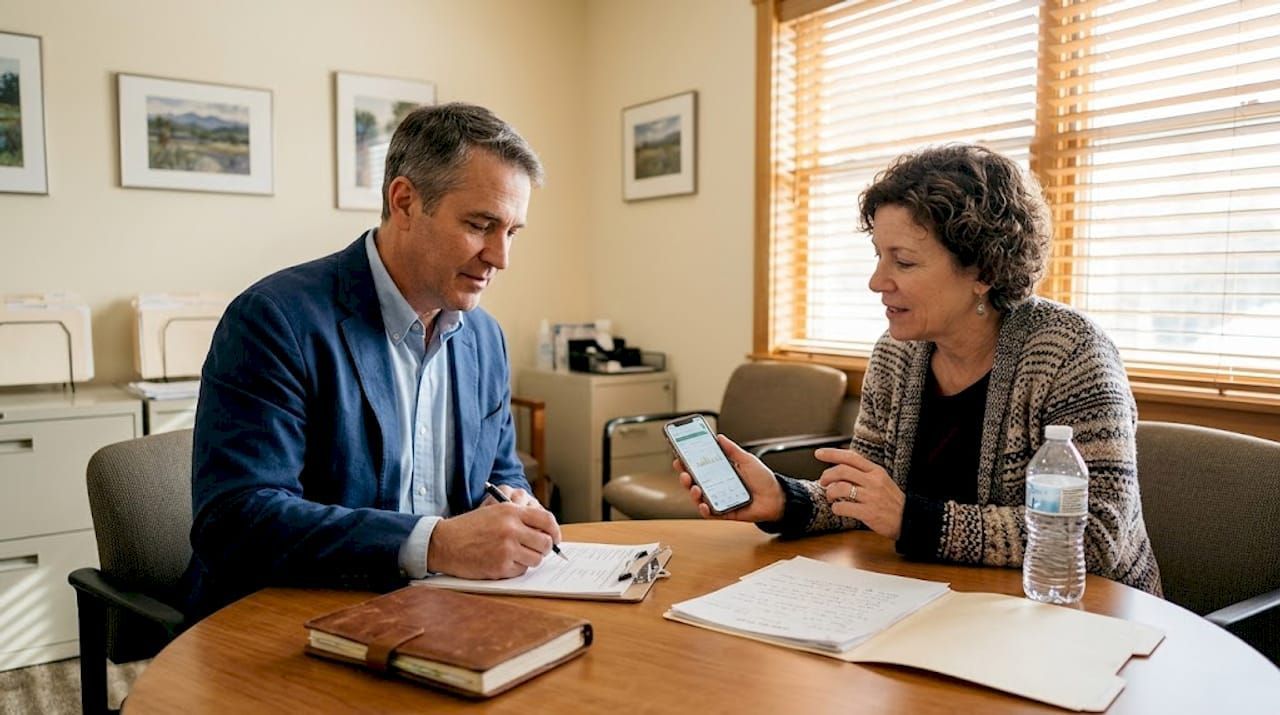
One of the most significant gaps in PCC is the difference in priorities between providers and patients. Research shows that doctors tend to focus on the overall clinical picture, while patients prioritize cost, how treatments affect their body image, and their satisfaction with the experience. Neither perspective is wrong. But when these priorities are not explicitly discussed, important decisions get made without full alignment.
Other common challenges include:
- Evidence gaps. Some popular alternative therapies lack strong clinical trials. This does not mean they don't work, but it means you need to weigh benefits carefully.
- Access and cost. Not all holistic therapies are covered by insurance. Budget constraints are real and deserve honest conversation.
- Provider inconsistency. Some clinics say they offer PCC but still use rigid, one-size-fits-all protocols. True PCC requires ongoing flexibility.
- Self-advocacy fatigue. Speaking up about your needs in a medical setting can be exhausting, especially when you are already in pain.
Pro tip: Before your next appointment, write down three things: what your biggest pain-related goal is, what you are NOT willing to do or take, and one question about a therapy you have been curious about. This simple preparation shifts the dynamic and makes your natural chronic pain solutions conversation far more productive.
Navigating these gaps is easier when you have a multidisciplinary team. Look for providers who communicate with each other, welcome your questions, and treat your preferences as data points rather than obstacles.
Why patient-centered care works—if you make it truly holistic
Here is the uncomfortable reality: most clinics that claim to offer PCC are not actually doing it. They ask a few extra questions, maybe mention mindfulness, and then write the same prescriptions they always have. That is not patient-centered care. That is patient-centered language wrapped around a conventional framework.
True PCC demands something harder. It requires providers to genuinely restructure how they spend time, gather information, and make recommendations. And it requires patients to show up as active participants, not passive recipients.
At transformative wellness approach practices, the difference shows up in how sessions run. Instead of 12-minute appointments, you get enough time for real conversation. Instead of generic advice, you get a plan built around your specific pain patterns, lifestyle, and goals.
The contrarian truth is this: the therapy itself is often less important than the relationship and context around it. Red light therapy works better when a patient understands why they are doing it and feels ownership over the plan. Diet changes stick when they are chosen, not prescribed. The integrative, individualized approach is not a soft add-on to real medicine. It is the thing that makes the medicine work.
Take the first step toward holistic, patient-centered healing
If you have been managing chronic pain through medications that dull symptoms without addressing causes, or simply waiting for things to get better on their own, there is a more effective path available to you right here in Carson City.
Agapé healing & wellness offers personalized, non-invasive therapies built around your specific health goals. Whether you are exploring red light therapy for tissue repair and inflammation, or ready to build a sustainable wellness plan through wellness coaching , every service is designed to treat you as a whole person, not a list of symptoms. The first conversation is where real change begins. Let's start it.
frequently asked questions
How does patient-centered care differ from traditional pain management?
Patient-centered care prioritizes your values and choices, often integrating holistic and non-invasive therapies, while traditional care relies on standard protocols and medications.
What are some examples of holistic therapies in patient-centered care?
Examples include acupuncture, mindfulness therapies, yoga, nutrition-focused plans, and red light therapy, each tailored to individual needs rather than applied as a blanket solution.
Does patient-centered care actually improve chronic pain outcomes?
Yes, studies show PCC leads to better function and satisfaction compared to standard treatments like opioids or surgery.
Are all alternative therapies in PCC proven to work?
Not all are strongly supported by evidence. Benefits tend to be modest and vary by therapy, so discussing options with your provider before committing is essential.
Recommended