What Is Wellness Coaching and Why It Matters

Nearly 60 percent of American adults struggle with ongoing pain that disrupts their daily lives and energy. For those in Carson City seeking natural solutions, discovering holistic wellness coaching can open doors to vitality beyond conventional medicine. This approach offers more than surface-level relief, guiding you toward personalized strategies for lasting change. Learn what sets evidence-based coaching apart—and clear up common misconceptions about health transformation through non-invasive therapies.
Table of Contents
Key Takeaways
| Point | Details |
|---|---|
| Wellness Coaching Definition | Wellness coaching is a patient-centered approach focusing on self-discovery and behavior change. |
| Distinction from Other Approaches | Unlike therapy or medical advice, wellness coaching emphasizes client empowerment and lifestyle modifications. |
| Coaching Models | Individual and group coaching options each provide unique benefits tailored to client needs. |
| Core Principles | Active listening and evidence-based strategies are crucial for fostering client engagement and growth. |
Defining Wellness Coaching and Common Misconceptions
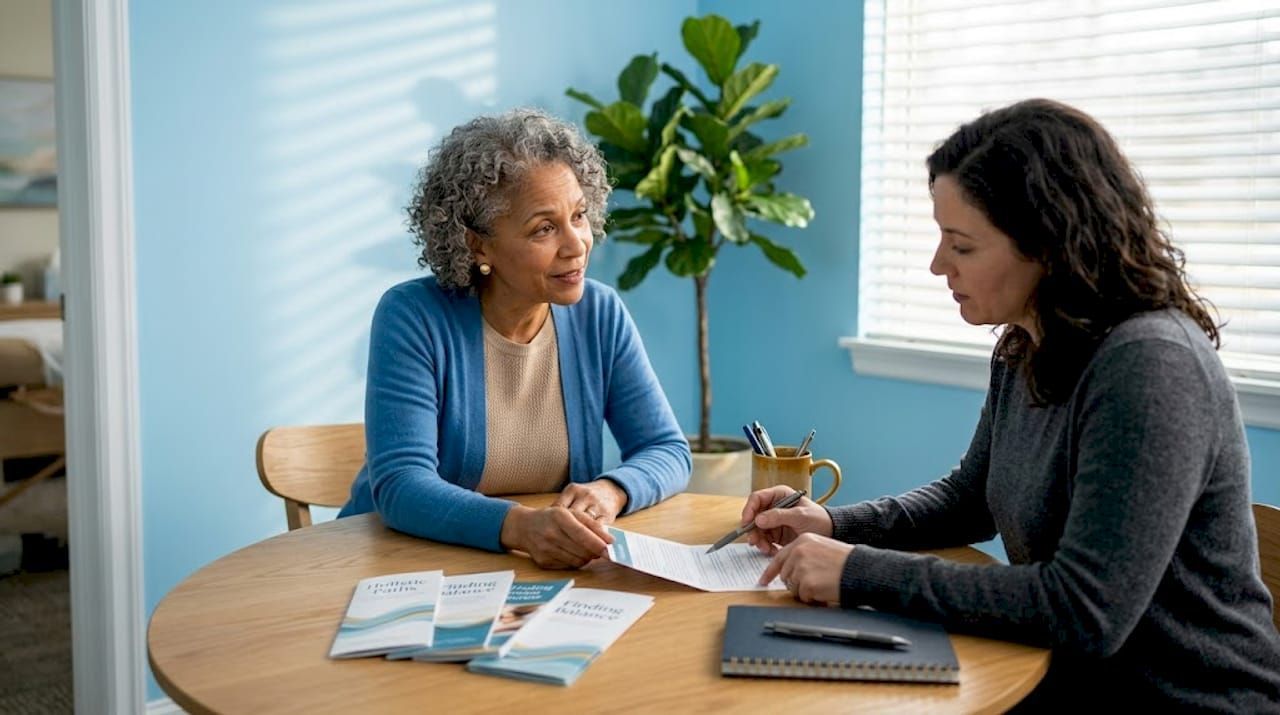
Wellness coaching represents a transformative approach to personal health that goes far beyond traditional medical advice. At its core, health and wellness coaching is a patient-centered methodology where individuals actively participate in designing their own wellness journey through self-discovery and intentional behavior change.
Unlike conventional consulting or therapy, wellness coaching operates on a unique partnership model. Coaches do not simply prescribe solutions but instead help clients explore their intrinsic motivations, identify personal barriers, and develop sustainable strategies for holistic improvement. Personalized wellness plans address multiple life dimensions, including stress management, relationship dynamics, financial well-being, and physical health.
Common misconceptions about wellness coaching often stem from misunderstanding its fundamental approach. Many people mistakenly believe wellness coaches are medical professionals who provide direct medical advice. In reality, these professionals are trained facilitators who help clients unlock their own potential for change, utilizing evidence-based communication techniques and behavioral science principles to support personal transformation.
Pro tip: When selecting a wellness coach, prioritize someone who demonstrates active listening skills and asks powerful, reflective questions that challenge you to think differently about your health goals.
Key Features and Fundamental Principles Explained
Wellness coaching is grounded in a set of core principles that distinguish it from traditional healthcare approaches. Credentialed behavior change agents are trained to facilitate meaningful, sustainable transformations by empowering clients to take an active role in their personal health journey. These professionals go beyond simple advice-giving, focusing instead on collaborative partnerships that unlock an individual’s intrinsic potential for growth.
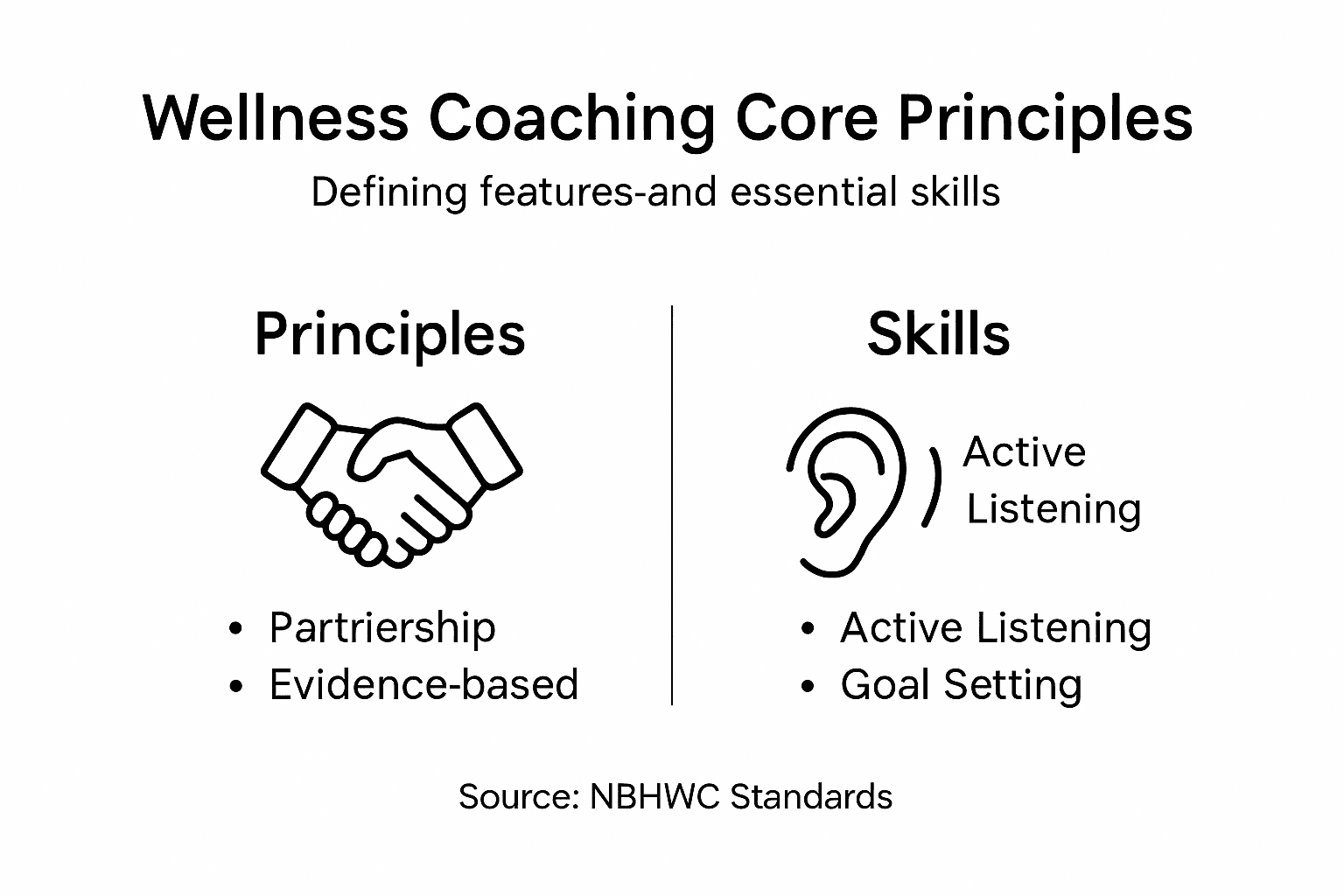
The fundamental principles of wellness coaching center on several key elements. First, coaches employ evidence-based communication strategies such as motivational interviewing and strategic goal setting. Health coaching techniques prioritize client autonomy, helping individuals identify their unique strengths and develop achievable health objectives aligned with their personal values. This approach covers multiple wellness dimensions, including nutrition, sleep patterns, physical movement, stress management, and emotional well-being.
Unlike medical professionals, wellness coaches do not diagnose or prescribe treatments. Instead, they serve as supportive guides who help clients navigate complex lifestyle changes. Their role involves active listening, asking powerful questions, and creating a safe environment for self-discovery. By respecting each client’s individual journey and motivation, coaches help develop personalized strategies that lead to lasting behavioral transformation.
Pro tip: Before beginning wellness coaching, spend time reflecting on your core values and long-term health aspirations to maximize the effectiveness of your coaching experience.
Types of Wellness Coaching: Individual And Group Approaches
Wellness coaching approaches are strategically designed to accommodate diverse client needs through two primary engagement models: individual and group coaching. These formats offer unique benefits, allowing individuals to select the approach that best aligns with their personal learning style, motivation, and wellness objectives.
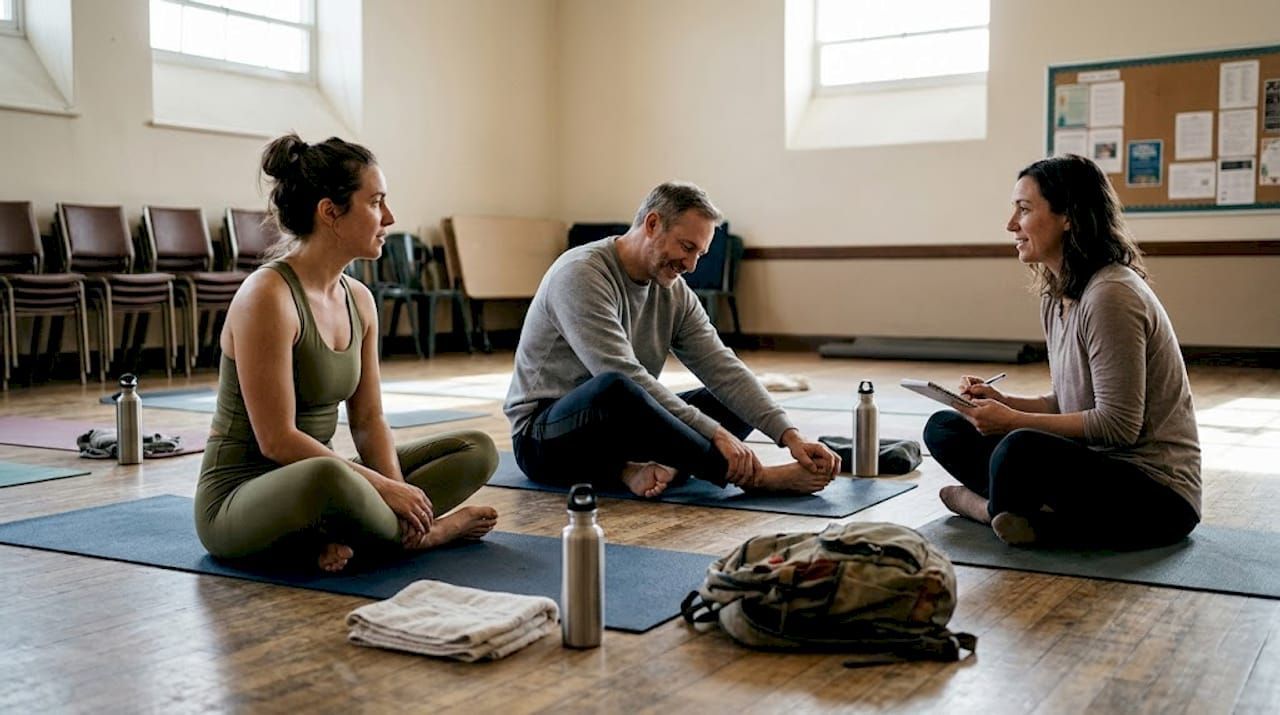
In individual coaching, the focus is intensely personalized. Coaches work one-on-one with clients, developing deeply tailored strategies that address specific health challenges and personal goals. This approach provides maximum accountability, allowing for nuanced exploration of individual barriers, intrinsic motivations, and customized action plans. Group coaching strategies offer a complementary experience, leveraging the power of collective support and shared experiences to enhance motivation and learning. Group settings create a collaborative environment where participants can draw inspiration from peers, share challenges, and build a supportive community around wellness transformation.

Each coaching approach carries distinct advantages. Individual coaching delivers precise, personalized guidance with undivided coach attention, while group coaching introduces social dynamics that can accelerate behavioral change through peer encouragement and collective accountability. The choice between these approaches depends on personal preference, learning style, budget considerations, and specific wellness objectives. Some clients even combine both formats to maximize their wellness journey, utilizing individual sessions for deep personal work and group sessions for broader perspective and community support.
Pro tip: Assess your learning style, comfort with group interactions, and specific wellness goals before selecting between individual and group coaching approaches to ensure the most effective experience.
Core Process: Partnering for Lasting Change
Health coaching fundamentally transforms traditional client-professional interactions by establishing a collaborative partnership focused on sustainable personal growth. Unlike directive approaches, this model empowers individuals to become active architects of their own wellness journey, creating meaningful and lasting behavioral changes through mutual trust and shared commitment.
The core coaching process begins with building deep, authentic rapport. Coaches employ advanced communication techniques such as mindful listening and reflective questioning to help clients uncover their genuine motivations and potential barriers. Wellness coaching partnerships are characterized by a non-judgmental environment where clients feel safe exploring their challenges, identifying personal strengths, and developing realistic, actionable strategies for transformation.
Continuous support represents the cornerstone of this collaborative approach. Coaches provide ongoing accountability, helping clients navigate setbacks, celebrate progress, and maintain momentum toward their wellness objectives. This dynamic process involves regular check-ins, goal reassessment, and adaptive strategies that evolve alongside the client’s changing needs and circumstances. By focusing on the client’s inherent capabilities and fostering self-efficacy, wellness coaches guide individuals toward sustainable lifestyle improvements that extend far beyond short-term interventions.
The following table summarizes key components of the wellness coaching partnership:
| Component | Wellness Coach Role | Client Involvement |
|---|---|---|
| Goal Setting | Guides and refines vision | Articulates personal health goals |
| Accountability | Provides ongoing encouragement | Tracks progress and adapts habits |
| Communication | Uses active listening and questioning | Shares honestly and reflects |
| Action Planning | Supports strategy development | Implements and adjusts action steps |
Pro tip: Approach your wellness coaching relationship with radical honesty and openness, recognizing that vulnerability is the pathway to meaningful personal transformation.
Qualifications, Ethics, and Legal Boundaries
Health and wellness coaching requires strict professional standards that protect both clients and practitioners. Credentialed coaches undergo rigorous training to ensure they operate with the highest levels of ethical integrity, maintaining clear boundaries between coaching and medical intervention. These professionals are trained to provide guidance without overstepping critical legal and professional lines.
The National Board Certification process establishes comprehensive professional standards that define the scope of wellness coaching practice. Coaches are explicitly trained to avoid medical diagnosis, prescription, or treatment recommendations, functioning instead as skilled facilitators of behavioral change. Legal regulations for health coaching vary by region, requiring coaches to understand and respect their professional limitations while maintaining collaborative relationships with healthcare providers. This approach ensures clients receive supportive guidance that complements, rather than replaces, traditional medical care.
Ethical practice lies at the core of wellness coaching professional standards. Coaches commit to fundamental principles including client autonomy, confidentiality, and respect for individual differences. They are trained to recognize their professional boundaries, prioritize client well-being, and maintain transparent communication about the nature and limits of their coaching relationship. This commitment protects clients and ensures that coaching remains a supportive, empowering process focused on sustainable personal transformation.
Pro tip: Always verify a wellness coach’s credentials and professional certifications before beginning your coaching journey, ensuring they adhere to recognized national standards of practice.
Comparing Wellness Coaching to Other Approaches
Wellness coaching emerges as a distinctly targeted approach to personal health, differentiating itself from broader personal development methodologies through its specific focus on holistic health behaviors. Unlike generic life coaching that spans career, relationships, and personal organization, wellness coaching zeroes in on tangible health outcomes including nutrition, physical activity, stress management, and emotional well-being.
The fundamental distinction lies in the approach and objectives. Traditional therapy typically explores past experiences and psychological patterns, while medical consultations focus on diagnosing and treating specific conditions. Coaching strategies stand apart by emphasizing client-driven, forward-looking transformation. Wellness coaches do not prescribe treatments or diagnose disorders; instead, they facilitate self-directed change through evidence-based behavioral science techniques, motivational interviewing, and personalized strategy development.
Where other approaches might offer generalized advice or clinical interventions, wellness coaching creates a unique collaborative partnership. The goal is not to fix a problem but to empower individuals in developing sustainable lifestyle modifications. Coaches serve as skilled facilitators who help clients unlock their intrinsic motivation, identify personal barriers, and design actionable plans tailored to their specific health and wellness objectives. This method respects individual autonomy while providing structured, science-based support for meaningful personal transformation.
Here’s a concise comparison of wellness coaching, traditional therapy, and medical consultations:
| Aspect | Wellness Coaching | Traditional Therapy | Medical Consultations |
|---|---|---|---|
| Main Focus | Behavior change and self-discovery | Emotional and psychological issues | Diagnosis and treatment |
| Approach | Collaborative partnership | Analytical and reflective | Directive and prescriptive |
| Professional Role | Facilitator and motivator | Counselor or therapist | Doctor or clinician |
| Outcome Goal | Sustainable lifestyle improvements | Mental health resolution | Disease management |
Pro tip: Before selecting a coaching approach, clearly define your specific goals and assess whether you need targeted health guidance or broader life development support.
Experience True Wellness Coaching That Transforms Your Life
If you are searching for a way to break free from the cycle of ineffective health advice and want to take charge of your wellness journey, understanding the power of a collaborative partnership is key. This article highlights wellness coaching as a personalized and evidence-based process that helps you uncover your intrinsic motivation, set meaningful goals, and sustain lasting lifestyle changes. At Agapé Healing & Wellness, we share that same commitment to your unique path toward holistic health.
Discover how our expert wellness coaching, combined with innovative therapies like Cellsonic Therapy and Red Light Therapy, can address the root causes of your health concerns without invasive procedures. Our approach respects your autonomy and supports you with a custom plan that includes diet, exercise, and advanced natural treatments. Visit Agapé Healing & Wellness to learn more about how our dedicated team helps you build sustainable health habits through personalized coaching. Start your transformation today and embrace a life of renewed vitality by partnering with wellness experts who truly listen. Take the first step now at Agapé Healing & Wellness.
Frequently Asked Questions
What is wellness coaching?
Wellness coaching is a patient-centered methodology where individuals actively participate in their personal health journey through self-discovery and intentional behavior change, unlike traditional medical advice.
How does wellness coaching differ from traditional therapy?
Wellness coaching focuses on behavior change and self-discovery through a collaborative partnership, while traditional therapy typically explores past experiences and psychological issues.
What are the main benefits of individual versus group wellness coaching?
Individual coaching offers personalized strategies and maximum accountability, while group coaching provides collective support and shared experiences to enhance motivation and learning.
What qualifications should I look for in a wellness coach?
It is crucial to verify a wellness coach’s credentials and professional certifications to ensure they adhere to recognized national standards of practice and operate with ethical integrity.
Recommended
- Holistic Health & Wellness Coaching in Carson City, Nevada
- Holistic Approach to Health | Natural Healing & Wellness Solutions.
- Personalized Diet and Exercise Plans | Healthy Detox
- Agapé Healing & Wellness | Alternative Healing & Holistic Health Coaching in Carson City
- Mental Health Care for The Career Woman - Dr. Stephen Oreski & Associates
- How to Build a Wellness Stack for Personalized Results