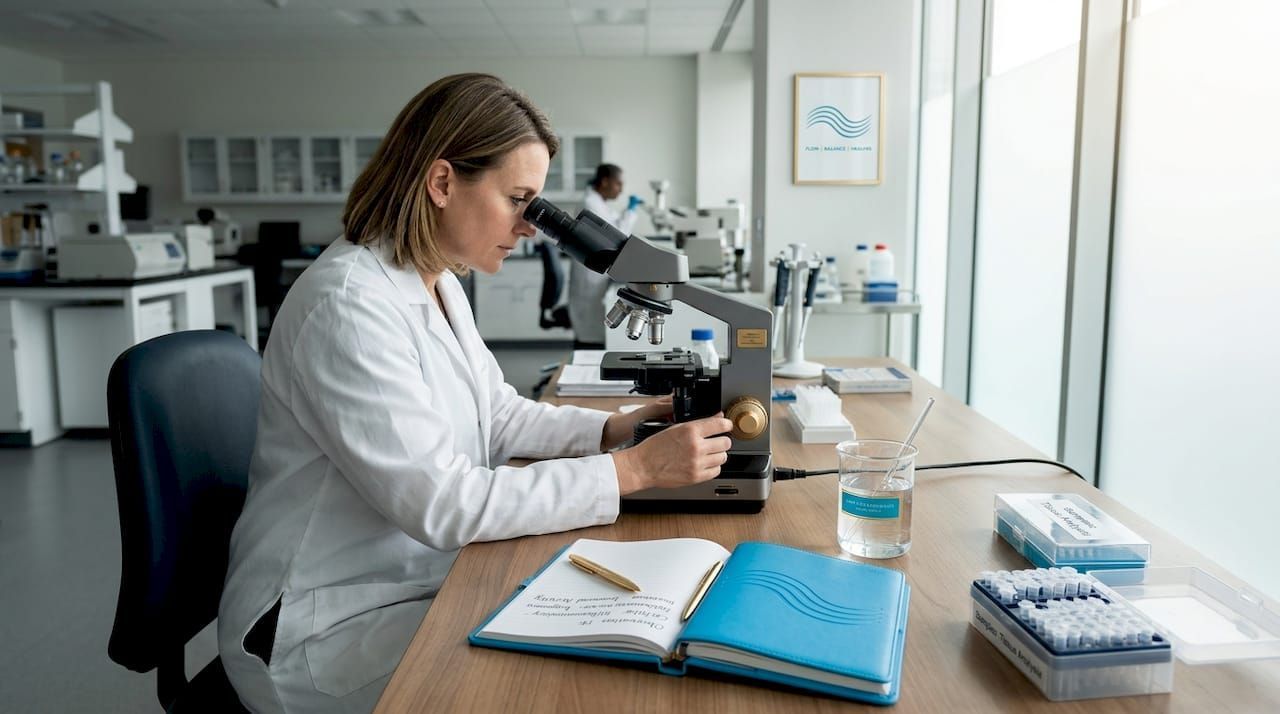
Guide to non-invasive therapies for chronic pain relief
Chronic pain affects millions of people who seek relief beyond pharmaceuticals and surgery. Many individuals in Carson City and Reno are turning to non-invasive alternative therapies that promote natural healing, cellular repair, and lasting wellness. This comprehensive guide walks you through understanding, preparing for, and successfully using evidence-backed therapies like laser treatment, PEMF, and magnetotherapy. You'll learn how to choose the right approach, prepare properly, apply treatments effectively, and monitor your progress for optimal pain relief and improved quality of life.
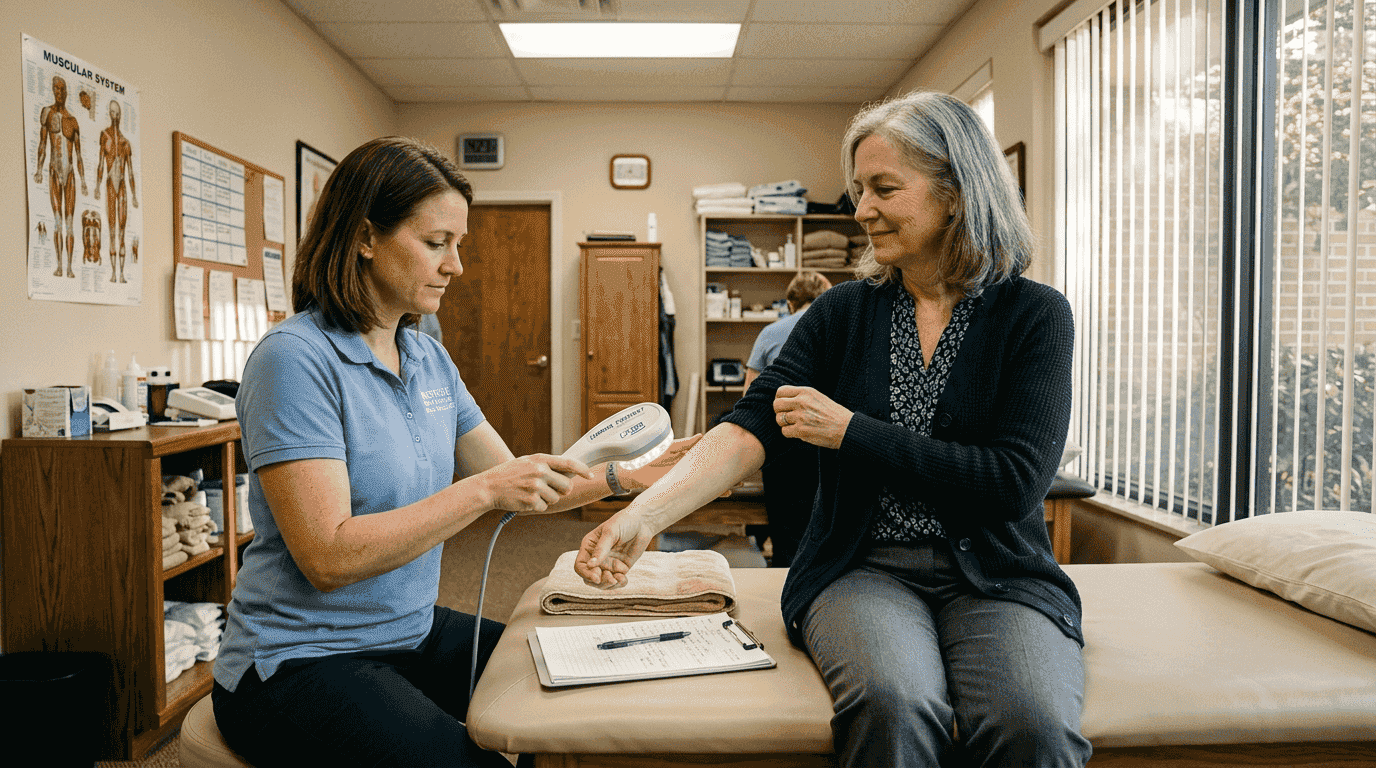
Table of Contents
- Understanding Common Non-Invasive Therapies And Their Benefits
- Preparing To Start Non-Invasive Therapy: What You Need To Know
- Step-By-Step Guide To Applying Non-Invasive Therapies Effectively
- Monitoring Progress And Verifying Therapy Effectiveness
- Explore Advanced Non-Invasive Therapies At Agapé Healing & Wellness
Key takeaways
| Point | Details |
|---|---|
| Non-invasive therapies reduce pain | These therapies promote cellular repair and reduce inflammation naturally without drugs or surgery. |
| Scientific evidence supports effectiveness | Laser, PEMF, and magnetotherapy have documented benefits for chronic pain and tissue healing. |
| Proper preparation maximizes results | Understanding therapy options and working with certified practitioners ensures safety and effectiveness. |
| Combining therapies enhances outcomes | Integrating natural therapies with wellness coaching and lifestyle changes supports comprehensive health. |
Understanding common non-invasive therapies and their benefits
Non-invasive therapies offer powerful alternatives for managing chronic pain and promoting healing without pharmaceutical interventions or surgical procedures. These approaches work by stimulating your body's natural repair mechanisms at the cellular level, addressing root causes rather than masking symptoms. Understanding how each therapy functions helps you make informed decisions about your healing journey.
Low-Level Laser Therapy, also called Photobiomodulation, uses specific wavelengths of light to penetrate tissue and stimulate cellular activity. This process reduces chronic pain by modulating cellular activity and promoting tissue repair through enhanced mitochondrial function. The therapy increases ATP production, which powers cellular repair and regeneration. Patients typically experience reduced inflammation, improved circulation, and accelerated healing of damaged tissues.
Pulsed Electromagnetic Field Therapy delivers electromagnetic pulses that interact with your cells to restore optimal electrical charges. Research shows PEMF enhances cellular repair by stimulating natural healing processes throughout the body. This therapy improves cellular metabolism, increases oxygen uptake, and supports the removal of waste products from tissues. Many people find PEMF particularly effective for bone healing, reducing inflammation, and managing chronic musculoskeletal conditions.
Magnetotherapy applies static or pulsed magnetic fields to affected areas, influencing biological processes at multiple levels. Studies demonstrate that magnetotherapy influences microcirculation, neural conductivity, inflammation, and tissue repair through complex interactions with cellular components. The therapy modulates nerve activity to reduce pain signals while improving blood flow to damaged areas. This dual action makes magnetotherapy valuable for conditions involving both pain and impaired circulation.
| Therapy Type | Primary Mechanism | Key Benefits | Typical Applications |
|---|---|---|---|
| Laser Therapy | Light energy absorption | Tissue repair, pain reduction | Soft tissue injuries, arthritis |
| PEMF Therapy | Electromagnetic stimulation | Cellular metabolism, bone healing | Fractures, chronic pain |
| Magnetotherapy | Magnetic field influence | Circulation, nerve modulation | Inflammation, neuropathic pain |
These therapies share several important characteristics that make them attractive options for chronic pain management:
- Completely non-invasive with no incisions or injections required
- Minimal to no side effects when properly administered
- Can be used alongside conventional medical treatments
- Address underlying cellular dysfunction rather than symptoms alone
- Suitable for long-term use without developing tolerance
Exploring best non-invasive therapies for chronic pain relief helps you understand which approaches align with your specific health goals. Learning why choose natural therapy over conventional options empowers informed decision-making. The benefits of natural healing through non-invasive methods extend beyond pain relief to support overall wellness and vitality.
Pro Tip: Research local certified practitioners who specialize in your chosen therapy to ensure proper treatment protocols and optimal safety throughout your healing journey.
Preparing to start non-invasive therapy: what you need to know
Proper preparation sets the foundation for successful therapy outcomes and ensures you maximize the benefits of your chosen treatment approach. Taking time to understand requirements, set realistic expectations, and establish clear communication with healthcare providers creates an optimal environment for healing. This preparation phase is just as important as the therapy itself.
Before beginning any non-invasive therapy, consult with qualified healthcare providers who can assess your specific condition and medical history. They'll evaluate whether certain therapies are appropriate given your current health status, medications, and treatment goals. This screening process identifies any contraindications and helps customize your treatment plan for maximum effectiveness and safety.
Follow these essential preparation steps to ensure you're ready for therapy:
- Research available therapy options thoroughly, understanding mechanisms, expected outcomes, and time commitments required for each approach.
- Choose a certified provider with documented training and experience in your selected therapy modality.
- Discuss all current medications, supplements, and health conditions with your practitioner to identify potential interactions or concerns.
- Set clear, measurable goals for your therapy such as specific pain reduction targets or functional improvements you want to achieve.
- Arrange your schedule to accommodate recommended treatment frequency without interruptions that could compromise results.
- Prepare questions about what to expect during sessions, how to optimize results, and signs of progress to watch for.
While magnetotherapy and similar approaches are considered safe when following standardized protocols, proper administration remains critical. The effectiveness of these therapies depends significantly on correct application parameters. Experts note that standardized research protocols are still needed due to variability in treatment types and durations across different studies and clinical settings.
Several key factors influence your therapy success:
- Consistency in attending scheduled sessions without gaps that interrupt the healing process
- Complementary wellness habits including proper nutrition, hydration, and stress management
- Quality of devices and expertise of practitioners administering treatments
- Realistic expectations aligned with evidence-based outcomes for your specific condition
- Willingness to communicate openly about your response and any concerns that arise
Understanding how to start holistic healing naturally provides context for integrating therapy into a broader wellness strategy. Following essential tips for natural healing and wellness supports your body's innate healing capabilities alongside therapeutic interventions.
Pro Tip: Track your symptoms meticulously in a journal before starting therapy, noting pain levels, functional limitations, and quality of life measures to share with your practitioner for optimized treatment planning and adjustments.
Step-by-step guide to applying non-invasive therapies effectively
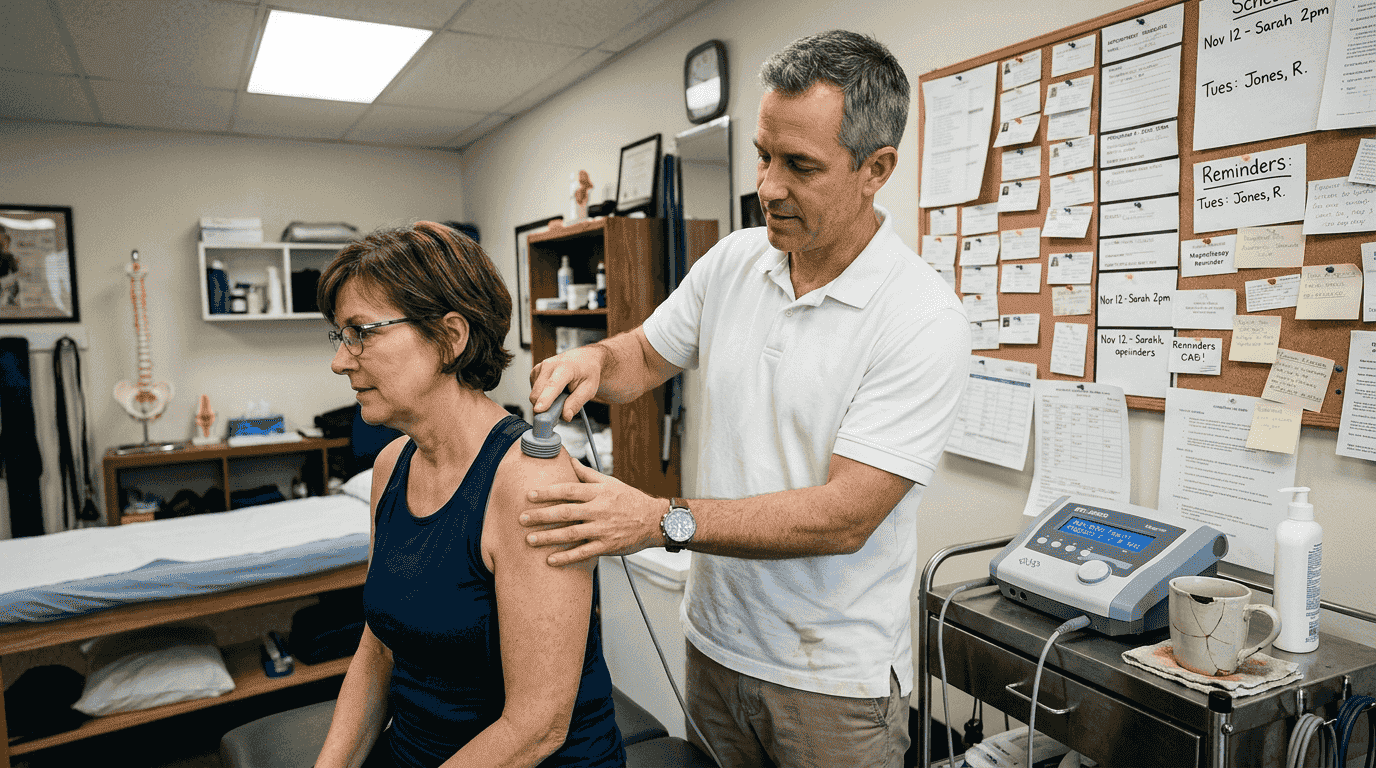
Successful therapy application requires following proper protocols, maintaining consistency, and avoiding common mistakes that can compromise results. Understanding the practical aspects of receiving treatments helps you get the most benefit from each session. This systematic approach ensures you're actively participating in your healing process rather than passively receiving care.
Follow these steps to prepare for and attend therapy sessions effectively:
- Arrive at appointments well-hydrated and having eaten a light meal to support your body's energy needs during treatment.
- Wear comfortable, loose-fitting clothing that allows easy access to treatment areas without restriction.
- Communicate any changes in symptoms, medications, or health status to your practitioner before each session begins.
- Remain relaxed and still during treatment to allow optimal energy delivery to targeted tissues.
- Follow post-session care instructions such as rest periods, hydration requirements, or activity modifications.
- Schedule follow-up appointments according to recommended frequency before leaving to maintain treatment momentum.
- Document your immediate response and any delayed effects that emerge in the hours or days following treatment.
Research demonstrates that PEMF therapy significantly improved pain and function scores for patients with knee osteoarthritis when applied consistently over several weeks. Similarly, studies show photobiomodulation produces consistent analgesic and neuroprotective effects in neuropathic pain models through multiple cellular mechanisms. These outcomes depend heavily on proper application and adherence to treatment protocols.
Avoid these common mistakes that can reduce therapy effectiveness:
- Skipping scheduled sessions or creating large gaps between treatments that interrupt healing momentum
- Using home devices incorrectly without proper training on placement, duration, and intensity settings
- Ignoring worsening symptoms or new concerns instead of promptly reporting them to your healthcare provider
- Expecting immediate dramatic results rather than understanding that cellular repair occurs gradually over time
- Failing to maintain complementary healthy lifestyle habits that support the therapy's effects
| Therapy | Typical Session Length | Recommended Frequency | Expected Initial Effects |
|---|---|---|---|
| PEMF | 20-30 minutes | 2-3 times weekly | Improved sleep, reduced stiffness within 1-2 weeks |
| Laser Therapy | 10-20 minutes | 2-4 times weekly | Pain reduction, increased mobility within 2-4 weeks |
| Magnetotherapy | 15-45 minutes | Daily to 3 times weekly | Enhanced circulation, decreased inflammation within 1-3 weeks |
Exploring alternative healing methods for chronic pain provides additional context for integrating multiple approaches. Understanding holistic chronic pain management strategies helps you create a comprehensive plan that addresses all aspects of your condition.
Maintain continuous communication with your healthcare provider throughout the treatment process. Share detailed observations about your response, including both improvements and any unexpected reactions. This feedback allows practitioners to adjust parameters like intensity, duration, or frequency to optimize your individual results. Your active participation in monitoring and reporting creates a collaborative healing partnership.
Pro Tip: Combine your chosen therapy with wellness coaching and targeted lifestyle adjustments such as anti-inflammatory nutrition and appropriate movement to enhance results and create lasting improvements beyond symptom management alone.
Monitoring progress and verifying therapy effectiveness
Tracking your response to therapy provides essential information for determining whether your current approach is working and when adjustments might be needed. Systematic monitoring transforms subjective feelings into objective data that guides treatment decisions. This process empowers you to take an active role in your healing while giving practitioners the information they need to optimize your care.
Recognize these indicators that suggest positive therapy response:
- Measurable reduction in pain intensity or frequency of pain episodes
- Increased range of motion and ability to perform daily activities with less difficulty
- Improved sleep quality and duration without pain-related interruptions
- Decreased reliance on pain medications or other symptom management strategies
- Enhanced overall energy levels and sense of wellbeing
- Reduced inflammation visible through decreased swelling or redness in affected areas
Medical thermography offers an objective tool to verify inflammation reduction and track healing progress. This non-invasive imaging technique detects inflammation patterns and monitors healing by measuring heat patterns associated with increased blood flow and metabolic activity. Thermographic images taken before and during treatment provide visual evidence of physiological changes occurring in response to therapy.
However, PEMF therapy effects require consistent monitoring due to individual variability in response patterns and the complexity of chronic pain conditions. What works excellently for one person may require modification for another. Regular assessment ensures you're on the right track and identifies when protocol adjustments could improve outcomes.
| Timeline | Expected Outcomes | Measurement Methods |
|---|---|---|
| 1-2 weeks | Initial symptom changes, improved sleep | Pain scales, sleep logs |
| 3-4 weeks | Noticeable pain reduction, functional gains | Range of motion tests, activity tracking |
| 6-8 weeks | Sustained improvements, lifestyle changes | Quality of life assessments, thermography |
| 12+ weeks | Long-term healing, reduced flare frequency | Comprehensive health evaluations |
Maintain a detailed therapy journal that logs multiple dimensions of your experience. Record pain levels using a consistent 0-10 scale at the same time each day. Note functional abilities like how far you can walk, how long you can stand, or what activities you can complete without increased pain. Track overall wellbeing factors including mood, energy, and sleep quality. This comprehensive record reveals patterns that might not be obvious from memory alone.
Adopting a comprehensive wellness approach that integrates therapy with other health-promoting practices supports better outcomes and more accurate progress assessment. Your journal should capture all interventions, not just formal therapy sessions, to understand which combination of factors contributes most to your improvement.
Consult your practitioner if progress stalls after an initial improvement period or if symptoms worsen despite consistent treatment. These situations may indicate the need for parameter adjustments, additional diagnostic evaluation, or a different therapeutic approach. Early communication about plateaus or setbacks allows for timely modifications rather than continuing ineffective protocols.
Pro Tip: Keep your therapy journal accessible and review it weekly to identify trends in your response, noting correlations between treatment timing, lifestyle factors, and symptom patterns to share insights with your healthcare team for data-driven treatment optimization.
Explore advanced non-invasive therapies at Agapé Healing & Wellness
If you're ready to experience the healing power of advanced non-invasive therapies, Agapé Healing & Wellness in Carson City offers cutting-edge solutions tailored to your unique needs. Our practice specializes in evidence-based approaches that address chronic pain and promote cellular repair without pharmaceuticals or surgery.
We provide CellSonic therapy, an innovative treatment that uses acoustic waves to stimulate healing at the cellular level. Our red light therapy harnesses specific wavelengths to reduce inflammation and accelerate tissue repair. Beyond individual therapies, our holistic health and wellness coaching helps you integrate natural healing into sustainable lifestyle changes that support long-term vitality. Contact us today to discuss which therapies align with your health goals and start your personalized healing journey.
FAQ
What types of chronic pain can non-invasive therapies help?
Non-invasive therapies effectively address musculoskeletal pain, neuropathic pain, soft tissue injuries, and inflammation-related discomfort. They are widely used for conditions like arthritis, nerve pain, chronic injuries, and post-surgical recovery. These therapies work by targeting the underlying cellular dysfunction that perpetuates pain rather than simply masking symptoms.
How long does it take to see results from therapies like PEMF or laser?
Many patients report noticeable pain relief within a few weeks of consistent treatment, though individual timelines vary based on condition severity and chronicity. Research shows PEMF therapy improved pain scores significantly within weeks when applied according to proper protocols. Functional improvements often follow initial pain reduction as tissues heal and inflammation decreases.
Are there any risks or side effects associated with these therapies?
Non-invasive therapies generally carry low risk when administered correctly by trained practitioners. Possible minor effects include temporary skin irritation at treatment sites or brief symptom fluctuations as your body adjusts to therapy. Studies confirm magnetotherapy is considered safe when proper protocols are followed. Always consult your healthcare provider before starting new therapies, especially if you have implanted devices or are pregnant.
Can non-invasive therapies be combined with other treatments?
Many non-invasive therapies complement conventional medical treatments and lifestyle modifications effectively. Research indicates combining non-pharmaceutical therapies enhances proactive health management when integrated thoughtfully into comprehensive care plans. Integrating therapies with wellness coaching, proper nutrition, and appropriate exercise supports better overall outcomes. Always discuss combining therapies with your healthcare provider to ensure compatibility and optimize your treatment strategy.
Recommended
- 7 Best Non-Invasive Therapies for Chronic Pain Relief
- Alternative Healing Methods Guide for Chronic Pain Relief
- Why Choose Natural Therapy for Chronic Pain Relief
- Holistic Detox Methods: Natural Relief for Chronic Pain
- Is CBD Good for Tooth Pain? A Detailed Guide to Relief and Safety – Stop Oral Care
- How To Reduce Inflammation with Collagen