Lifestyle adjustments: 21% of adults can find chronic pain relief
TL;DR:
- Lifestyle adjustments like diet, sleep, exercise, and mindfulness can significantly reduce chronic pain.
- Combining multiple habits creates a synergy that leads to greater and more sustainable pain relief.
- Local holistic clinics offer personalized support to help implement and maintain these lifestyle changes effectively.
Nearly 21% of U.S. adults live with chronic pain, and that number hits close to home for many people in Carson City and Reno. Most assume the only real options are prescription medications or surgical procedures. But science tells a different story. Evidence consistently shows that targeted lifestyle adjustments, things like what you eat, how you sleep, and how you move, can meaningfully reduce pain and improve how you feel day to day. This article breaks down the core pillars, explains how they work inside your body, and gives you practical steps to start applying them right here in Northern Nevada.

Table of Contents
- Understanding the core pillars of lifestyle adjustments
- How lifestyle changes influence biological and psychological processes
- Empirical evidence: What studies and local experts reveal
- Practical steps: Integrating lifestyle changes in Carson City and Reno
- Our take: Holistic wellness is local, layered, and personal
- Connect with expert holistic wellness solutions
- Frequently asked questions
Key Takeaways
| Point | Details |
|---|---|
| Lifestyle adjustments matter | Simple changes in diet, sleep, exercise, and mindfulness can significantly reduce pain and improve wellness. |
| Evidence supports holistic approach | Research shows combining multiple lifestyle strategies leads to the best outcomes in chronic pain management. |
| Local resources amplify results | Expert coaching and therapy in Carson City and Reno help personalize and sustain positive lifestyle changes. |
| Gradual change is key | Making small, sustainable adjustments prevents setbacks and supports lasting improvement in health. |
Understanding the core pillars of lifestyle adjustments
Let's start by breaking down what "lifestyle adjustments" actually include. This phrase gets used loosely, but for chronic pain and wellness, it refers to a specific set of evidence-backed habits that work together to reduce inflammation, calm the nervous system, and restore physical function.
The five core pillars are:
- Anti-inflammatory diet: Reducing processed foods, refined sugars, and seed oils while increasing omega-3s, leafy greens, and antioxidant-rich foods. Nutrition for pain healing plays a central role in lowering the inflammatory load your body carries daily.
- Restorative sleep: Poor sleep is not just a symptom of pain. It actively makes pain worse by raising inflammatory cytokines.
- Graded exercise: Gentle, progressive movement rebuilds strength and breaks the cycle of pain-driven inactivity.
- Mindfulness and stress management: Practices like meditation and breathwork calm the nervous system and reduce the brain's pain signal amplification.
- Social and emotional support: Isolation increases pain perception. Connection and community are underrated tools.
Here is a quick look at the measurable impact each pillar can deliver:
| Lifestyle pillar | Documented benefit |
|---|---|
| Anti-inflammatory diet | Reduces inflammation markers by 15 to 30% |
| Restorative sleep | Poor sleep raises cytokines by up to 50% |
| Mindfulness practice | Reduces pain perception by 30 to 50% |
| Graded exercise | Improves physical function and reduces stiffness |
| Stress management | Lowers cortisol, which directly drives inflammation |
What makes this approach powerful is the synergy. No single pillar does everything. But when you stack two or three of these habits together, the results compound. Local holistic centers, including those following NCCIH pain guidelines, recognize this and build programs around layered, personalized plans rather than one-size-fits-all solutions.
Small shifts matter more than you might think. Swapping one inflammatory meal per day, adding a ten-minute walk, or practicing five minutes of deep breathing before bed are not dramatic changes. But over weeks and months, they create a measurable biological shift. That is the foundation of sustainable wellness.
How lifestyle changes influence biological and psychological processes
Now that we've defined the pillars, let's see how these adjustments work inside your body and mind.
When you eat an anti-inflammatory diet and get consistent sleep, your body produces fewer pro-inflammatory proteins, specifically markers like IL-6 and TNF-alpha. These proteins are directly linked to pain sensitivity. Lowering them is not just a wellness goal. It is a biological mechanism that modulates inflammatory pathways and reduces how intensely your nervous system registers discomfort.
Mind-body practices work through a different but equally real pathway. Cognitive behavioral therapy (CBT) and mindfulness-based stress reduction (MBSR) have been shown to modulate brain activity in regions responsible for pain processing. In plain terms, they change how your brain interprets pain signals. The pain does not disappear, but its grip on your daily life loosens significantly.
Here is a side-by-side comparison of passive versus active approaches:
| Approach | Effect on pain | Effect on function |
|---|---|---|
| Medication only | Short-term relief | Minimal improvement |
| Lifestyle adjustments | Reduces root causes | Builds long-term capacity |
| Combined approach | Faster relief | Sustained improvement |
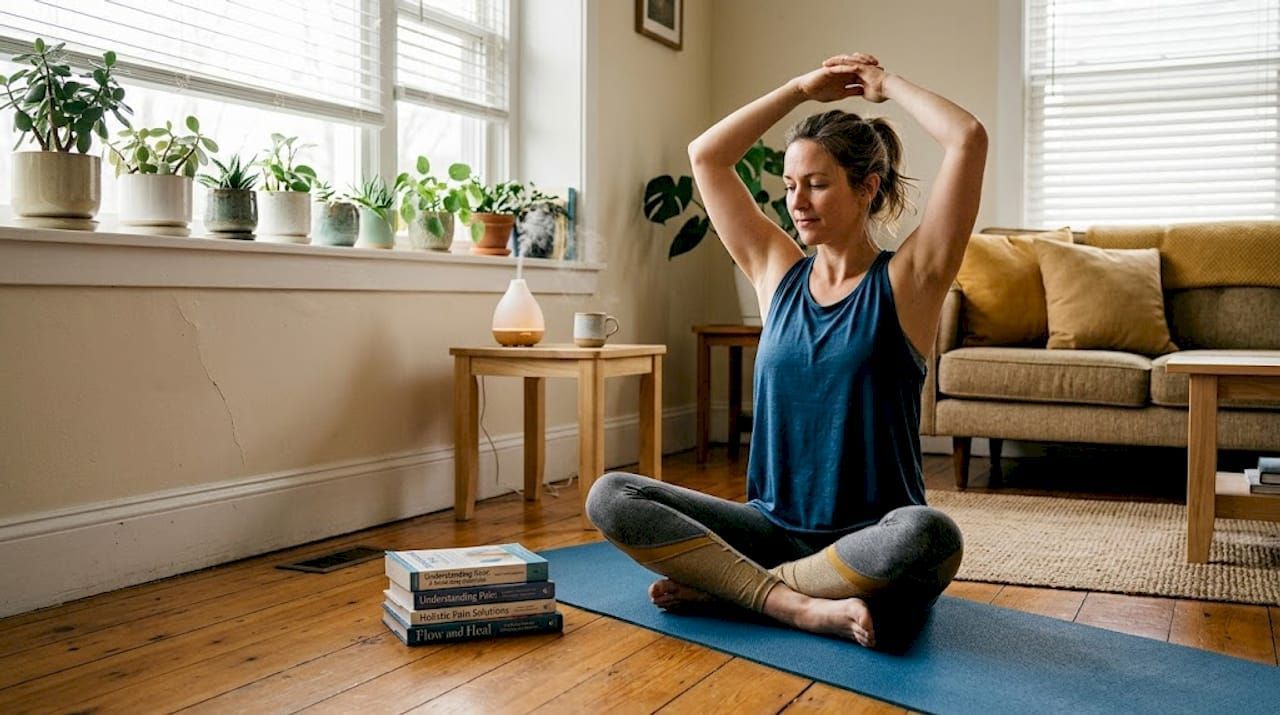
Graded exercise is particularly important for breaking what researchers call the pain-inactivity cycle. Pain causes people to move less. Moving less causes muscles to weaken and joints to stiffen. That stiffness creates more pain. The cycle feeds itself. Gentle, progressive movement, whether walking, swimming, or yoga, interrupts this loop.
Here is a simple sequence to start:
- Begin with five to ten minutes of gentle movement daily, even stretching counts.
- Add one anti-inflammatory food to each meal this week.
- Practice four to seven minutes of slow breathing before sleep.
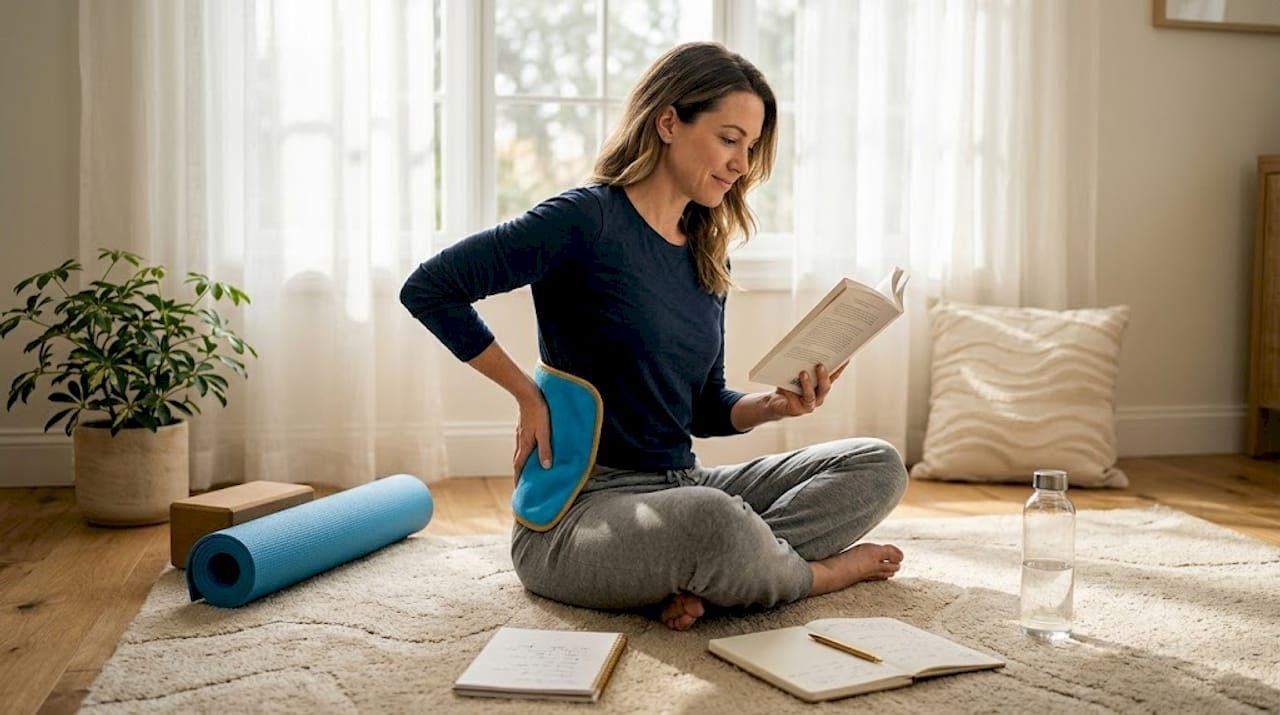
- Track your pain level each morning on a simple 1 to 10 scale.
- Review your notes after two weeks and adjust based on what you notice.
Practices like tai chi and yoga have been shown to improve physical function at levels comparable to conventional exercise, making them excellent options for people who find high-impact movement too painful to start with. Our holistic pain management guide covers these options in more depth.
Pro Tip: If you're new to mindfulness, start with body scan meditations. They are specifically designed to shift your relationship with physical sensations, including pain, without requiring you to ignore or suppress what you feel. The mind body connection is one of the most underutilized tools in pain management.
Empirical evidence: What studies and local experts reveal
With the mechanisms explained, let's look at the real-world impact these adjustments can achieve.
Randomized controlled trials (RCTs) are the gold standard in medical research. And the data on lifestyle-based pain interventions is encouraging. Mindfulness interventions show up to 30% improvement in physical function among chronic pain patients. That is not a small number. For someone who has been struggling to walk comfortably or sleep through the night, a 30% improvement can be life-changing.
A large real-world study on telehealth mindfulness programs found modest to moderate pain reductions across diverse patient populations, including veterans with complex, long-standing pain conditions. This matters because it shows these results are not limited to ideal lab conditions. They translate to real people with real lives.
"The most consistent finding across studies is that no single intervention outperforms a well-designed combination of lifestyle strategies. Synergy is not a buzzword here. It is a measurable outcome."
Key benchmarks to track your own progress:
- A 30% reduction in self-reported pain intensity after 8 to 12 weeks is a realistic and meaningful target.
- Improved sleep duration or quality often appears within the first two to four weeks of dietary and mindfulness changes.
- Functional improvements, like walking farther or climbing stairs with less difficulty, typically follow within six to ten weeks of graded exercise.
- Mood and energy shifts can appear even faster, sometimes within days of consistent sleep and diet changes.
The comprehensive wellness approach used by holistic practitioners in Northern Nevada reflects this research. Rather than chasing one fix, they help clients layer strategies and monitor results over time. Our holistic wellness tips offer a practical starting point for anyone ready to begin tracking their progress.
The takeaway from the research is clear. Mixed modality approaches, meaning combining diet, movement, sleep, and mindfulness, consistently outperform single-strategy plans. The NCCIH studies reinforce this repeatedly.
Practical steps: Integrating lifestyle changes in Carson City and Reno
Ready to apply these findings? Here's how you can start making sustainable changes in your own life.
The biggest mistake people make is trying to overhaul everything at once. That approach leads to burnout within two weeks. Instead, build one habit at a time, let it stabilize, then add the next. This is how lasting change actually works.
Here is a four-week starter plan:
- Week one: Focus on sleep. Set a consistent bedtime, reduce screen exposure 60 minutes before bed, and aim for seven to nine hours.
- Week two: Add one anti-inflammatory meal per day. Think salmon, walnuts, berries, olive oil, and dark leafy greens.
- Week three: Introduce ten minutes of gentle movement each morning. Walking, stretching, or a beginner yoga video all count.
- Week four: Add five minutes of mindfulness or breathwork before bed. Apps like Insight Timer make this easy to start.
Local support makes a real difference. Carson City and Reno have holistic clinics, wellness coaches, and group fitness options that can help you stay accountable and personalize your plan. Natural pain management solutions are available locally, and working with a professional who understands your specific history accelerates results significantly.
Avoid the trap of over-relying on quick fixes. Supplements, gadgets, and even advanced therapies work best when your foundational habits are already in place. Think of lifestyle adjustments as the soil. Everything else grows better when the soil is healthy.
Pro Tip: Use a simple notebook or phone app to log your pain level, sleep hours, and mood each day. After 30 days, patterns will emerge that help you and your wellness provider make smarter adjustments. Holistic healing for chronic pain works best when it is guided by real data, not guesswork. Sustainable lifestyle changes integrated with local functional wellness support give you the best foundation for lasting results. The NCCIH practical advice echoes this approach consistently.
Our take: Holistic wellness is local, layered, and personal
Here is a perspective you will not find in most wellness guides. The wellness industry loves to sell certainty. Take this supplement. Follow this protocol. Do this one thing and feel better. But chronic pain does not respond to certainty. It responds to patience, consistency, and honest self-observation.
In our experience working with clients in Northern Nevada, the people who see the most lasting improvement are not the ones who make the biggest changes fastest. They are the ones who make small, steady adjustments and actually stick with them. They also tend to have support, whether from a practitioner, a coach, or a community.
Age and complexity matter too. Older adults or those with multiple overlapping conditions often need a more carefully layered approach. Jumping straight to intense exercise or dramatic dietary shifts can backfire. The holistic vs conventional pain relief conversation is not about choosing sides. It is about building a plan that fits your body, your history, and your life. Continual monitoring and willingness to adjust are the real keys to success.
Connect with expert holistic wellness solutions
Ready for expert guidance? Explore local options that can help you accelerate your wellness journey.
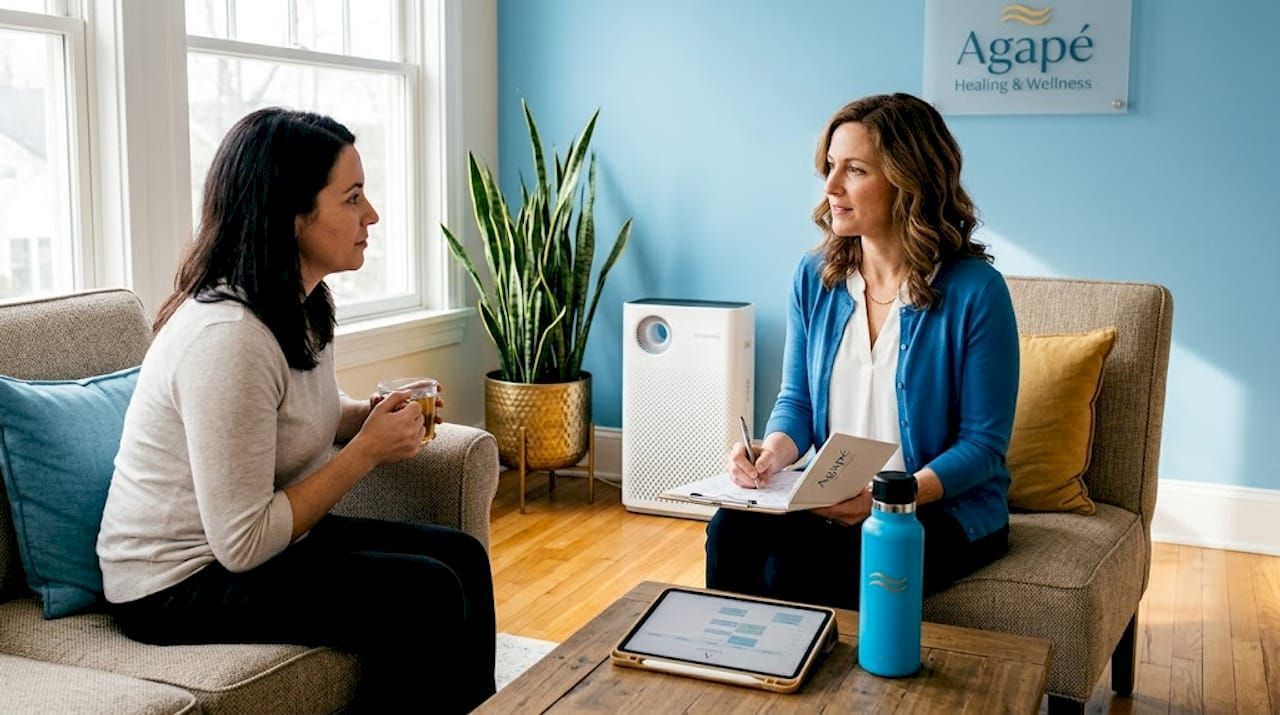
At Agapé Healing & Wellness in Carson City, we specialize in helping people like you build on the lifestyle foundation you are creating. Our therapies are designed to amplify what your daily habits already do.
Red light therapy supports cellular repair and reduces inflammation at a biological level, making it a natural complement to dietary and sleep improvements. Our wellness coaching in Carson City helps you build a personalized plan that fits your schedule, your pain profile, and your goals. And our full range of holistic healing solutions means you never have to navigate this alone. Reach out today to take the next step.
Frequently asked questions
Can lifestyle adjustments fully replace medication for chronic pain?
Lifestyle changes are a powerful adjunct, but combined approaches are optimal. Most experts, including those at the NCCIH, recommend integrating lifestyle strategies with appropriate medical care rather than replacing it entirely.
How quickly can I expect improvement from lifestyle changes?
Modest improvements in mood and sleep often appear within weeks. Meaningful pain and function gains are typically visible after two to three months of consistent effort, with mindfulness-based programs showing up to 30% function improvement in clinical trials.
Are there risks to making major lifestyle changes suddenly?
Rapid, dramatic changes often lead to burnout or physical setbacks. Sustainable, gradual adjustments monitored with self-reporting and expert guidance are far more effective and safer over time.
Which lifestyle adjustment has the biggest impact?
Mindfulness practices often produce the largest individual pain reductions, up to 50% in some studies. However, mixed modality approaches combining diet, sleep, exercise, and mindfulness consistently deliver the best overall results.
Recommended