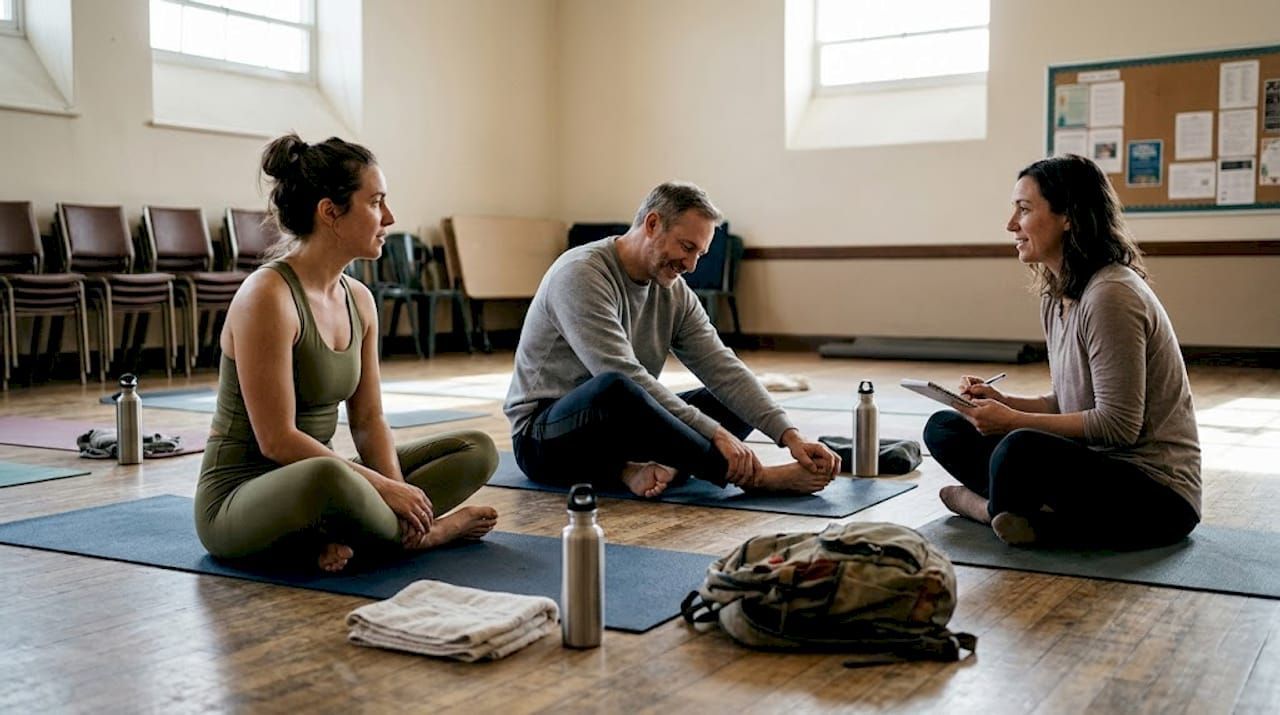
Top non-pharmaceutical pain relief benefits in 2026
TL;DR:
- Non-pharmaceutical therapies like acupuncture, yoga, and mindfulness effectively manage chronic pain with fewer risks.
- Holistic approaches address root causes and improve long-term function better than medications alone.
- Wellness coaching enhances behavior change, medication adherence, and reduces reliance on opioids.
Prescription medications have long been treated as the default answer for chronic pain, but that assumption is shifting fast. Millions of Americans are discovering that therapies like acupuncture, red light therapy, yoga, and wellness coaching deliver real, lasting relief without the side effects or dependency risks tied to drugs. If you've been managing pain with pills alone, or if you're simply curious whether there's a better path, this guide breaks down the evidence, compares your options, and shows you exactly how non-pharmaceutical approaches can work for your life.
Table of Contents
- Understanding non-pharmaceutical approaches to pain relief
- Comparing non-pharmaceutical therapies: What works best?
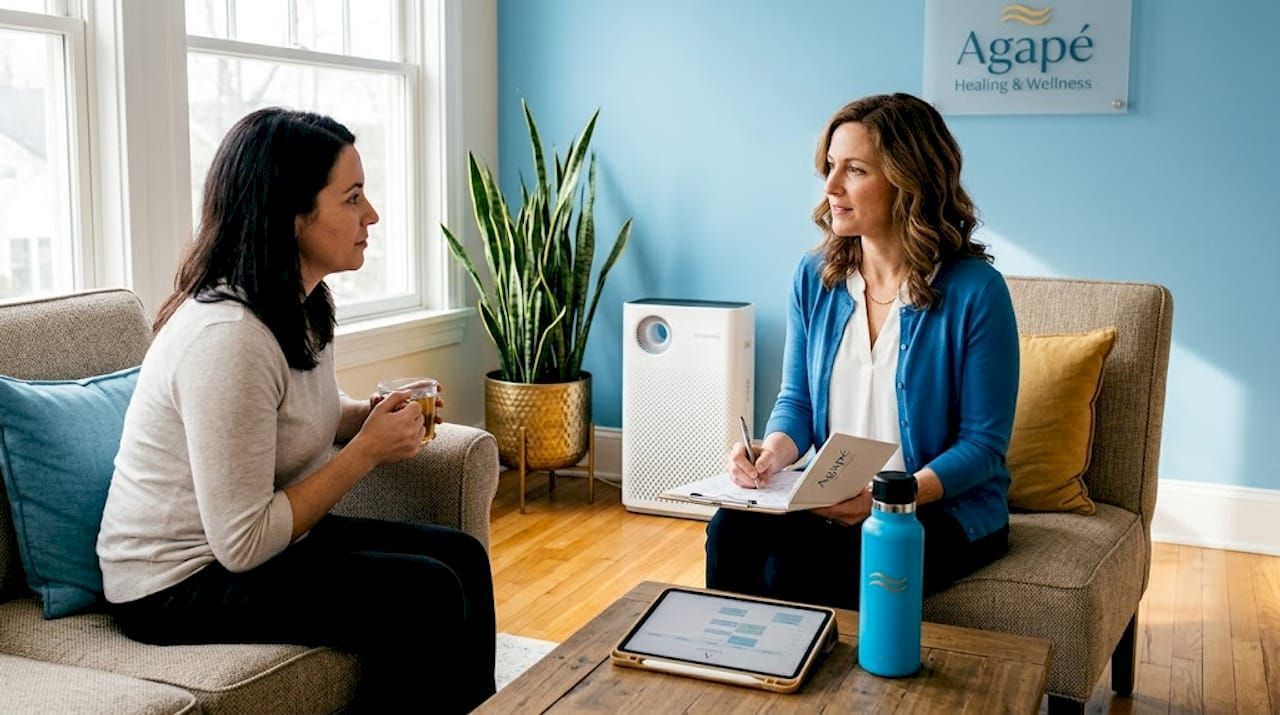
- The role of holistic health and wellness coaching
- Special considerations: Opioid reduction and challenging cases
- What most guides miss about non-pharmaceutical pain relief
- Explore alternative therapies and coaching in Carson City
- Frequently asked questions
Key Takeaways
| Point | Details |
|---|---|
| Multiple options work | Non-pharmaceutical therapies like acupuncture, yoga, massage, and coaching all show evidence-based benefits for pain relief. |
| Often safer than drugs | Guidelines now recommend starting with non-pharmaceutical approaches due to fewer side effects compared to medications. |
| Coaching boosts success | Wellness coaching helps you stick with healthy habits and manage stress, leading to better health outcomes. |
| Opioid use can decrease | Multidisciplinary therapies help reduce opioid dependence and improve overall function in high-risk patients. |
Understanding non-pharmaceutical approaches to pain relief
Non-pharmaceutical approaches are any pain management strategies that don't rely on prescription or over-the-counter drugs. That covers a wide range of therapies, from ancient practices to modern technology. The goal is always the same: reduce pain, restore function, and improve quality of life without the risks that come with long-term medication use.
These approaches fall into a few broad categories:
- Physical therapies: Massage, manual therapy, physical therapy, chiropractic care, and exercise-based programs
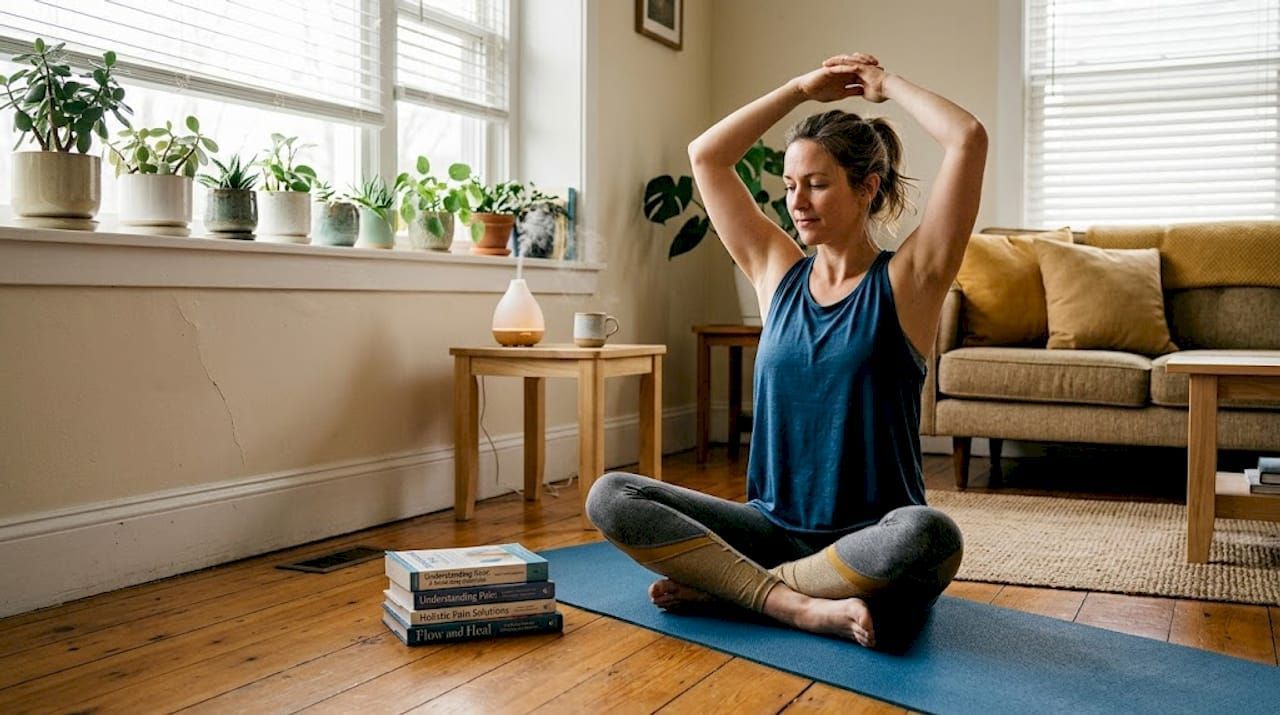
- Mind-body practices: Yoga, tai chi, mindfulness meditation, and cognitive-behavioral therapy (CBT)
- Energy and technology-based therapies: Red light therapy, Terahertz Wand treatments, Cellsonic Therapy, and biofeedback
- Acupuncture and traditional medicine: Needle-based and manual techniques rooted in Eastern medicine
- Lifestyle coaching: Guided changes to diet, movement, sleep, and stress management
For years, the medical default was to reach for a prescription pad first. That's changing. Major health organizations now recommend starting with non-pharmaceutical strategies, especially for chronic pain conditions. Non-pharmacological interventions such as acupuncture, exercise, yoga, tai chi, massage, mindfulness, and psychological therapies reduce pain intensity and improve function in chronic pain conditions.
"The shift toward integrative care isn't a fringe movement. It's a response to decades of evidence showing that drugs alone rarely fix the underlying problem."
The contrast with pharmaceutical treatment is important to understand. Medications often target symptoms, not causes. They can also create new problems: dependency, tolerance, gastrointestinal issues, and cognitive side effects. Non-pharmaceutical therapies, on the other hand, tend to address the root causes of pain, whether that's inflammation, muscle imbalance, nervous system dysregulation, or lifestyle factors.
If you want a broader look at how these strategies fit together, our holistic pain management guide walks through the full picture. For a direct comparison of approaches, see our breakdown of holistic vs conventional medicine for pain relief.
Comparing non-pharmaceutical therapies: What works best?
Not all non-pharmaceutical therapies are equal, and what works best depends on your specific condition, lifestyle, and goals. Here's a practical look at how the leading options compare.
| Therapy | Best for | Evidence level | Side effects |
|---|---|---|---|
| Acupuncture | Back pain, migraines, arthritis | Strong | Minimal |
| Tuina/manual therapy | Low back pain, joint stiffness | Strong | Minimal |
| Physical therapy | Post-injury, mobility issues | Strong | Minimal |
| Yoga/tai chi | Chronic pain, stress, flexibility | Moderate to strong | Very low |
| Mindfulness/CBT | Pain catastrophizing, anxiety | Strong | None |
| Red light therapy | Inflammation, cellular repair | Growing | None |
| Wellness coaching | Long-term behavior change | Strong | None |
One finding that surprises many people: Tuina manual therapy provides comparable pain relief, function improvement, and quality of life gains to physical therapy in chronic nonspecific low back pain, with 91.9% patient satisfaction. That's a remarkable number for any therapy.
Across the board, non-pharmacological therapies are prioritized in clinical guidelines due to fewer side effects compared to medications. This isn't just about safety. It's about outcomes. Many patients report better long-term function and mood improvement with holistic therapies than with drug-only treatment plans.
Pro Tip: Don't wait until medications stop working to explore non-pharmaceutical options. Starting early often produces better long-term results because you're addressing the root cause before it becomes harder to treat.
The key takeaway here is that no single therapy wins for every person. Acupuncture may be a breakthrough for one person's migraines while mindfulness transforms another person's relationship with chronic back pain. The research on natural vs pharmaceutical chronic pain management consistently shows that combining approaches outperforms any single treatment. For a deeper look at specific options, our guide to non-invasive pain relief therapies is a useful next step.
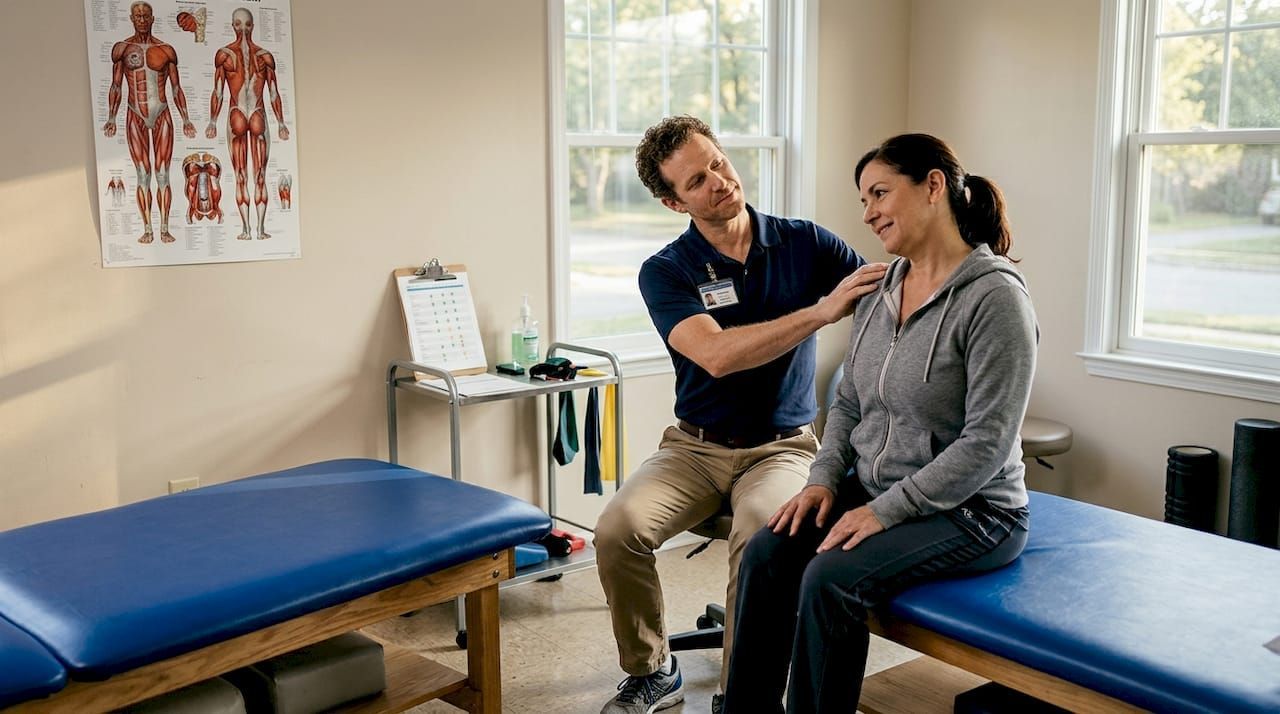
The role of holistic health and wellness coaching
Therapies like acupuncture and red light therapy address your body in the moment. Wellness coaching addresses the patterns that keep pain coming back. It's a different kind of intervention, and it's one of the most underutilized tools available to people managing chronic conditions.
Coaching works by helping you build sustainable habits around movement, nutrition, sleep, and stress. A good coach doesn't just tell you what to do. They help you figure out why you're not doing it and build a realistic plan that fits your actual life. Health and wellness coaching improves chronic care management, medication adherence, and patient-centered outcomes across many conditions, based on a review of over 100 randomized controlled trials.
Here's what coaching typically helps with:
- Accountability: Regular check-ins keep you moving forward when motivation drops
- Personalized planning: No generic advice. Plans are built around your health history and goals
- Behavior change: Coaches use evidence-informed techniques to shift habits that drive inflammation and pain
- Condition management: Chronic pain, diabetes, hypertension, and other conditions all respond well to coached lifestyle interventions
| Coaching benefit | Impact |
|---|---|
| Medication adherence | Significantly improved |
| Physical activity levels | Increased consistently |
| Pain self-management | Stronger long-term outcomes |
| Quality of life scores | Measurably higher |
For residents in Carson City and Reno, working with a local coach means you get someone who understands your environment, your schedule, and your community. That local context matters more than most people realize. A coach who knows the area can recommend walking trails, local fitness options, and community resources that a remote program simply can't offer.
Pro Tip: Look for coaches with recognized certifications such as NBC-HWC (National Board for Health and Wellness Coaching). Certification signals that your coach has met evidence-based training standards, not just completed an online course.
Our overview of the wellness coaching process explains what to expect from your first session onward. If you want to see how coaching fits into a bigger wellness picture, the comprehensive wellness approach page lays it out clearly.
Special considerations: Opioid reduction and challenging cases
For people who have been on opioids long-term, or who are at high risk for dependency, non-pharmaceutical therapies aren't just a nice option. They're often a medical priority. This is one of the most important and underreported benefits of integrative care.
Multidisciplinary nonpharmacological approaches are recommended for opioid-tolerant patients to reduce opioid use and manage pain more effectively. These programs typically combine several therapies working together:
- Physical therapy (PT): Rebuilds strength, mobility, and body mechanics
- Occupational therapy (OT): Teaches you how to move through daily life with less pain
- Cognitive-behavioral therapy (CBT): Addresses the mental and emotional dimensions of chronic pain
- Mindfulness and biofeedback: Trains your nervous system to respond differently to pain signals
- Wellness coaching: Sustains the lifestyle changes that support all of the above
The goal isn't necessarily zero pain. That's an unrealistic target for many people with complex chronic conditions. The real goal is less dependence, better function, and a higher quality of life. Non-pharmaceutical interventions are especially effective as opioid-sparing strategies, reducing risks like dependence and tolerance over time.
"The Mayo Clinic's multidisciplinary rehab model uses psychology, OT, PT, and biofeedback together to retrain the nervous system, reduce medications, and restore function in chronic pain patients."
For Carson City and Reno residents dealing with these more complex situations, local access to integrative providers matters. You don't need to travel to a major medical center to access this kind of care. Local clinics offering a combination of hands-on therapies, coaching, and advanced technology can deliver meaningful results. Our resource on holistic therapies for opioids covers this topic in more detail.
What most guides miss about non-pharmaceutical pain relief
Most articles on this topic obsess over pain scores. Did your pain go from a 7 to a 4? That's useful data, but it misses the bigger picture entirely. The real measure of success in holistic pain management is how well you're living, not just how much you're hurting.
We've seen this pattern repeatedly with clients in Carson City and Reno: the people who get the most out of non-pharmaceutical care are the ones who stop chasing a pain number and start rebuilding their lives. They sleep better. Their relationships improve. They move more. That's what the research on holistic pain relief insights consistently supports.
The other thing most guides skip is this: no single therapy is a magic fix. The breakthroughs come when you blend approaches, a little red light therapy here, some mindfulness there, consistent coaching underneath it all. Practitioners who understand this integration are worth far more than those who specialize in only one technique. Long-term change beats short-term relief every time.
Explore alternative therapies and coaching in Carson City
If what you've read here resonates, the next step is finding the right support to put it into practice. At Agapé Healing & Wellness, we combine advanced therapies with personalized coaching to create a plan that fits your specific needs.
Our offerings include red light therapy in Carson City, Cellsonic Therapy, Terahertz Wand treatments, detox foot baths, and wellness coaching in Carson City tailored to chronic pain, lifestyle change, and long-term vitality. Every session at Agapé Healing & Wellness is designed around your goals, not a one-size-fits-all protocol. Whether you're just starting to explore alternatives or you're ready to reduce your reliance on medications, we're here to help you take that next step with confidence.
Frequently asked questions
What are the most effective non-pharmaceutical treatments for chronic pain?
Acupuncture, exercise, yoga, mindfulness, massage, and cognitive-behavioral therapy consistently show benefits for chronic pain. Non-pharmacological interventions reduce pain and improve function across a wide range of chronic conditions.
Do non-drug therapies really work as well as medications?
For chronic pain, non-pharmaceutical therapies often produce similar or better outcomes with far fewer side effects. Clinical guidelines now prioritize non-pharmaceutical treatments based on both safety and comparable effectiveness.
Is wellness coaching really effective for managing chronic illness?
Yes. Wellness coaching supports meaningful behavior change, better adherence, and improved outcomes. Health and wellness coaching improves chronic care management and patient outcomes across conditions like diabetes, hypertension, and chronic pain.
Can non-pharmaceutical therapies reduce my need for opioids?
Yes, and this is one of their most important benefits. Multidisciplinary nonpharmacological approaches are specifically recommended for opioid-tolerant patients to decrease opioid use while improving overall function and quality of life.
Recommended