Master your wellness coaching workflow for chronic pain
Chronic pain disrupts daily life for countless individuals in northern Nevada, leaving many frustrated with treatments that address symptoms without tackling root causes. Traditional approaches often overlook the mind, body, spirit connection essential for lasting relief. Understanding a structured wellness coaching process holistic health success empowers you to navigate personalized, non-invasive therapies that restore balance and vitality. This guide breaks down the complete workflow, from initial assessment through long-term maintenance, so you can confidently pursue holistic healing tailored to your unique needs.
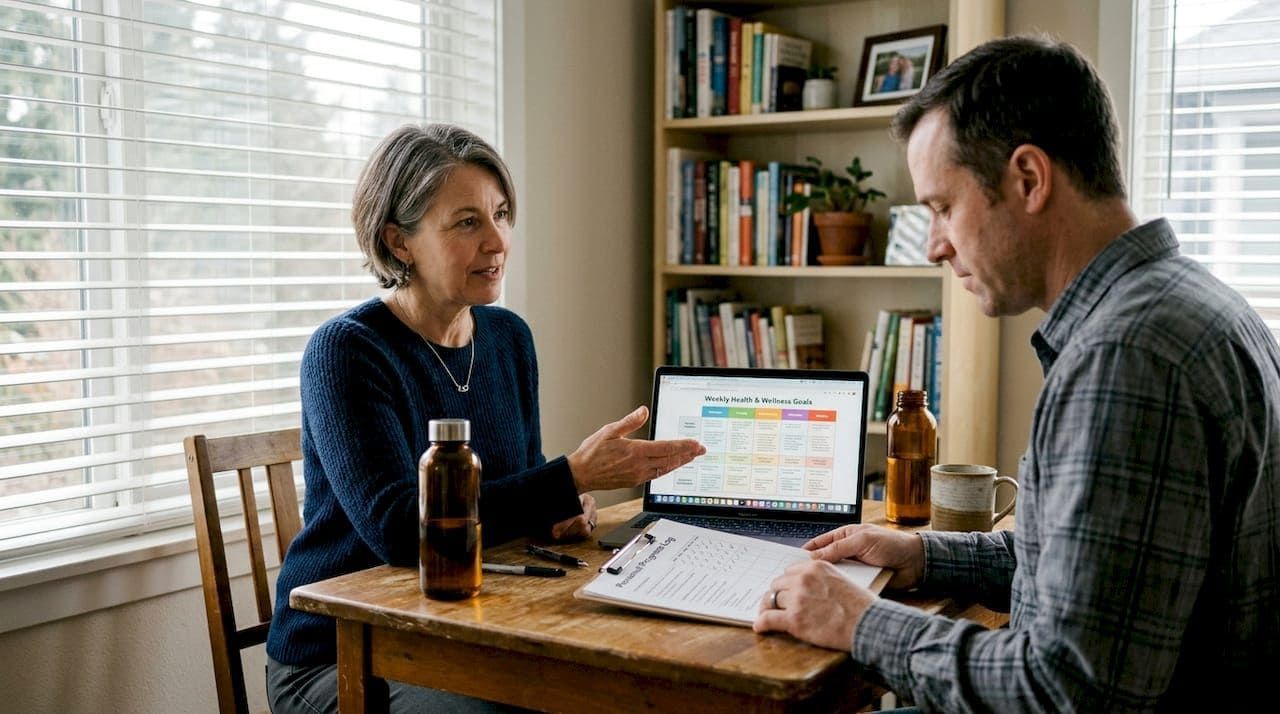
Table of Contents
Key Takeaways
| Point | Details |
|---|---|
| Structured workflow | A well designed wellness coaching workflow guides assessment, goal setting, pacing, and ongoing sessions to produce sustainable chronic pain improvements. |
| Motivational interviewing | The intake and planning use motivational interviewing to assess readiness, resolve ambivalence, and build intrinsic motivation for change. |
| Pacing strategies | Pacing strategies balance activity with rest from day one to avoid flare ups and steadily build capacity. |
| Regular sessions | Regular coaching sessions lasting 30 to 45 minutes, typically six to nine visits, support skill practice and long term adherence. |
| Holistic assessment | Holistic assessment considers physical symptoms mental state sleep nutrition relationships and past trauma to tailor a comprehensive plan. |
Understanding your wellness coaching workflow: preparation and assessment
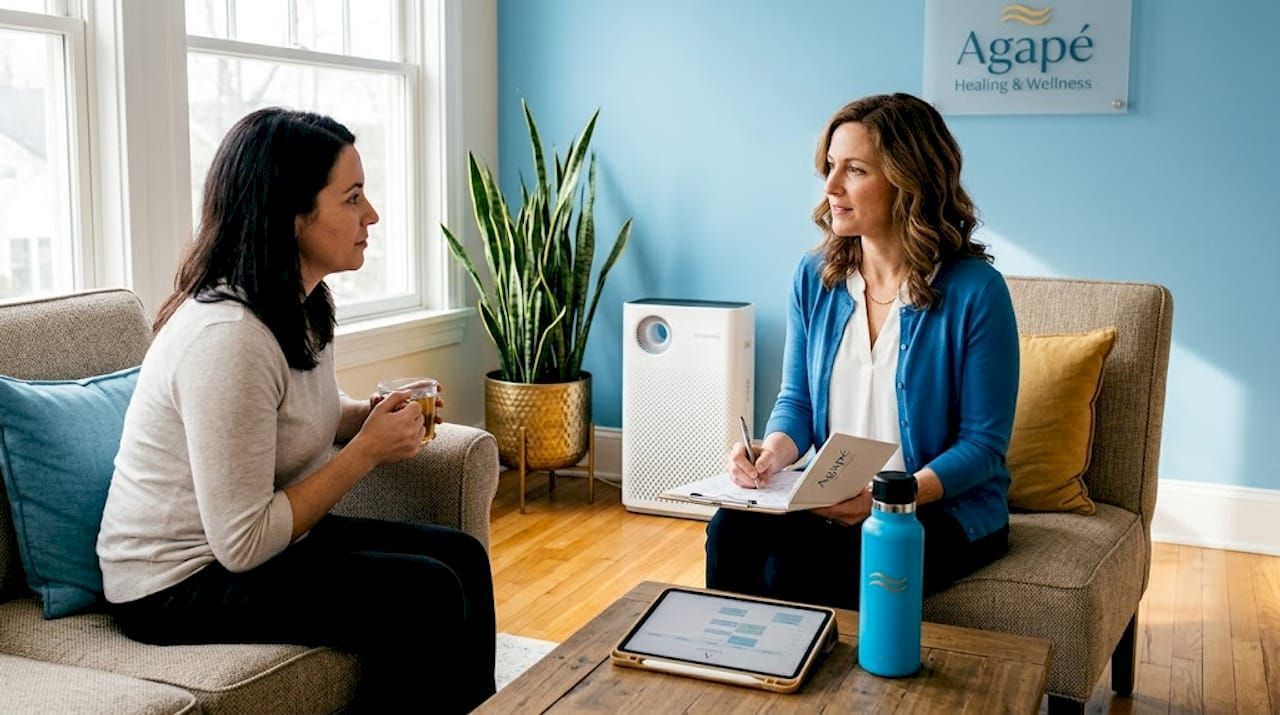
The wellness coaching process holistic health success begins with a thorough preparation and assessment phase that sets the foundation for your entire healing journey. Your coach conducts an initial evaluation to identify your specific pain patterns, lifestyle factors, emotional challenges, and health goals. This discovery phase uses principles of motivational interviewing for health coaching to explore your readiness for change, uncover any ambivalence about new approaches, and build intrinsic motivation.
During these early conversations, you and your coach create a personalized roadmap that considers your physical symptoms, mental state, and spiritual well-being. This holistic perspective recognizes that chronic pain rarely exists in isolation. Stress, sleep quality, nutrition, relationships, and past trauma all influence your experience. Your coach helps you articulate SMART goals that are specific, measurable, achievable, relevant, and time-bound. These targets might include reducing pain intensity by a certain percentage, improving sleep duration, or resuming activities you've avoided.
Pacing strategies become central to your plan from day one. Many chronic pain sufferers fall into boom-bust cycles, pushing hard on good days only to crash afterward. Your coach teaches you to balance activity with rest, gradually building capacity without triggering flare-ups. This measured approach protects your nervous system while fostering resilience.
Key elements your coach addresses in the preparation phase include:
- Current pain levels, triggers, and patterns throughout your day
- Medical history, previous treatments, and what has or hasn't worked
- Lifestyle factors like diet, exercise, sleep, and stress management
- Emotional well-being, including anxiety, depression, or trauma history
- Support systems, resources, and barriers to implementing changes
- Personal values and what gives your life meaning beyond pain management
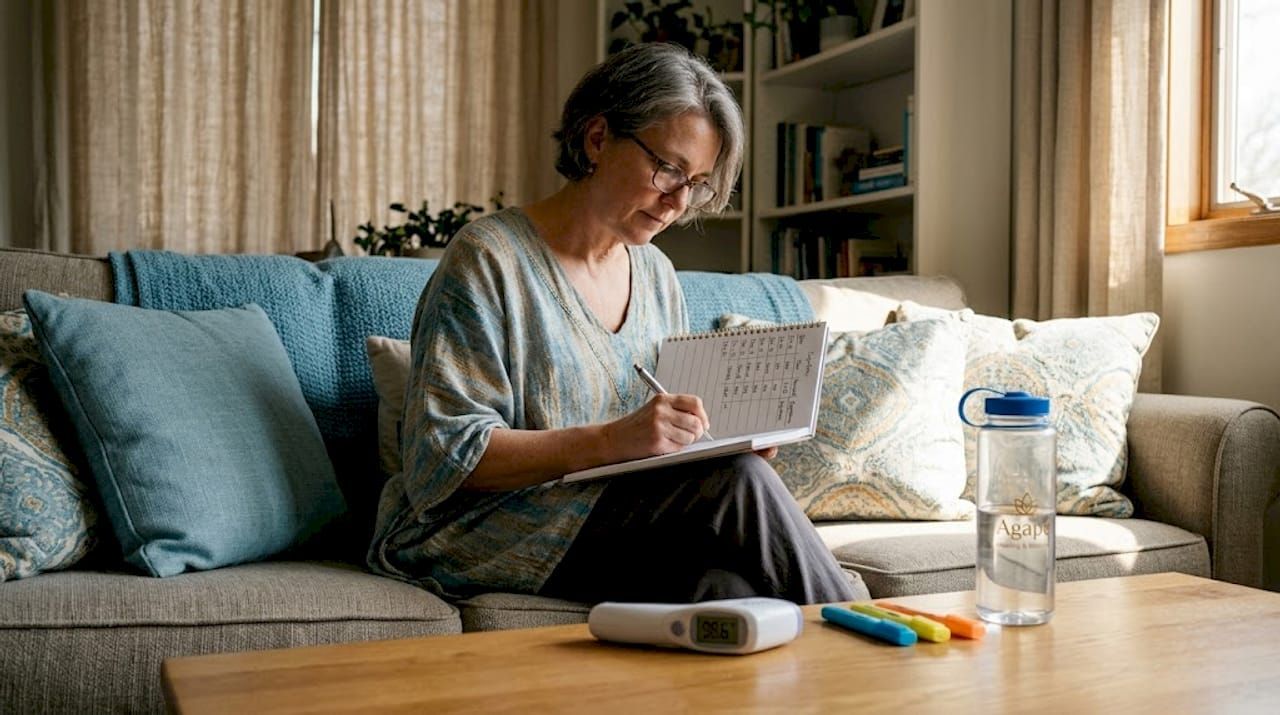
Pro Tip: Keep a pain journal for one week before your first coaching session. Track pain intensity, activities, emotions, sleep, and diet. This data helps your coach spot patterns you might miss and creates a baseline for measuring progress.
This assessment phase builds trust and establishes realistic expectations. You learn what is wellness coaching truly means in practice: a collaborative partnership where you drive the agenda while your coach provides expertise, accountability, and support. The process honors your autonomy, recognizing that sustainable change comes from within, not from external pressure.
Executing the coaching sessions: techniques for building momentum
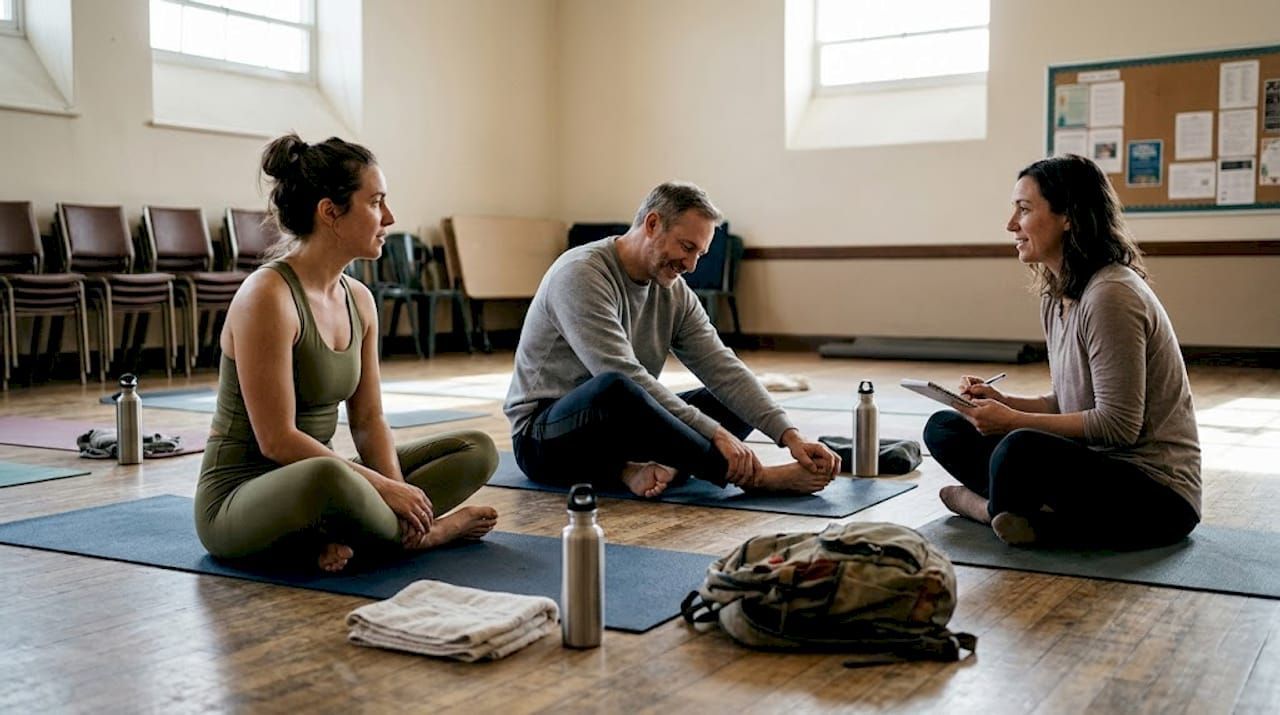
Once your personalized roadmap is established, regular coaching sessions form the heart of your wellness journey. Most programs schedule sessions lasting 30 to 45 minutes, with six to nine total sessions proving common for chronic pain management. This frequency allows enough time between meetings to practice new skills while maintaining momentum and accountability.
Your coach employs motivational interviewing throughout these sessions, using a technique called OARS: open-ended questions, affirmations, reflective listening, and summaries. Open questions invite you to explore your experiences deeply rather than offering yes or no answers. Affirmations recognize your strengths and efforts, building confidence. Reflective listening ensures your coach truly understands your perspective, while summaries tie together insights from each conversation.
The wellness coaching science chronic pain approach integrates holistic, non-invasive therapies including pacing to avoid boom-bust cycles, nervous system regulation, mindfulness, somatic practices, and pain reprocessing. These methodologies work synergistically to rewire your pain response and restore balance.
A typical session sequence might follow these steps:
- Check-in: Review progress since last session, celebrate wins, identify challenges
- Exploration: Use motivational interviewing to deepen understanding of barriers or ambivalence
- Skill building: Introduce or refine techniques like mindfulness, pacing, or somatic awareness
- Action planning: Set specific, achievable goals for the coming week or two
- Reflection: Summarize key insights and reinforce your commitment to change
Mindfulness practices help you observe pain without judgment, reducing the emotional suffering that amplifies physical discomfort. Your coach might guide you through body scans, breath awareness, or present-moment anchoring exercises. These tools calm your nervous system, shifting you out of fight-or-flight mode that perpetuates pain.
Pacing strategies evolve as you gain experience. You learn to recognize early warning signs of overexertion and adjust activities before triggering a flare-up. This might mean breaking tasks into smaller chunks, alternating between different types of activities, or scheduling regular rest periods. Over time, you build stamina and confidence.
Non-invasive techniques your coach may integrate include:
- Safe and Sound Protocol nervous system regulation through auditory stimulation
- Somatic experiencing to release trauma stored in the body
- Pain reprocessing therapy that retrains your brain's pain signals
- Emotional freedom technique tapping for stress and emotional regulation
- Guided imagery and visualization for relaxation and healing
Pro Tip: Practice your new skills during low-pain days to build proficiency. When pain spikes, you'll have well-rehearsed tools ready instead of scrambling to remember techniques under stress.
Your coach tracks your progress using various metrics, adjusting the plan as needed. Some weeks you'll make significant strides; others might feel stagnant or even regressive. This variability is normal with chronic conditions. Your coach helps you maintain perspective, recognizing that healing rarely follows a straight line.
The best non invasive therapies chronic pain relief often complement coaching sessions. Therapies like CellSonic or Red Light treatments address cellular-level inflammation and repair, while coaching tackles the behavioral, emotional, and lifestyle factors that influence your pain experience. This combination creates powerful synergy.
Understanding the mind body connection importance transforms how you relate to pain. Rather than viewing your body as broken or betraying you, you recognize pain as a complex signal influenced by thoughts, emotions, and nervous system states. This perspective opens new pathways for healing beyond purely physical interventions.
Your coach also addresses the biopsychosocial dimensions of chronic pain, recognizing that biological factors, psychological states, and social contexts all contribute to your experience. Sessions might explore how isolation affects pain, how beliefs about your condition influence outcomes, or how workplace stress triggers physical symptoms. This comprehensive view ensures holistic chronic pain management rather than fragmented treatment.
| Technique | Purpose | Frequency | Expected Outcome |
|---|---|---|---|
| Motivational interviewing | Build intrinsic motivation | Every session | Increased readiness for change |
| Mindfulness practice | Regulate nervous system | Daily, 10-20 min | Reduced pain catastrophizing |
| Pacing strategies | Prevent boom-bust cycles | Ongoing | Sustained activity without flare-ups |
| Somatic awareness | Process stored trauma | 2-3 times weekly | Decreased muscle tension |
| Goal review | Track progress | Each session | Enhanced self-efficacy |
Between sessions, you implement agreed-upon action steps. Your coach might assign homework like practicing a specific breathing technique, tracking pain triggers, or experimenting with a dietary change. These assignments keep you engaged and accelerate progress. You return to each session with real-world data about what works for your unique situation.

Verifying progress and closing: review, relapse prevention, and long-term success
As your coaching program progresses, regular review sessions become crucial for verifying results and adjusting your approach. Your coach compares current pain levels, functional capacity, and quality of life metrics against your baseline assessment. This objective data reveals patterns and progress that might otherwise go unnoticed amid day-to-day fluctuations.
Relapse prevention planning prepares you for inevitable setbacks. Chronic pain rarely disappears completely, and stress, illness, or life changes can trigger temporary increases. Your coach helps you identify personal warning signs and develop coping strategies to deploy when pain intensifies. This might include a crisis toolkit of your most effective techniques, a list of supportive contacts, or a stepped care plan outlining when to seek additional help.
The impact of nurse-led health coaching demonstrates that frequent sessions boost self-efficacy and adherence, while the biopsychosocial model and referral protocols prove essential for complex cases. Your coach monitors for signs that additional support might benefit you, such as severe depression, suicidal thoughts, or medical complications requiring physician intervention.
Comparing traditional biomedical approaches with holistic mind-body methods highlights the sustained benefits of coaching:
| Approach | Focus | Timeframe | Sustainability |
|---|---|---|---|
| Biomedical only | Symptom suppression | Short-term relief | Often requires ongoing medication |
| Mind-body coaching | Root cause resolution | Gradual, lasting change | Skills remain after coaching ends |
| Integrated model | Both symptoms and causes | Balanced timeline | Optimal long-term outcomes |
Your coach establishes clear referral protocols for situations beyond coaching scope. If you exhibit signs of clinical depression requiring medication, experience worsening medical symptoms, or face high-risk emotional crises, your coach connects you with appropriate professionals. This safety net ensures you receive comprehensive care.
Long-term monitoring typically extends three to six months after formal coaching concludes. You might schedule monthly check-ins to maintain accountability and troubleshoot challenges. These touchpoints help you sustain gains and catch potential relapses early. Many clients find that even brief periodic contact keeps them on track.
Key elements of successful closure include:
- Celebrating progress and acknowledging your hard work
- Reviewing all skills and techniques you've mastered
- Creating a written maintenance plan for ongoing self-care
- Identifying resources and supports for continued growth
- Establishing criteria for when to seek additional coaching or other help
The comprehensive wellness approach you've developed becomes a lifelong asset. You've learned to listen to your body, respond skillfully to pain signals, regulate your nervous system, and make choices aligned with your values and wellbeing. These capabilities extend far beyond pain management, enhancing every aspect of your life.
Your coach helps you recognize how far you've come, even if you haven't achieved every initial goal. Chronic pain management is a journey, not a destination. Reducing pain intensity by 30 percent, sleeping an extra hour nightly, or resuming a cherished hobby represents significant success worth celebrating.
Some clients transition from active coaching to maintenance mode, while others graduate completely, confident in their self-management abilities. Your coach respects your autonomy in this decision, offering continued support if desired while affirming your capacity to thrive independently. The alternative healing methods guide chronic pain you've internalized becomes your personal roadmap.
Discover holistic wellness coaching in northern Nevada
If you're ready to experience the transformative power of personalized wellness coaching, Agapé Healing & Wellness in Carson City offers comprehensive programs designed specifically for chronic pain management and holistic health improvement. Our experienced coaches guide you through every phase of the workflow outlined above, tailoring each session to your unique needs and goals.
We integrate holistic health wellness coaching with cutting-edge non-invasive therapies to accelerate your healing. CellSonic therapy pain relief uses acoustic waves to stimulate cellular repair and reduce inflammation at the source, while red light therapy rlt enhances mitochondrial function and promotes tissue regeneration. These therapies complement your coaching sessions, addressing both the physical and psychosocial dimensions of chronic pain. Our team understands the challenges you face and provides the expertise, compassion, and accountability needed to reclaim your vitality and wellbeing.
FAQ
What is the typical length of a wellness coaching program for chronic pain?
Most wellness coaching programs for chronic pain span six to nine sessions over three to six months, with each session lasting 30 to 45 minutes. This timeframe allows adequate practice between sessions while maintaining momentum. Consistent engagement improves outcomes by building self-efficacy and reinforcing new habits.
How does pacing help in managing chronic pain during coaching?
Pacing prevents boom-bust cycles by teaching you to balance activity with rest, gradually building capacity without triggering flare-ups. You learn to recognize early warning signs of overexertion and adjust before pain intensifies. This measured approach protects your nervous system while fostering long-term resilience and functional improvement.
Can wellness coaching be integrated with traditional medical treatments?
Yes, wellness coaching complements traditional medical care by addressing lifestyle, emotional, and behavioral factors that influence chronic pain. Coaches collaborate with your healthcare providers and establish referral protocols for situations requiring medical intervention. This integrated approach delivers more comprehensive support than either method alone.
What non-invasive therapies are commonly used alongside wellness coaching?
Common non-invasive therapies include Safe and Sound Protocol for nervous system regulation, mindfulness meditation, somatic experiencing, pain reprocessing therapy, and energy healing modalities like Reiki. These techniques support neuroplastic changes, emotional regulation, and trauma release. Your coach helps you select and practice methods that resonate with your preferences and needs.
Recommended