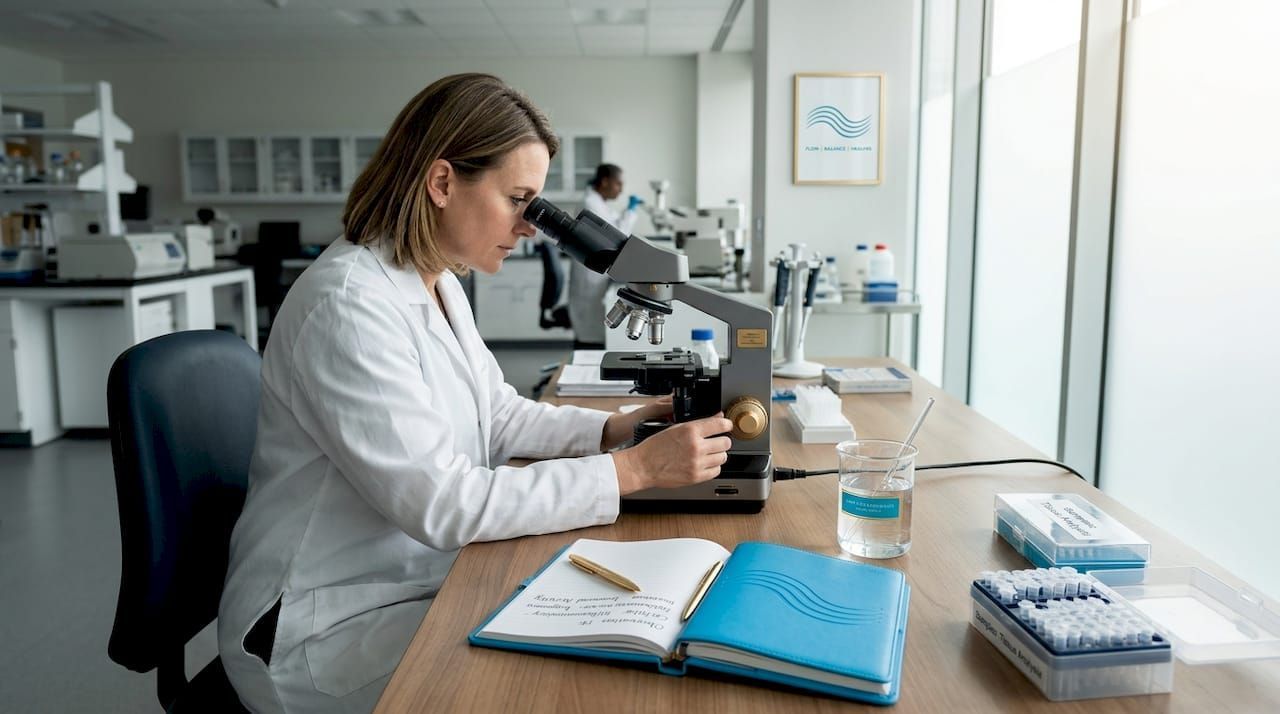
How Cellular Repair Drives Healing and Pain Relief Naturally
If you've been living with chronic pain or inflammation, you've probably heard that medication or surgery are your only real options. That's not true. Modern science reveals that cellular repair is pivotal in healing but often fails in chronic conditions due to immune dysregulation. Non-invasive therapies like photobiomodulation and pulsed electromagnetic field therapy target your cells' energy centers to restore natural repair without drugs or surgery. This article explains the science behind cellular repair, why it stalls in chronic pain, and practical steps you can take to support lasting healing.

Table of Contents
- What is cellular repair and why does it matter?
- Why chronic pain and inflammation disrupt cellular repair
- How therapies like PBM and PEMF restore cellular repair non-invasively
- Practical steps to support cellular repair and lasting healing
- Local solutions: Non-invasive healing therapies in Carson City and Reno
- Frequently asked questions
Key Takeaways
| Point | Details |
|---|---|
| Cellular repair essentials | Your body's ability to repair cells is at the heart of fast, lasting pain relief and recovery. |
| Chronic inflammation blocks healing | When inflammation persists, normal cellular repair is halted, leading to non-healing and ongoing pain. |
| Science-backed non-invasive therapies | Therapies like PBM and PEMF safely activate repair pathways, reducing pain and speeding recovery. |
| Lifestyle and professional guidance | Combining healthy habits with expert therapy gives you the best chance at real, lasting healing. |
| Local options available | Evidence-based, non-invasive healing therapies are accessible in the Carson City/Reno region. |
What is cellular repair and why does it matter?
Cellular repair is how your body restores tissue structure and function after injury or stress. When you cut your finger or strain a muscle, specific cell types spring into action. Fibroblasts build new collagen and tissue. Keratinocytes repair skin. Endothelial cells restore blood vessels. Immune cells fight infection and clear debris. These cells communicate through cytokines and growth factors, migrate to damaged areas, and rebuild what was lost.
Wound healing has four phases, all dependent on effective cellular repair mechanisms. The table below summarizes each phase:
| Phase | What Happens | Key Cells Involved |
|---|---|---|
| Hemostasis | Blood clotting stops bleeding | Platelets, clotting factors |
| Inflammation | Immune response clears debris, fights infection | Neutrophils, macrophages |
| Proliferation | New tissue forms, blood vessels regrow | Fibroblasts, endothelial cells, keratinocytes |
| Remodeling | Tissue strengthens, scar tissue matures | Fibroblasts, collagen cross-linking |
When cellular repair works properly, you heal quickly and completely. But in chronic pain and inflammation, this process breaks down. Understanding why requires a closer look at what goes wrong at the cellular level. That's where non-invasive therapies and holistic pain management become essential tools.
Pro Tip: Think of cellular repair like a construction crew. If the crew gets stuck arguing instead of building, your project never finishes. That's chronic inflammation.
Why chronic pain and inflammation disrupt cellular repair
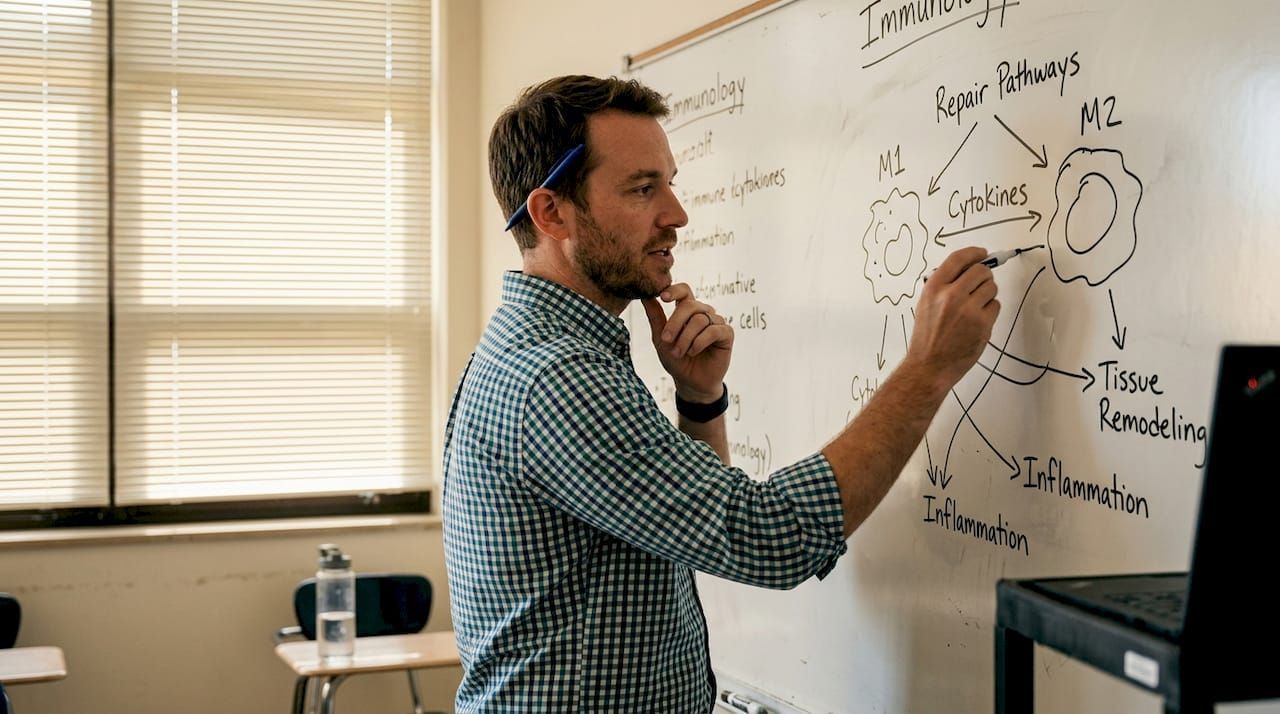
Chronic pain signals a failure to resolve inflammation. Your body gets stuck in the early phases of healing and can't progress to true repair. Persistent inflammation from dysregulated immune cells and pro-inflammatory cytokines impairs cellular repair and results in non-healing states.
Here's what happens at the cellular level. In normal healing, M1 macrophages arrive first to clear infection and debris, then switch to M2 macrophages that promote tissue rebuilding. In chronic conditions, excessive M1 macrophages and pro-inflammatory cytokines stall the transition to healing. Neutrophils keep flooding the area. Cytokines like IL-1β and TNF-α remain elevated. Instead of repairing tissue, your body degrades it.
The comparison below shows how normal repair differs from impaired repair:
| Aspect | Normal Repair | Impaired Repair (Chronic) |
|---|---|---|
| Inflammation duration | 2-5 days | Weeks to months |
| Macrophage type | M1 → M2 transition | Stuck in M1 phase |
| Cytokine profile | Balanced, resolves quickly | Elevated IL-1β, TNF-α persist |
| Tissue outcome | Complete healing | Non-healing wounds, ongoing pain |
| Pain level | Decreases steadily | Persists or worsens |
Symptoms to watch for include:
- Wounds that don't heal within expected timeframes
- Persistent swelling or redness around injury sites
- Ongoing pain that doesn't respond to rest
- Recurring flare-ups in the same area
- Tissue that feels warm or tender for weeks
One expert summarizes the problem this way:
"Ongoing inflammation degrades tissue instead of repairing it. The body's natural healing cascade gets hijacked by immune dysregulation, leaving patients in a cycle of pain and non-healing."
Breaking this cycle requires addressing the root cause. Changing your lifestyle, improving nutrition and pain healing, and exploring holistic detox methods all play important roles. But science-backed therapies that directly target cellular function offer the most direct path to restoring repair.
How therapies like PBM and PEMF restore cellular repair non-invasively
Knowing what goes wrong, the next step is understanding how non-invasive science-backed approaches can jump-start cellular repair. Two therapies stand out for their evidence base: photobiomodulation and pulsed electromagnetic field therapy.
Photobiomodulation (PBM) stimulates mitochondria, increases ATP, reduces inflammation, and accelerates repair. Red or near-infrared light penetrates tissue and energizes the power plants of your cells. More ATP means cells have the fuel to rebuild. PBM also lowers pro-inflammatory cytokines like IL-1β and TNF-α while boosting anti-inflammatory signals.
PEMF activates nitric oxide cascade, boosts blood flow, reduces pain and inflammation, and accelerates healing. Electromagnetic pulses trigger the release of nitric oxide, which dilates blood vessels and improves oxygen delivery. Better circulation means more nutrients reach damaged tissue and waste products clear faster.
Key benefits of both therapies include:
- Increased cellular energy production (ATP)
- Reduced inflammation markers (IL-1β, TNF-α)
- Stronger tissue rebuilding and collagen formation
- Improved blood flow and oxygen delivery
- Enhanced immune cell function and debris clearance
Clinical outcomes are impressive. RCTs show PBM reduces chronic pain by 23-45% and healing time by 25%, while PEMF reduces pain by 36%. These aren't marginal improvements. They represent meaningful relief for people who've struggled for months or years.
Statistic: Patients using PBM therapy experienced up to 45% less pain and 25% faster healing in randomized controlled trials.
But proper protocol matters. Dose-dependent response means low stimulates while high may inhibit repair. This is called the Arndt-Schulz law. Too little light or electromagnetic energy won't trigger cellular changes. Too much can actually slow healing. That's why working with experienced providers who understand dosing, timing, and assessment is critical.
Pro Tip: For chronic wounds, resolving inflammation with wound bed preparation and the TIME framework (Tissue management, Inflammation control, Moisture balance, Edge advancement) is crucial before starting PBM or PEMF. These therapies work best when the cellular environment is ready to respond.
If you're exploring options, PBM and PEMF therapy examples show real-world applications. Wellness technology advances continue to improve outcomes, and understanding holistic vs conventional treatments helps you make informed choices.
Practical steps to support cellular repair and lasting healing
The science makes therapies sound promising, but how can you actually put these ideas into action for your own healing journey? Here are concrete strategies you can start today.
First, find a local clinic in Carson City or Reno with experience in PBM, PEMF, and holistic care. Ask about their protocols, equipment specifications, and how they assess progress. A good provider will customize treatment based on your specific condition, not offer one-size-fits-all sessions.
Second, combine professional therapy with lifestyle support. For best results, therapies should be combined with lifestyle changes, proper wound preparation, and local expert guidance. No therapy works in isolation. Your daily habits either support or undermine cellular repair.
Here's what you can start today:
- Hydrate properly. Cells need water to function. Aim for half your body weight in ounces daily.
- Eat anti-inflammatory foods. Focus on omega-3 fatty acids, colorful vegetables, and quality protein.
- Move gently. Light activity improves circulation without stressing damaged tissue.
- Manage stress. Chronic stress elevates cortisol, which impairs immune function and slows healing.
- Sleep 7-9 hours. Most cellular repair happens during deep sleep stages.
- Avoid smoking and excess alcohol. Both constrict blood vessels and reduce oxygen delivery.
Pro Tip: Avoid overusing anti-inflammatories like NSAIDs in the chronic phase. They may actually slow true healing by suppressing the signals your body needs to transition from inflammation to repair.
Empowerment comes from asking the right questions. Before starting any therapy, ask about protocol specifics: What dosing will you use? How often should I come? How will you measure progress? What should I expect in the first two weeks? A provider who can't answer these questions clearly may not have the expertise you need.
The mind-body connection also plays a significant role in healing. Chronic pain changes how your nervous system processes signals. Addressing both physical and mental aspects improves outcomes. Exploring natural pain solutions gives you more tools to work with.
Remember, cellular repair is a process, not an event. You didn't develop chronic pain overnight, and you won't resolve it overnight. But with the right combination of evidence-based therapies, lifestyle support, and expert guidance, you can restore your body's natural healing capacity and reclaim pain-free living.
Local solutions: Non-invasive healing therapies in Carson City and Reno
If you're in Carson City or Reno, advanced therapy options like PBM, PEMF, and frequency-based healing are available locally. You don't have to travel to major cities or settle for conventional approaches that haven't worked. Modern non-invasive therapies bring cutting-edge science to your community.
Consider asking about evidence-based red light therapy for personalized pain relief and faster healing. Red light penetrates deep into tissue to energize cells and reduce inflammation. It's painless, requires no downtime, and works alongside other treatments you may already be using.
CellSonic therapy offers another powerful option. This frequency-based approach uses acoustic waves to stimulate cellular repair at the source of pain. Many patients notice improvements within weeks, especially when combined with proper lifestyle support.
For lasting change, holistic wellness coaching helps you address the root causes of chronic pain and inflammation. Coaching covers nutrition, movement, stress management, and daily habits that either support or undermine healing. When you combine professional therapies with personalized lifestyle guidance, you create the optimal environment for cellular repair to succeed.
Ready for next steps? Local clinics offer the latest non-invasive solutions to support your cellular repair and overall well-being. The science is clear, the technology is proven, and the expertise is available right here in northern Nevada.
Frequently asked questions
What is the difference between acute and chronic inflammation in healing?
Acute inflammation starts the healing process and resolves within days, while chronic inflammation blocks normal repair, causing persistent pain and non-healing wounds.
How soon can you expect results from PBM or PEMF therapies?
Clinical studies show noticeable pain reduction and healing improvements within 2-4 weeks of regular sessions, with some patients experiencing relief even sooner.
Can you use PBM and PEMF alongside medications or other treatments?
Yes, these therapies are non-invasive and often complement existing treatments, but coordinate with your provider to ensure safety and optimize results.
What should you look for in a clinic offering cellular repair therapies?
Choose providers with experience, up-to-date technology, and protocols personalized to your condition, especially those offering holistic approaches alongside advanced therapies.
Are there risks or side effects with cellular repair therapies?
PBM and PEMF have strong safety profiles, but excessive dosing can slow healing, so proper protocols and experienced providers matter for best outcomes.
Recommended